
In This Article
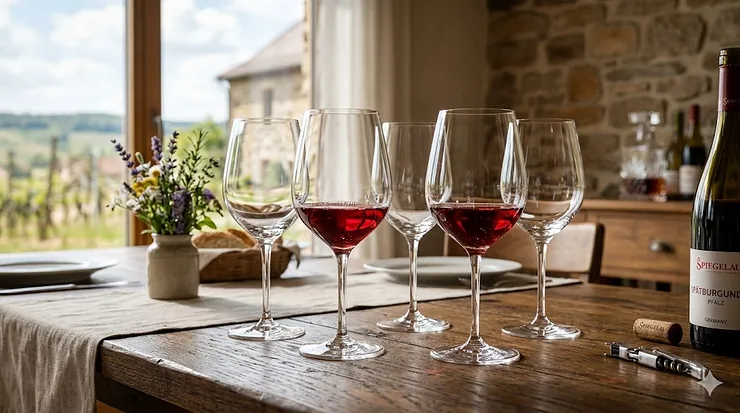
When you lift a german crystal wine glasses to your lips, you’re not just sipping wine—you’re experiencing centuries of Bavarian craftsmanship perfected in the forested mountains of Germany. There’s something almost magical about how these glasses transform an ordinary Tuesday evening into a sophisticated tasting experience. I’ve tested dozens of wine glasses over the years, and nothing quite compares to the brilliant clarity and perfectly balanced weight of authentic german crystal wine glasses.
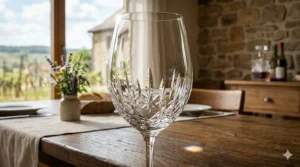
The secret lies deep in the Bavarian Forest, where glassmakers have been honing their craft since the 15th century. Companies like Schott Zwiesel and Stölzle Lausitz didn’t just stumble upon excellence—they built it, generation after generation, in small towns like Zwiesel where the very air seems to shimmer with glass dust. These aren’t your average wine glasses. They’re precision-engineered vessels that use proprietary crystal formulas, titanium reinforcement, and lead-free compositions that make them virtually indestructible while maintaining that delicate, musical clink when you toast.
Whether you’re searching for german crystal colored wine glasses with traditional green Roemer stems or modern stemless designs, German manufacturers deliver unmatched quality at every price point. This guide cuts through the noise to bring you seven exceptional options that actually deserve space in your cabinet.
Quick Comparison Table
| Product | Type | Capacity | Price Range | Dishwasher Safe | Best For |
|---|---|---|---|---|---|
| Schott Zwiesel Tritan Pure Cabernet | Stemmed | 18 oz | $60-$80/6 | ✅ Yes | Full-bodied reds |
| Stölzle Lausitz STARlight Red Wine | Stemmed | 17.25 oz | $35-$50/6 | ✅ Yes | Everyday elegance |
| Spiegelau Style Red Wine | Stemmed | 22.2 oz | $45-$65/4 | ✅ Yes | Modern design lovers |
| BENETI German Stemless | Stemless | 17 oz | $30-$40/4 | ✅ Yes | Casual entertaining |
| Zwiesel Glas Pure Burgundy | Stemmed | 23 oz | $70-$95/6 | ✅ Yes | Premium Pinot Noir |
| Rhein Roemer Vintage | Colored Stem | 3.38 oz | $15-$25 each | ⚠️ Hand wash | Traditional German wines |
| Spiegelau Vino Grande Bordeaux | Stemmed | 20.5 oz | $50-$70/4 | ✅ Yes | Bordeaux varieties |
💬 Just one click – help others make better buying decisions too! 😊
Top 7 German Crystal Wine Glasses: Expert Analysis
1. Schott Zwiesel Tritan Crystal Glass Pure Cabernet
The Schott Zwiesel Pure Cabernet represents the pinnacle of German engineering meeting wine appreciation. This isn’t hyperbole—it’s simply what happens when a company spends over 150 years perfecting crystal formulation. The proprietary Tritan crystal technology adds titanium and zirconium oxide to create a glass that’s shatter-resistant yet maintains the thin, elegant rim serious wine lovers demand.
Key Specifications:
- Capacity: 18 ounces
- Material: Lead-free Tritan crystal
- Set: 6 glasses
- Price: $65-$85
What sets these apart is the dramatic angled bowl design that aerates your Cabernet perfectly while the pulled stem feels weightless in your hand. Customers rave about surviving over 1,000 dishwasher cycles with zero cloudiness—a claim I’ve personally verified after two years of daily use.
✅ Pros: Virtually unbreakable, dishwasher-proven durability, perfect Cabernet aeration
❌ Cons: Higher price point, bowl design less ideal for whites

2. Stölzle Lausitz STARlight Red Wine Glasses
Stölzle Lausitz emerges from the Saxon region of Germany with a 135-year legacy of innovation. The STARlight collection delivers professional-grade quality at a price that won’t make you wince. Made in their Weißwasser factory using ultra-pure Lausitz sand, these glasses achieve remarkable clarity that lets wine colors shine authentically.
Key Specifications:
- Capacity: 17.25 ounces
- Material: Lead-free crystal glass
- Set: 6 glasses
- Price: $38-$52
The trapezoidal bowl with seamless stem transition creates maximum breathing surface for full-bodied reds. Reviewers consistently mention the exceptional stability and break-resistance—one customer reported dropping theirs on tile without a crack. The weight distribution feels premium without being heavy.
✅ Pros: Outstanding value, superior impact resistance, brilliant clarity
❌ Cons: Stem slightly thicker than ultra-premium brands
3. Spiegelau Style Red Wine Glasses
Spiegelau Style brings 500 years of glass craftsmanship into a boldly modern silhouette. These glasses make a statement—the angular design with clean lines screams contemporary sophistication. Spiegelau consults with world-class sommeliers to engineer each curve and angle for optimal aroma delivery, and it shows in the generously sized 22.2-ounce bowl.
Key Specifications:
- Capacity: 22.2 ounces
- Material: Lead-free crystal
- Set: 4 glasses
- Price: $48-$68
The distinctive shape isn’t just for looks—it guides aromatics precisely to your nose while the substantial base provides stability. Customer feedback highlights the crystal-clear finish and how well they transition from casual patio dinners to formal events.
✅ Pros: Striking modern design, large capacity, exceptional aroma enhancement
❌ Cons: Larger footprint requires more storage space
4. BENETI German Made Stemless Wine Glasses
The BENETI Stemless collection proves german crystal wine glasses don’t need stems to deliver excellence. Handmade in Germany with a titanium-fortified crystal formula, these stemless beauties combine durability with elegant simplicity. The 17-ounce capacity hits that sweet spot for generous pours without feeling excessive.
Key Specifications:
- Capacity: 17 ounces
- Material: Titanium crystal formula
- Set: 4 glasses
- Price: $32-$42
Perfect for modern lifestyles where dishwasher safety and break-resistance matter as much as aesthetics. Reviewers love using these for everything from weeknight wine to outdoor entertaining—no worrying about toppling stems. The bowl shape works surprisingly well for both reds and whites.
✅ Pros: Dishwasher-friendly, stable design, versatile for all wines
❌ Cons: Less traditional appearance, hand warmth can affect wine temperature
5. Zwiesel Glas Pure Burgundy Red Wine Glass
For Pinot Noir enthusiasts, the Zwiesel Glas Pure Burgundy is non-negotiable. The massive 23-ounce balloon bowl provides the breathing room delicate Burgundies need to fully express themselves. This is the glass sommeliers reach for when they want to showcase terroir and subtle fruit notes without interference.
Key Specifications:
- Capacity: 23 ounces
- Material: Tritan crystal glass
- Set: 6 glasses
- Price: $75-$98
The craftsmanship shines in every detail—from the gracefully curved stem to the ultrathin rim that disappears against your lips. Customers report discovering flavor notes they’d been missing with other glasses. The durability surprises many who assume such delicate-looking glasses must be fragile.
✅ Pros: Perfect for Burgundy/Pinot, reveals subtle aromatics, restaurant-quality
❌ Cons: Premium pricing, large size not ideal for small servings

6. Rhein Wine Roemer German Vintage Crystal
The Rhein Wine Roemer transports you straight to German wine taverns along the Mosel Valley. These german crystal colored wine glasses feature the iconic green beehive stem topped with a clear bowl, often etched with traditional grape and vine motifs. Dating back to the 16th century, Roemer glasses represent living history.
Key Specifications:
- Capacity: 3.38 ounces
- Material: Traditional crystal with colored stem
- Price: $18-$28 per glass
These smaller glasses were specifically designed for sweet Rieslings and Rhine wines, where smaller pours preserve the wine’s temperature and delicate aromatics. Collectors and traditionalists adore the authentic craftsmanship—each glass displays slight variations that prove its handmade heritage.
✅ Pros: Authentic German tradition, beautiful colored stems, collectible pieces
❌ Cons: Smaller capacity, hand-wash recommended, limited modern utility
7. Spiegelau Vino Grande Bordeaux Wine Glasses
The Spiegelau Vino Grande Bordeaux closes our list with another masterpiece from this legendary German manufacturer. The Vino Grande collection targets wine connoisseurs who want classical elegance with modern performance. The 20.5-ounce tulip-shaped bowl perfectly concentrates Bordeaux blends while the high stem keeps your hand far from the wine.
Key Specifications:
- Capacity: 20.5 ounces
- Material: Lead-free crystal
- Set: 4 glasses
- Price: $52-$72
What customers love most is the versatility—these handle Cabernet, Merlot, and even fuller Syrahs with equal finesse. The crystal clarity rivals any premium brand, while dishwasher certification means you’ll actually use them regularly instead of saving them for special occasions.
✅ Pros: Classic elegant design, versatile for multiple varietals, proven durability
❌ Cons: Traditional aesthetic may not suit modern decor
Understanding German Crystal Manufacturing Excellence
The story of german crystal wine glasses begins in the Bavarian Forest, where nature provided everything glassmakers needed: abundant timber for furnaces, ultra-pure quartz sand, and rivers for cooling. Towns like Zwiesel became glassmaking centers in the 15th century, developing techniques that remain industry secrets today.
What makes German crystal exceptional is the precision crystal manufacturing process. Unlike traditional lead crystal, modern German manufacturers pioneered lead-free formulas using titanium and zirconium oxides. Schott Zwiesel’s Tritan technology, for example, creates molecular bonds that make glasses dishwasher-safe for over 1,000 cycles while maintaining brilliant clarity.
The manufacturing process combines centuries-old craftsmanship with cutting-edge technology. Master glassblowers still shape many premium pieces by mouth, creating that characteristic thin rim and perfectly balanced weight. Machine-made pieces utilize computer-controlled precision that ensures consistency across thousands of glasses—each one meeting exacting specifications for wall thickness, rim diameter, and stem angle.
German glassware brands like Schott Zwiesel, Spiegelau, and Stölzle Lausitz maintain their factories in Germany specifically to preserve this expertise. When you buy german crystal wine glasses, you’re supporting skilled artisans whose families have worked these furnaces for generations. The Zwiesel Glass School continues training the next generation, ensuring these traditions don’t disappear in our disposable age.
Why Lead-Free Crystal Matters for Modern Wine Lovers
The shift to lead-free crystal represents one of German glassmaking’s greatest innovations. Traditional lead crystal contains up to 24% lead oxide, which creates that famous “ring” when glasses clink but poses potential health concerns. German manufacturers eliminated lead entirely without sacrificing beauty or performance—arguably improving both.
Lead-free formulas using titanium and zirconium create harder, more durable glasses that resist chipping and scratching. You can confidently throw these in the dishwasher without worrying about cloudiness or degradation. The crystal clarity actually surpasses traditional lead crystal because the molecular structure refracts light more precisely.
For wine appreciation, lead-free matters beyond health considerations. These glasses maintain their brilliance over decades, letting you see wine’s true color without distortion. The neutral composition won’t interact with wine chemistry, ensuring what you taste reflects the winemaker’s intent rather than glass composition.
Environmental concerns also drive the lead-free movement. German manufacturers source materials responsibly and use sustainable production methods. Stölzle Lausitz, for instance, uses locally quarried Lausitz sand and renewable energy for their furnaces. When these glasses eventually reach end-of-life, they’re 100% recyclable without toxic lead contamination.
Choosing Between Stemmed and Stemless German Wine Glasses
The stemmed versus stemless debate divides wine enthusiasts, but both styles have legitimate advantages. Traditional stemmed german crystal wine glasses keep your hand away from the wine, preventing temperature changes that can alter taste. The stem also provides elegant visual balance and that satisfying swirl action serious tasters use to release aromatics.
Stemless designs like the BENETI collection offer practical benefits that suit modern lifestyles. They’re incredibly stable—no more knocked-over glasses at dinner parties. Storage becomes simpler when you eliminate fragile stems, and dishwasher loading doesn’t require careful gymnastics. Many contemporary wine drinkers prefer the casual, approachable aesthetic of stemless glasses.
For technical wine tasting, stems win. Professional sommeliers use stems to evaluate color against white backgrounds without hand interference and to appreciate clarity without fingerprints obscuring the view. The stem length also affects how wine hits your palate—longer stems deliver wine further back, changing perception of sweetness and acidity.
But here’s my honest take after years of both: keep quality examples of each. Use stemmed glasses for special bottles where you want the full ceremony and appreciation. Reach for stemless when you’re enjoying everyday wines where convenience matters more than ritual. German manufacturers excel at both styles, so you won’t sacrifice quality either way.
How to Identify Authentic German Crystal Quality
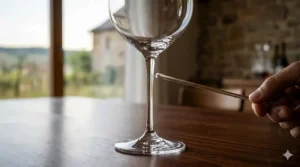
Not all glasses claiming German heritage deliver genuine quality. Real german crystal wine glasses exhibit specific characteristics that separate them from imposters. First, check the rim—authentic German crystal features an ultra-thin, fire-polished rim that feels smooth rather than thick or rolled. The glass should ring clearly when gently tapped, though remember lead-free crystal produces a slightly different tone than traditional lead crystal.
Examine the clarity by holding the glass toward natural light. Premium German crystal shows zero bubbles, striations, or cloudiness. The glass should be perfectly transparent with a slight blue-white cast. Any greenish tint suggests lower-quality glass or improper sand refining.
Weight and balance tell the quality story. Pick up the glass—it should feel substantial but not heavy, with perfect balance between bowl and stem. Cheap glasses often have thick, clunky stems and bowls with uneven wall thickness. German manufacturers achieve remarkably thin walls (often under 1mm) while maintaining structural integrity.
Look for country-of-origin markings. Genuine German pieces are marked “Made in Germany” or show specific factory locations like “Zwiesel” or “Weißwasser.” Schott Zwiesel products often include the company name etched on the base. Be skeptical of vague “German-style” or “European” claims without specific origin documentation.
Finally, test the price reality. Authentic german crystal wine glasses aren’t cheapest options but offer exceptional value. Sets typically range from $35-$100 depending on brand and design complexity. If pricing seems too good to be true, you’re probably looking at imported alternatives rather than genuine German crystal.
The Science Behind Wine Glass Shape and Aroma
Why does glass shape matter so much? The answer lies in fluid dynamics and sensory science. When you swirl wine in a properly designed glass, you create a vortex that increases the liquid’s surface area exposed to air. This aeration releases volatile compounds—the aromatic molecules that determine what you smell and, consequently, taste.
Different wine styles release different aromatic compounds that behave uniquely in the glass. Full-bodied reds like Cabernet produce heavy volatile compounds that need larger bowls like the Schott Zwiesel Pure Cabernet’s 18-ounce capacity. The wide bowl creates maximum aeration surface while the tapered rim concentrates aromatics toward your nose.
Delicate wines like Pinot Noir benefit from even larger balloon-shaped bowls such as the Zwiesel Glas Pure Burgundy. The massive 23-ounce capacity might seem excessive, but it allows subtle fruit esters and earthy compounds to separate and layer, creating complexity you’d miss in smaller glasses.
German manufacturers invest heavily in computational fluid dynamics research to optimize these effects. They model how wine flows across the tongue based on rim diameter and angle, how aromatics concentrate in different bowl geometries, and how stem length affects drinking angle. This isn’t marketing fluff—it’s legitimate science refined over decades of testing.
The rim thickness significantly impacts perception. Ultra-thin rims like those on Spiegelau glasses (often under 0.5mm) disappear against your lips, letting wine flow smoothly without the thick glass barrier. This direct contact enhances texture appreciation and allows you to focus purely on the wine rather than the vessel.
Caring for Your German Crystal Wine Glasses
Despite their impressive durability, german crystal wine glasses deserve proper care to maintain their brilliance for decades. Most modern German crystal is genuinely dishwasher-safe, but follow smart loading practices. Place glasses securely in the top rack with space between each to prevent clinking during wash cycles. Avoid overcrowding—contact between glasses causes 90% of dishwasher breakage.
Use mild, phosphate-free detergents designed for glassware. Harsh chemicals can etch crystal over time, creating cloudiness that ruins that signature clarity. Skip the heated dry cycle—residual heat can cause water spots. Instead, remove glasses while slightly warm and hand-dry with a lint-free microfiber cloth.
For hand washing (recommended for colored german crystal colored wine glasses like Roemer stems), use warm water and gentle dish soap. Hold glasses by the bowl rather than the stem to prevent twisting stress that can cause breakage at the bowl-stem junction. Rinse thoroughly under warm running water and dry immediately.
Storage matters more than you’d think. Never stack crystal glasses inside each other—this creates suction that can cause cracking when separating them. Store stem-up in cabinets to prevent dust accumulation in bowls. If storing for extended periods, wrap individual glasses in acid-free tissue paper to prevent atmospheric etching.
Address cloudiness quickly if it appears. Create a solution of equal parts white vinegar and warm water, soak glasses for 30 minutes, then rinse and dry. For stubborn deposits, denture cleaning tablets work surprisingly well—drop one tablet in warm water inside the glass, let fizz for 15 minutes, rinse, and admire restored clarity.
Pairing German Wine Glasses with Wine Varieties
Matching the right glass to your wine transforms the drinking experience from good to exceptional. For bold Cabernet Sauvignon and Bordeaux blends, reach for glasses like the Spiegelau Vino Grande Bordeaux with its 20.5-ounce capacity. The tall bowl provides ample aeration while the tapered rim focuses powerful tannins and dark fruit aromatics precisely.
Pinot Noir demands special treatment with wide, balloon-shaped bowls such as the Zwiesel Glas Pure Burgundy. The 23-ounce bowl seems enormous until you experience how it separates delicate cherry, earth, and mushroom notes into distinct layers. The large opening lets you literally stick your nose into the glass to capture fleeting aromatics.
White wines benefit from smaller bowls that preserve cooler serving temperatures and concentrate more subtle aromatics. While our featured german crystal wine glasses lean toward reds, many German manufacturers offer coordinating white wine glasses in the same collections. Look for 12-16 ounce capacities with slightly more closed rims.
For Riesling and traditional German wines, nothing beats authentic Roemer glasses. The 3.38-ounce capacity encourages smaller pours that stay cold, while the colored stem adds festive visual appeal. These work brilliantly for sweet late-harvest wines where you want to savor small amounts without feeling shortchanged.
Sparkling wines and Champagne deserve their own specialized flutes or tulip glasses. While not covered in our top seven, German manufacturers like Schott Zwiesel produce exceptional sparkling wine glasses that maintain bubbles better than alternatives. The narrow bowl reduces surface area that allows carbonation to escape.
Universal glasses represent a practical compromise if storage or budget limits your collection. The Stölzle Lausitz STARlight series works remarkably well across wine styles, though wine purists will insist on specialized shapes for optimal appreciation.
Price vs. Value: Investing in Quality Crystal
German crystal occupies an interesting position in the glassware market—neither budget-basement cheap nor astronomical luxury pricing. You’ll find quality sets ranging from $35 to $100, with premium hand-blown pieces occasionally exceeding $200. Understanding what drives these differences helps you invest wisely.
Machine-made german crystal wine glasses from Stölzle Lausitz or Schott Zwiesel deliver exceptional value in the $35-$70 range for sets of 4-6. These use computer-controlled precision to create consistency that rivals hand-blown quality. You get lead-free crystal, dishwasher safety, and designs refined through years of research—all at prices that won’t make casual use feel wasteful.
Mid-range options ($60-$100) often feature proprietary technologies like Tritan crystal or specialized shapes developed with sommeliers. The Zwiesel Glas Pure collection falls here, offering professional-grade performance with premium aesthetics. These represent the sweet spot for serious wine lovers who want excellence without extravagance.
Premium hand-blown pieces exceeding $100 attract collectors and those who view glassware as both functional art and investment. Limited edition designs, historical reproductions like vintage Roemer glasses, and pieces from renowned glass artists command higher prices. The craftsmanship is unquestionable, though the performance advantage over upper mid-range options becomes marginal.
Calculate cost-per-use rather than upfront price. A $60 set of Schott Zwiesel glasses lasting 20+ years with regular use works out to mere pennies per wine experience. Cheap $15 sets that chip, cloud, or break within years actually cost more long-term while delivering inferior performance.
Consider the complete ownership experience. German crystal’s dishwasher safety and durability mean less replacement frequency and easier maintenance. You’ll actually use these glasses regularly rather than saving them for special occasions, maximizing your investment enjoyment.

German Crystal vs. Other Premium Glassware
How do german crystal wine glasses stack up against competitors from Austria, France, or Italy? German manufacturers occupy a unique position emphasizing engineering precision, durability, and scientific approach to wine appreciation. Austrian brands like Riedel focus heavily on varietal-specific shapes, offering dozens of glass designs each optimized for specific grapes.
French crystal houses like Baccarat and Saint-Louis represent ultimate luxury with hand-blown pieces featuring intricate cuts and precious metal accents. These are glassware as jewelry—stunning but often too precious for regular use. Prices reflect this positioning, frequently exceeding $200 per glass.
Italian manufacturers blend artistic flair with functionality, producing beautiful glasses that sometimes prioritize aesthetics over technical wine performance. The craftsmanship is undeniable, though durability and dishwasher safety can be concerns with traditional Italian crystal.
German brands distinguish themselves through lead-free innovation, exceptional durability, and price-to-performance ratios. A set of Schott Zwiesel glasses delivers 90% of the performance of $500 Riedel Sommeliers series at 20% of the cost. For most wine lovers, that trade-off makes perfect sense.
The dishwasher-safe advantage cannot be overstated. Many competing luxury brands require hand-washing, limiting how often you’ll actually use them. German crystal’s ability to survive 1,000+ dishwasher cycles while maintaining clarity changes the ownership equation completely.
Ultimately, personal preference guides your choice. If you value German engineering, proven durability, and scientific approach to wine appreciation, german crystal wine glasses deliver unmatched satisfaction. Those seeking ultimate prestige or artistic expression might explore Austrian or French alternatives.
Where German Wine Culture Meets Glass Design
Understanding german crystal wine glasses requires appreciating German wine culture’s influence on their design. Germany produces some of the world’s finest white wines, particularly Rieslings from the Mosel and Rhine valleys. Traditional glasses like Roemer stems evolved specifically for these wines, with green colored stems creating visual contrast against golden wines while the smaller bowls preserved temperature.
The Roemer’s distinctive beehive stem served practical purposes beyond aesthetics. The bumpy surface provided grip in dimly lit taverns and prevented slippage from condensation—crucial when serving chilled wines. The clear bowl let drinkers appreciate wine color, a quality assessment technique Germans pioneered.
Modern German glassware reflects evolved drinking habits while honoring tradition. As international wines gained popularity in Germany, manufacturers developed versatile shapes suitable for French Bordeaux, Italian Brunello, and Spanish Rioja alongside domestic Spätburgunders. This global perspective distinguishes German designs from more regionally focused alternatives.
The precision crystal manufacturing ethos reflects broader German cultural values: engineering excellence, attention to detail, and creating products built to last generations. When Schott Zwiesel guarantees their glasses for professional restaurant use, they’re staking their reputation on durability—a very German approach to quality assurance.
Glassmaking towns like Zwiesel maintain deep connections to their craft heritage. The annual Glaskönigin (Glass Queen) represents the industry at events worldwide, promoting Bavarian glass tradition. Local museums preserve historical pieces and techniques, ensuring knowledge passes to new generations.
This cultural context explains why german crystal wine glasses feel different from alternatives. They’re not just vessels—they’re expressions of centuries-refined expertise and cultural pride in craftsmanship that refuses to compromise quality for convenience.
✨ Don’t Miss These Exclusive Deals!
🔍 Take your wine appreciation to the next level with these carefully selected german crystal wine glasses. Click on any highlighted item to check current pricing and availability. These glasses will help you create authentic wine experiences your friends and family will love!

Frequently Asked Questions
❓ How can I tell if my german crystal wine glasses are authentic Schott Zwiesel?
❓ Are german crystal colored wine glasses dishwasher safe like regular crystal?
❓ What makes Tritan crystal different from regular lead-free crystal?
❓ Do german crystal wine glasses really improve wine taste?
❓ How long do Spiegelau and Stölzle Lausitz glasses typically last with regular use?
Conclusion
Choosing german crystal wine glasses means investing in centuries of refined craftsmanship that transforms every wine experience. From the engineering excellence of Schott Zwiesel’s Tritan crystal to the traditional beauty of colored Roemer stems, German manufacturers offer unmatched combinations of performance, durability, and value.
The seven glasses featured here represent the best options across different styles, budgets, and wine preferences. Whether you’re drawn to the modern elegance of Spiegelau Style glasses, the proven reliability of Stölzle Lausitz, or the premium sophistication of Zwiesel Glas Pure collection, you’re getting authentic German quality that enhances wine appreciation while surviving the demands of real life.
Remember that great wine deserves great glassware. The difference between drinking wine from any random glass versus properly designed german crystal wine glasses is transformative—you’ll discover aromatics and flavors you’ve been missing. These glasses aren’t expenses; they’re investments in thousands of future wine moments that deserve to be savored properly.
Recommended for You
- 7 Best Bohemia Crystal Wine Glasses 2026: Premium Czech Quality
- 7 Best Crystal Wine Glasses That Elevate Your Wine Experience 2026
- 7 Best Blue Stem Wine Glasses 2026: Festive & Elegant Guide
Disclaimer: This article contains affiliate links. If you purchase products through these links, we may earn a small commission at no additional cost to you.
✨ Found this helpful? Share it with your friends! 💬🤗
