
In This Article
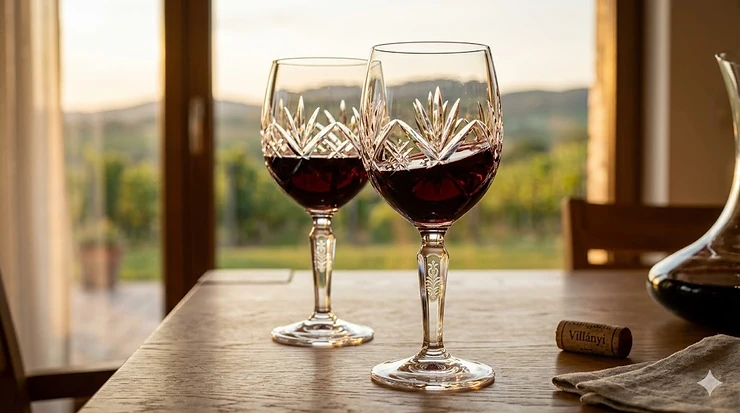
There’s something undeniably magical about sipping wine from a hungarian crystal wine glass. I still remember the first time I held an authentic AJKA piece at an estate sale—the weight, the clarity, the way light danced through those intricate hand-cut patterns. It felt like holding a piece of European history in my hands.
Hungarian crystal wine glasses represent centuries of masterful glassmaking tradition, tracing back to the medieval period when artisans first began crafting these stunning pieces in the Carpathian Basin. What sets hungarian crystal wine glasses apart from mass-produced alternatives? It’s the meticulous hand-cutting, the richness of color in cased crystal pieces, and that distinctive “ping” when you tap the rim—a hallmark of authentic lead crystal that’s been perfected since Bernard Neumann founded Ajka Crystal in 1878.
Today’s market offers fascinating options, from genuine vintage Hungarian pieces that tell stories of old-world craftsmanship to modern European crystal alternatives that capture similar elegance at various price points. Whether you’re a collector seeking rare antique crystal wine glasses or simply someone who appreciates how the right glassware transforms a Tuesday evening into something special, this guide walks you through everything you need to know. We’ll explore authentic Hungarian manufacturers, decode the difference between lead and lead-free crystal, and help you find pieces that match both your aesthetic preferences and budget.
Quick Comparison Table: Hungarian Crystal Wine Glasses at a Glance
| Product Name | Style | Capacity | Price Range | Best For |
|---|---|---|---|---|
| AJKA Crystal Marsala Goblet | Vintage Hungarian | 8 oz | $75-$120 | Collectors & Traditionalists |
| The Wine Savant Colored Set | Italian-inspired | 12 oz | $35-$50 | Entertaining & Daily Use |
| Elixir Square Crystal Set | Modern Crystal | 14 oz | $40-$55 | Contemporary Tables |
| LUNA&MANTHA Hand Blown Set | European Style | 15 oz | $45-$60 | Wine Enthusiasts |
| Russian Neman Vintage Cut | Traditional Crystal | 8.5 oz | $30-$45 | Budget-Conscious Buyers |
| AILTEC Premium Crystal Set | Classic Design | 19 oz | $32-$48 | Large Capacity Needs |
| Gabriel-Glas StandArt Set | Professional Grade | 16 oz | $85-$120 | Serious Collectors |
💬 Just one click – help others make better buying decisions too!😊
Top 7 Hungarian Crystal Wine Glasses: Expert Analysis
1. AJKA Crystal Marsala Hungarian Wine Goblet
When discussing hungarian crystal wine glasses, you simply cannot overlook AJKA—the crown jewel of Hungarian glassmaking since 1878. This AJKA Crystal Marsala Goblet stands 8.25 inches tall with an 8-ounce bowl, showcasing the signature cut-to-clear technique where layers of colored glass are hand-cut to reveal intricate patterns beneath.
Key Specifications:
- Hand-cut cased crystal from Hungary
- Available in ruby red, emerald green, cobalt blue
- Traditional grape and star stem design
Each piece produces that unmistakable crystal “ring” when tapped—a quality test that’s stood for centuries. Collectors prize AJKA for its bold, saturated colors and impressive weight, stemming from high lead content that gives it exceptional clarity. Customer feedback consistently highlights the heirloom quality: “These aren’t just glasses; they’re conversation pieces that have survived three generations in my family.”
✅ Pros:
- Authentic Hungarian craftsmanship
- Museum-quality cut patterns
- Investment-worthy collectibility
❌ Cons:
- Higher price point ($75-$120 per glass)
- Requires hand washing only
2. The Wine Savant Colored Crystal Wine Glass Set
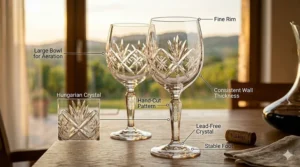
For those drawn to the vibrant aesthetic of hungarian crystal wine glasses without the vintage price tag, The Wine Savant Colored Set delivers Italian-inspired brilliance. This hand-blown, lead-free set of 6 glasses (12 oz each) features saturated color rims reminiscent of Hungarian cased crystal techniques.
Key Specifications:
- Hand-blown lead-free crystal
- Six assorted colors per set
- 5″ height, modern silhouette
The tallstemless design brings contemporary flair while maintaining that eye-catching color saturation Hungarian crystal is famous for. Reviewers appreciate the dishwasher-safe convenience and note the glasses feel substantial without being overly delicate. One customer shared: “They remind me of my grandmother’s vintage Hungarian set but actually survive my dinner parties.”
✅ Pros:
- Affordable for entertaining ($35-$50 for set of 6)
- Dishwasher safe
- Vibrant color selection
❌ Cons:
- Stemless design won’t appeal to traditionalists
- Not authentic Hungarian manufacture
3. Elixir Glassware Square Crystal Wine Glass Set
The Elixir Square Crystal Wine Glass Set bridges Old World elegance with modern geometry. These 14-ounce glasses feature a distinctive square bowl shape crafted from 100% lead-free ultra-clarity crystal, offering a contemporary take on vintage crystal aesthetics.
Key Specifications:
- Lead-free crystal construction
- Square bowl design (14 oz capacity)
- Long elegant stem
- Gift packaging included
What makes these special? The square shape isn’t just visually striking—it actually increases the wine’s surface area for better aeration, similar to decanting. Customer reviews highlight the durability: “I’ve dishwashed these fifty times and they still sparkle like new.” The crystal clarity rivals traditional lead crystal while being safer for daily use.
✅ Pros:
- Unique modern aesthetic
- Enhanced wine aeration
- Excellent gift presentation
❌ Cons:
- Non-traditional shape may not suit purists
- Limited to clear crystal only
4. LUNA&MANTHA Hand Blown Crystal Wine Glasses
European craftsmanship meets affordability in the LUNA&MANTHA Hand Blown Set. These 15-ounce glasses utilize premium titanium crystal, achieving that gossamer-thin rim (just 0.8mm) that serious wine lovers crave, rivaling the delicacy found in vintage style crystal pieces.
Key Specifications:
- Titanium crystal composition
- 27-step hand-blown process
- Ultra-thin 0.8mm rim
- Pulled stem (no seams)
The seamless construction—where stem and bowl are formed from a single piece—echoes traditional Hungarian glassmaking methods. Reviewers consistently praise the lightweight feel and how the thin rim “disappears” when drinking. As one sommelier noted: “The rim is so delicate, you taste only the wine, not the glass.”
✅ Pros:
- Professional-grade thin rim
- Excellent value ($45-$60 for set of 4)
- Beautiful tulip shape enhances aromatics
❌ Cons:
- Delicate construction requires careful handling
- Hand wash only recommended
5. Russian Neman Vintage Cut Crystal Wine Glasses
If you’re seeking the aesthetic of antique crystal wine glasses without scouring estate sales, Neman Glassworks delivers authentic vintage-style pieces. These 8.5-ounce hand-cut goblets showcase elaborate faceting techniques similar to Hungarian and Bohemian crystal traditions dating back to the 19th century.
Key Specifications:
- Hand-cut crystal (8.5 oz)
- Traditional faceted pattern
- Stems design
- Set of 6
Neman Glassworks has crafted crystal since 1883, maintaining old-world techniques that produce that distinctive prismatic effect when light hits the facets. Customer feedback emphasizes the nostalgic appeal: “These look exactly like my Hungarian grandmother’s crystal—at a fraction of the cost vintage pieces command.”
✅ Pros:
- Authentic vintage aesthetic
- Budget-friendly ($30-$45 for set of 6)
- Substantial feel and weight
❌ Cons:
- Heavier than modern alternatives
- Pattern may feel dated to some
6. AILTEC Wine Glasses Crystal Set
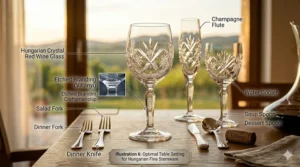
The AILTEC Premium Crystal Set offers generous 19-ounce capacity in classically proportioned stems. These lead-free glasses utilize integrated molding and laser cold-cutting technology to achieve ultra-thin, smooth rims while maintaining durability that rivals traditional Hungarian glassmaking methods.
Key Specifications:
- Lead-free premium crystal
- Large 19 oz capacity
- Laser-cut rim
- Dishwasher safe
The larger bowl accommodates bold reds beautifully, allowing wine to breathe properly. Reviews highlight the surprising durability: “I was skeptical of the thin construction, but these have survived countless dinner parties and dishwasher cycles.” The crystal clarity showcases wine color brilliantly, an essential quality in fine glassware.
✅ Pros:
- Generous capacity for bold wines
- Excellent price-to-quality ratio ($32-$48)
- Dishwasher safe convenience
❌ Cons:
- Larger size may overwhelm smaller tables
- Limited color options
7. Gabriel-Glas StandArt Crystal Wine Glass Set
For serious collectors who appreciate the philosophy behind hungarian crystal wine glasses, Gabriel-Glas StandArt represents the pinnacle of modern European crystal craftsmanship. These 16-ounce universal wine glasses are hand-blown by skilled Austrian craftsmen using lead-free crystal that’s been tested through 1,000 dishwashing cycles.
Key Specifications:
- Lead-free European crystal
- Seamless one-piece construction
- Universal wine glass shape
- 16 oz capacity
What justifies the premium price? The bowl’s broad diameter and carefully calculated curve decant wine as you pour, developing aromatics that typically require 30 minutes in a decanter. Michelin-starred restaurants and award-winning sommeliers favor these glasses. One collector explained: “These are the modern evolution of what Hungarian crystal masters were doing 100 years ago.”
✅ Pros:
- Professional-grade performance
- Proven dishwasher durability
- Lifetime investment quality
❌ Cons:
- Premium pricing ($85-$120 for set)
- Universal shape may not optimize specific varietals
Understanding Hungarian Glassmaking Tradition 🏺
The story of hungarian crystal wine glasses begins not in fancy showrooms but in the forests and mountains of old Hungary. Picture this: it’s 1708, and Prince Ferenc Rákóczi II establishes a glassworks in Parád, nestled in the Mátra mountains. This wasn’t just business—it was the birth of a tradition that would define Hungarian glass artistry for centuries.
What makes the Hungarian glassmaking tradition so distinctive? Unlike the restrained elegance of French crystal or the precise cuts of Irish Waterford, Hungarian artisans developed a passionate relationship with color. The cased crystal technique—where vibrant colored glass layers over clear crystal before being hand-cut to reveal intricate patterns—became Hungary’s signature. When you see a ruby red wine goblet with hand-cut grape motifs revealing crystal underneath, you’re witnessing a technique perfected over 200+ years.
The golden age arrived in the 19th century when Hungarian glass factories began winning medals at world exhibitions in London (1862), Vienna (1873), and Paris (1900). Bernard Neumann’s Ajka Crystal, founded in 1878, became renowned for supplying luxury retailers like Waterford, Tiffany & Co., and Ralph Lauren Home—though many pieces bore those retailers’ names rather than AJKA’s mark, creating a treasure hunt for today’s collectors.
Here’s what fascinates me most: each hungarian crystal wine glass embodies the convergence of German precision, Venetian artistry, and Czech cutting techniques, filtered through uniquely Hungarian motifs—engraved peacocks, grape clusters, and folk art patterns. The glassmakers weren’t just craftsmen; they were cultural storytellers. In 2023, UNESCO recognized handmade glass production (including Hungary’s contribution) as Intangible Cultural Heritage, cementing these traditions’ global significance.
Modern Hungarian glass artists continue innovating while honoring these roots. The Varga family, now in its fourth generation of Budapest glass masters, still employs diamond and copper-wheel engraving techniques passed down from Grandfather Geza Varga. When you hold contemporary hungarian crystal wine glasses, you’re holding living history.
Exploring European Crystal Alternatives 🌍
Not everyone needs (or can find) authentic hungarian crystal wine glasses, and that’s perfectly fine. Europe’s glassmaking landscape offers spectacular alternatives that capture similar elegance while bringing their own heritage to your table.
German Precision: Schott Zwiesel & Zwiesel Glas
German crystal represents the engineering approach to glassmaking. Schott Zwiesel, operating since 1872, revolutionized the industry with Tritan crystal—a lead-free formula that’s dishwasher-safe, break-resistant, and maintains clarity through 1,000+ washing cycles. Where Hungarian crystal dazzles with color and ornate cutting, German crystal impresses with precision, consistency, and practical durability. Their Congresso and Pure lines offer clean, modern aesthetics perfect for those who appreciate minimalist elegance.
The key difference? Hungarian crystal tends toward decorative artistry and bold colors, while German crystal prioritizes functional perfection. Both philosophies create stunning wine experiences—just different ones.
Austrian Excellence: Riedel Crystal
If Hungarian crystal is the passionate artist, Riedel is the focused scientist. Founded in 1756 (yes, before the United States existed!), this Austrian manufacturer pioneered varietal-specific glassware—the idea that glass shape should optimize each wine type’s characteristics. Their recent “Fatto a Mano Black Tie 2025” collection merges hand-applied transparent stems with solid black crystal bases, creating modern drama that nods to vintage European aesthetics.
Riedel glasses lack the ornate cutting of antique crystal wine glasses, instead showcasing crystal clarity and purposeful bowl shapes. Think of it as crystal elevated to scientific instrument status.
Irish Heritage: Waterford Crystal
Waterford represents Irish crystal tradition at its finest, though here’s an insider secret: many “Waterford” pieces from the 20th century were actually manufactured by Hungarian factories like AJKA! The Lismore pattern—deeply cut diamonds creating that signature sparkle—became iconic. Modern Waterford maintains this cutting heritage while exploring contemporary designs.
The appeal? Waterford offers the prestige and cutting complexity vintage style crystal collectors seek, with more consistent availability than hunting for true Hungarian antiques.
Italian Artistry: Bormioli Rocco & Colored Glass
Italian glassmakers approach crystal with operatic flair. Brands like Bormioli Rocco create colored crystal that shares Hungarian pieces’ vibrant spirit—think pastel greens, deep ambers, and romantic pinks. The “Romantic” collection’s hand-painted details echo the decorative sensibility found in Hungarian folk art glass.
Italian crystal tends toward lighter construction than Hungarian pieces but compensates with whimsical creativity. Perfect for those who love color but want contemporary shapes.
How to Choose the Perfect Crystal Wine Glasses 🍷
Step 1: Define Your Primary Use
Ask yourself honestly: will these glasses grace your table weekly or emerge only for special occasions? Daily drinkers benefit from dishwasher-safe lead-free crystal like Schott Zwiesel or AILTEC sets. Special occasion pieces—authentic AJKA, vintage Neman, or Gabriel-Glas—deserve the hand-washing ritual but reward you with heirloom presence.
I learned this the hard way when I relegated my grandmother’s Hungarian crystal to a cabinet for “someday.” Life’s too short. Find a balance: keep a sturdy set for Tuesday wine and reserve the precious pieces for weekends.
Step 2: Determine Your Aesthetic Preference
Hungarian crystal wine glasses typically fall into three style camps:
Traditional Ornate: Deep cutting, colored casing, elaborate patterns (think AJKA, Neman vintage)
Modern Minimalist: Clean lines, clear crystal, focus on shape (Elixir Square, Gabriel-Glas)
Colorful Contemporary: Vibrant hues with simpler forms (Wine Savant, Italian collections)
Browse your Pinterest boards or Instagram saves—patterns emerge. Are you drawn to maximalism or restraint? Color or clarity?
Step 3: Consider Capacity and Wine Type
Red wine needs room to breathe—look for bowls 14-19 ounces (AILTEC, Gabriel-Glas). White wine and rosé benefit from smaller 8-14 ounce glasses that maintain cooler temperatures (AJKA, LUNA&MANTHA). Investing in universal glasses (Gabriel-Glas StandArt) works beautifully if storage limits your collection.
Step 4: Set Your Budget Realistically
Crystal wine glasses span $5 to $500+ per stem. Here’s the honest breakdown:
- Budget ($30-$50 per set): Neman vintage, AILTEC—excellent value, decent quality
- Mid-range ($50-$80 per set): Wine Savant, LUNA&MANTHA, Elixir—great balance
- Premium ($85-$150+ per set): Gabriel-Glas, authentic AJKA—investment pieces
- Collector ($150+ per glass): Vintage Hungarian AJKA, rare patterns—for serious enthusiasts
Step 5: Assess Durability Needs
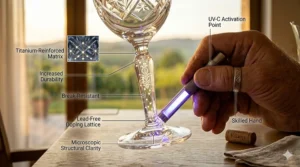
Lead crystal requires gentle care—hand washing, careful storage, awareness that rims chip more easily. Lead-free alternatives offer comparable beauty with modern resilience. If you have young children or entertain frequently, prioritize durability. If you’re curating a collection, traditional lead crystal’s heft and ring justify the extra care.
Step 6: Verify Authenticity for Vintage Pieces
Hunting for antique crystal wine glasses? Look for maker’s marks (AJKA stamps, Neman logos), examine cut quality under bright light, and perform the “ring test” by gently tapping the rim with your fingernail—authentic crystal produces a clear, sustained tone. Estate sales, antique shops, and reputable online dealers offer better authenticity than generic marketplace listings.
Step 7: Start Small, Expand Thoughtfully
Don’t feel pressured to buy complete sets immediately. Start with 4-6 glasses to test quality, hand feel, and how they integrate into your wine routine. Expand once you’re certain. I’ve never regretted buying fewer high-quality pieces instead of quantity.
Caring for Your Crystal Wine Glasses ✨
Hand Washing: The Gold Standard
Yes, some modern crystal claims dishwasher safety, but hand washing preserves brilliance longer. Here’s my foolproof method:
- Fill your sink with warm (not hot!) water and mild dish soap
- Wash glasses one at a time—never let them knock together
- Hold by the bowl, not the stem (less breaking that way)
- Rinse thoroughly with clean warm water
- Dry immediately with a lint-free microfiber cloth
Pro tip: Add white vinegar to your final rinse water for extra sparkle. Your grandmother knew what she was doing.
Proper Storage Prevents Disasters
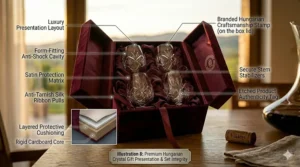
Never stack crystal wine glasses—that’s how stems snap and rims chip. Store them upright in a cabinet with adequate spacing. If you must store them rim-down, use protective shelf liners. For valuable vintage Hungarian pieces, consider individual sleeves or divided storage boxes.
Cabinet humidity matters too. Excessive moisture can cause cloudiness over time. A small silica gel packet in your glass cabinet absorbs excess moisture without affecting the crystal.
Addressing Common Issues
Water spots: Mix equal parts white vinegar and water, soak for 10 minutes, rinse, and dry immediately.
Cloudiness: This might be etching from hard water or dishwasher damage. Prevention beats cure—hand wash valuable pieces always. For minor cloudiness, try soaking in denture cleaner solution (seriously—it works!).
Chips and cracks: Small rim chips can sometimes be professionally buffed out, though this reduces height slightly. Cracks? Unfortunately, those render glasses unsafe for drinking. Repurpose cracked pieces as small vases or decorative objects rather than discarding them entirely.
Vintage Style Crystal: Bridging Past and Present 🕰️
The appeal of vintage style crystal extends beyond nostalgia—it represents a different relationship with craftsmanship and time. When artisans spent hours hand-cutting a single goblet, each piece became singular, slightly different from its siblings. Modern manufacturing achieves consistency; vintage achieves character.
What defines vintage style crystal?
- Elaborate faceting and deep cutting that captures light dramatically
- Heavier construction with substantial lead content (pre-1990s pieces)
- Distinctive patterns: thumbprint, diamond, sunburst, wheat
- Colored casing techniques (cobalt blue, ruby red, emerald green)
- Slightly irregular hand-blown characteristics
You’ll find two paths to vintage style: authentic antiques (typically 30+ years old) and modern reproductions that capture vintage aesthetics with contemporary materials. The Neman Vintage Cut and HAKEEMI Vintage sets exemplify quality reproductions—they deliver old-world looks without the fragility or lead content concerns of true antiques.
Where to find authentic vintage Hungarian crystal:
- Estate sales and auctions – Best prices, but requires knowledge to authenticate
- Antique dealers – Higher prices, but reputable dealers guarantee authenticity
- Online marketplaces – eBay, Etsy, 1stDibs offer selection but demand careful vetting
- Family attics – Don’t underestimate what relatives might have stored away!
When evaluating vintage pieces, inspect carefully under good lighting. Authentic vintage hungarian crystal wine glasses show hand-cutting irregularities that machine-made pieces lack—not flaws, but proof of human craftsmanship. Wear patterns on bases, slight variations in stem thickness, and that unmistakable weight all signal authenticity.
The investment potential exists, particularly for rare AJKA patterns, complete sets in pristine condition, or pieces from defunct Hungarian glassworks. That said, buy primarily for enjoyment. The real value lies in using these glasses to create memorable moments, not in hoarding them as financial assets.
The Lead vs. Lead-Free Debate 🔬
Walking through crystal departments, you’ll encounter both lead and lead-free options. Understanding the distinction helps you make informed choices for your household.
Traditional Lead Crystal:
- Contains 24-30% lead oxide
- Creates exceptional brilliance and “ring”
- Heavier, with substantial hand feel
- Softer than glass, enabling intricate hand-cutting
- Requires hand washing
- Safety note: Modern research suggests minimal lead leaching in properly maintained glassware, but pregnant women and young children should use lead-free alternatives
Modern Lead-Free Crystal:
- Uses barium, zinc, or titanium compounds
- Achieves comparable clarity to lead crystal
- Dishwasher safe and more durable
- Lighter weight (some prefer this, others don’t)
- Environmentally friendlier production
- No health concerns
Honestly? Both have their place. I keep lead-free crystal (Gabriel-Glas, Elixir) for everyday use and reserve authentic lead crystal pieces (vintage AJKA) for occasions when I want that unmistakable heft and historical connection. The “inferiority” of lead-free crystal is largely myth—modern formulations produce stunning glassware.
The environmental angle matters too. Lead crystal production involves toxic materials requiring careful handling. Lead-free manufacturing reduces environmental impact while delivering products safe for all family members without precautions.
❓ Frequently Asked Questions
❓ What makes hungarian crystal wine glasses special compared to regular wine glasses?
❓ Can I safely put my crystal wine glasses in the dishwasher?
❓ How can I tell if my crystal wine glasses are authentic Hungarian pieces?
❓ What price should I expect to pay for quality hungarian crystal wine glasses?
❓ Are colored crystal wine glasses safe for drinking, or does the color indicate harmful materials?
Conclusion: Finding Your Perfect Crystal Match
Choosing hungarian crystal wine glasses isn’t really about finding the “best” set—it’s about discovering which pieces resonate with your aesthetic soul and enhance how you experience wine. Whether you’re drawn to the bold artistry of authentic AJKA pieces, the practical elegance of modern lead-free alternatives, or the nostalgic charm of vintage style crystal, each option tells its own story.
The beauty of today’s market lies in accessibility. You don’t need to inherit grandmother’s collection or spend a fortune at auction houses to own crystal that makes ordinary moments feel extraordinary. The Wine Savant colored set brings Hungarian-inspired vibrancy to casual dinners for under $50. The Gabriel-Glas StandArt offers professional-grade performance for serious enthusiasts. Somewhere between these extremes sits your perfect match.
My advice? Start with what genuinely excites you—not what you think you “should” own. If those ruby red goblets make your heart skip a beat, find room in your budget. If minimalist clarity speaks louder than ornate cutting, honor that preference. Crystal wine glasses should spark joy every time you pull them from the cabinet, not gather dust while you wait for occasions “special enough.”
Remember that the Hungarian glassmaking tradition wasn’t built on precious objects locked away in cabinets. It emerged from artisans who believed everyday drinking deserved beauty, who embedded folk art into functional items, who understood that how we hold our wine matters as much as what’s inside. That philosophy remains relevant today.
Whether you choose authentic hungarian crystal wine glasses or European alternatives inspired by that tradition, you’re participating in something larger than consumer purchase—you’re keeping alive the belief that craftsmanship, beauty, and ritual matter in our increasingly disposable world. And honestly? That’s worth toasting.
Recommended for You 📚
- 7 Best German Crystal Wine Glasses That Transform Wine (2026)
- 7 Best Bohemia Crystal Wine Glasses 2026: Premium Czech Quality
- 7 Best Crystal Wine Glasses That Elevate Your Wine Experience 2026
Disclaimer: This article contains affiliate links. If you purchase products through these links, we may earn a small commission at no additional cost to you.
✨ Found this helpful? Share it with your friends! 💬🤗
