
In This Article
Picture this: you’ve just finished a delicious meal, and you’re ready to savor that exquisite vintage port you’ve been saving. You reach for a regular wine glass, pour, and take a sip. Something feels… off. The aromas don’t bloom the way they should, and the flavors seem muted. What went wrong?
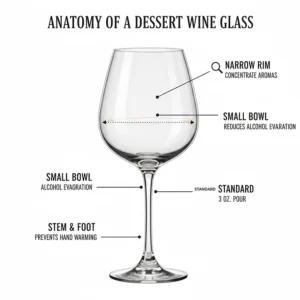
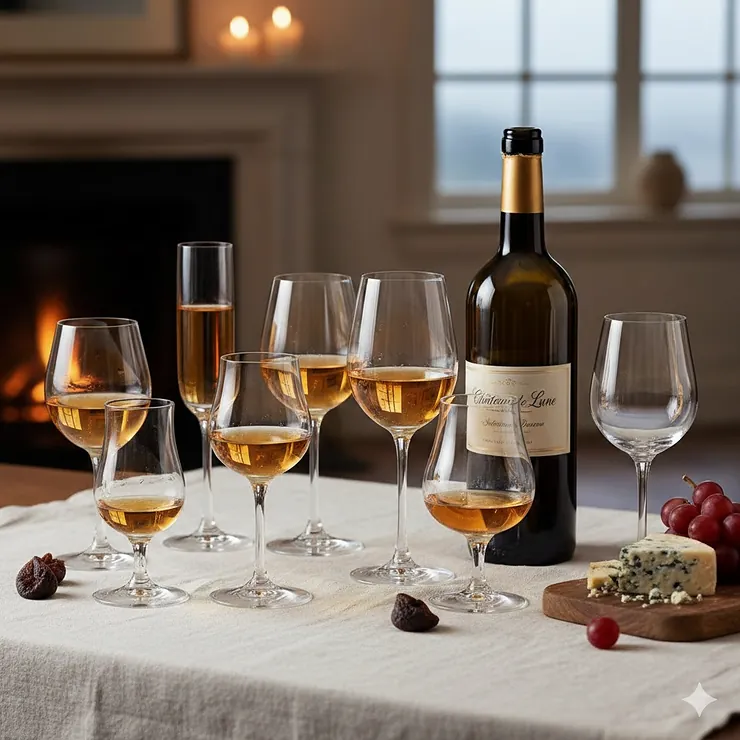
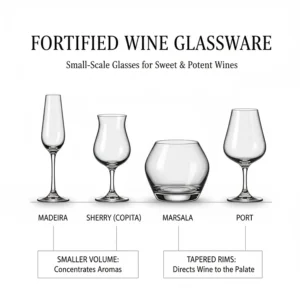
Here’s the truth most wine enthusiasts discover too late: dessert wine glasses aren’t just fancy tableware—they’re precision tools engineered to unlock the hidden complexities of fortified and sweet wines. These specialized vessels feature smaller bowls, tapered rims, and unique proportions that concentrate aromatic compounds while directing the liquid to specific parts of your palate.
Whether you’re exploring the honeyed notes of Sauternes, the rich complexity of tawny port, or the delicate sweetness of ice wine, the right glass transforms your tasting experience from ordinary to extraordinary. After testing dozens of options and consulting with sommeliers, I’ve curated this definitive guide to help you find the perfect dessert wine glasses for your collection. From budget-friendly sets to premium crystal, we’ll explore what makes each option special and how to choose glasses that match your drinking style and wine preferences.
Quick Comparison Table
| Product | Capacity | Material | Set Size | Price Range | Best For |
|---|---|---|---|---|---|
| Riedel Vinum Port Glass | 8.5 oz | Lead Crystal | 2 | $$$ | Premium port lovers |
| Schott Zwiesel Bar Special | 8 oz | Tritan Crystal | 6 | $$ | Durability seekers |
| Glassique Cadeau Copitas | 7 oz | Lead-Free Crystal | 4 or 6 | $$ | Versatile tasting |
| Stolzle Lausitz Experience | 6.4 oz | Lead-Free Crystal | 6 | $$ | European elegance |
| Spiegelau Definition Digestif | 4.5 oz | Lead-Free Crystal | 2 | $$$ | After-dinner sipping |
| Libbey Mini Tasting Glass | 4.1 oz | Glass | 12 | $ | Budget & wine parties |
| Glassique Schooner Style | 3.7 oz | Crystal | 4 | $$ | Sherry & cordials |
💬 Just one click – help others make better buying decisions too!😊
Top 7 Dessert Wine Glasses: Expert Analysis
1. Riedel Vinum Port Glass (Set of 2) – The Gold Standard
When it comes to varietal-specific glassware, Riedel wrote the book—and their Vinum Port Glass remains the industry benchmark. This Austrian-made masterpiece features a gracefully fluted teardrop design that’s been refined through decades of sensory workshops with the world’s leading port experts.
Key Specifications:
- Capacity: 8.5 ounces
- Material: Lead crystal glass
- Height: Approximately 8 inches
- Model: 6416/60
What sets this glass apart is its scientifically engineered shape. The slightly narrowed rim concentrates the wine’s floral and raisin-like aromatics while tempering alcohol burn on the nose. During tastings, the glass guides the liquid to specific zones of your tongue, emphasizing fruit sweetness while balancing the wine’s natural acidity and tannins.
Customer feedback consistently praises the clarity and weight—each glass feels substantial without being heavy. Wine enthusiasts note that the same port tastes markedly different when served in this glass versus standard stemware, with enhanced complexity and a longer, more satisfying finish.
Pros:
✅ Backed by 300 years of crystal-making expertise
✅ Specifically designed for port wine characteristics
✅ Machine-made precision at accessible price point
Cons:
❌ Set of 2 may be limiting for entertaining
❌ Higher price point than alternatives
Price Range: Typically $40-60 for set of 2
Perfect for serious port collectors and those who appreciate the nuanced differences between ruby, tawny, and vintage styles.
2. Schott Zwiesel Bar Special Port Wine Glass (Set of 6) – German Engineering Meets Everyday Luxury
German glassmaker Schott Zwiesel brings impressive innovation to dessert wine service with their Bar Special collection. These glasses feature proprietary Tritan crystal glass—a titanium and zirconium oxide formula that delivers brilliant clarity while resisting chips, scratches, and cloudiness even after hundreds of dishwasher cycles.
Key Specifications:
- Capacity: 8 ounces
- Material: Tritan crystal glass (lead-free)
- Dimensions: 6.6″ H x 2.8″ W
- Set: 6 pieces
The shape combines traditional port glass proportions with modern durability. The bowl’s gentle taper concentrates aromatic compounds while the pulled stem (drawn from a single piece of glass) eliminates seams that could weaken the structure. Sommeliers appreciate how the rim thickness—incredibly thin yet remarkably durable—doesn’t interfere with the wine’s delivery to your palate.
Customers rave about the dishwasher safety that actually works. Unlike many crystal glasses that deteriorate over time, these maintain their sparkle and structural integrity through regular machine washing. Home entertainers particularly value getting six matching glasses, making this set ideal for dinner parties and tastings.
Pros:
✅ Exceptionally durable Tritan crystal technology
✅ Truly dishwasher-safe without compromising quality
✅ Set of 6 perfect for entertaining
Cons:
❌ Slightly more contemporary design may not suit traditional aesthetics
❌ Less specialized than single-varietal focused options
Price Range: $50-75 for set of 6
An excellent choice for those who want premium quality with practical, everyday usability.
3. Glassique Cadeau Port and Dessert Wine Tasting Glasses (Set of 4 or 6) – Scandinavian Sophistication
This Scandinavian brand has captured the hearts of wine enthusiasts with their tulip-shaped copitas that marry professional tasting standards with gift-worthy presentation. Each set arrives in an elegant storage box lined with silky fabric, making these glasses as much about the unboxing experience as the drinking experience.
Key Specifications:
- Capacity: 7 ounces
- Material: Lead-free crystal
- Height: 5.9 inches
- Available in sets of 4 or 6
The traditional tulip profile follows ISO/INAO wine tasting glass requirements, with a wider bowl that narrows dramatically at the rim. This design captures the wine’s aromatic compounds and focuses them directly toward your nose, revealing layers of complexity you might miss in wider glasses. Fill to the widest part (about 3-4 ounces) for optimal aeration and aroma development.
What customers love most is the versatility. These copitas excel with vintage port, tawny port, sweet sherries, and dessert wines like Sauternes and ice wine. The shorter stem keeps hands away from the bowl, preventing premature warming—crucial for maintaining the ideal serving temperature of 60-65°F.
Pros:
✅ Meets international tasting standards (ISO/INAO)
✅ Premium gift box doubles as protective storage
✅ Versatile for multiple dessert wine styles
Cons:
❌ Smaller capacity may require more frequent pours
❌ Some reviewers note delicate stems require careful handling
Price Range: $45-60 for set of 4, $55-70 for set of 6
Ideal for wine enthusiasts who appreciate professional-grade tasting equipment and thoughtful design details.
4. Stolzle Lausitz Experience Dessert Wine Glasses (Set of 6) – Professional Grade at Consumer Prices
Since 1889, Stolzle Lausitz has been perfecting the art of glassmaking in Germany’s Saxony region, and their Experience line represents over 130 years of accumulated expertise. These dessert wine glasses blend professional restaurant durability with the delicate aesthetics home entertainers crave.
Key Specifications:
- Capacity: 190ml (approximately 6.4 ounces)
- Material: Lead-free crystal glass
- Height: 8.7 inches (22 cm)
- Set: 6 pieces
The pulled stem construction creates a seamless transition from bowl to base—no connecting joints means enhanced durability and easier cleaning. Sommeliers collaborated in developing the bowl shape, which provides generous breathing space at the bottom while the tapered rim concentrates aromatics. The design works equally well with port, dessert wines, and even as elegant cordial glasses.
Restaurant professionals appreciate these glasses because they survive the rigors of commercial dishwashing while maintaining their clarity and sparkle. Home users find them reassuringly sturdy—multiple reviewers mention accidentally knocking them over without breakage, which speaks volumes about the tempered construction.
Pros:
✅ Professional restaurant-quality construction
✅ Pulled stem design eliminates weak connection points
✅ Excellent value for German-made crystal
Cons:
❌ Taller profile may not fit in all dishwashers
❌ Hand-blown appearance is machine-made (not a flaw, but worth noting)
Price Range: $45-65 for set of 6
Perfect for those seeking the sweet spot between professional quality and approachable pricing.
5. Spiegelau Definition Digestif Glasses (Set of 2) – After-Dinner Elegance Redefined
With over 500 years of glassmaking heritage, Spiegelau brings refined European craftsmanship to the modern table. Their Definition Digestif glasses represent the pinnacle of contemporary design meeting traditional function—sleek modern angles complement the classic tulip silhouette.
Key Specifications:
- Capacity: 4.5 ounces
- Material: Lead-free crystal
- Style: Stemmed with contemporary angular details
- Set: 2 pieces
The smaller capacity makes perfect sense when you understand digestif culture. These wines—port, amaro, grappa, sweet sherries—are meant for slow, contemplative sipping after dinner. The 4.5-ounce bowl holds an ideal 2-3 ounce pour, preventing overserving while encouraging you to savor every drop.
What distinguishes these glasses is their weight distribution. They feel incredibly light in hand yet perfectly balanced, with a laser-cut rim so thin it virtually disappears when you sip. This minimalist contact point means nothing interferes with your direct sensory experience of the wine.
Wine collectors particularly value these for showcasing the rich amber and ruby hues of aged ports and Madeiras. The crystal clarity provides an unobstructed view of the wine’s color gradients, adding a visual dimension to the tasting experience.
Pros:
✅ Featherlight yet durable European crystal
✅ Contemporary design suits modern table settings
✅ Ideal portion control for high-alcohol dessert wines
Cons:
❌ Set of 2 limits entertaining capacity
❌ Premium price point reflects heritage craftsmanship
Price Range: $35-50 for set of 2
Best suited for discerning wine enthusiasts who appreciate design excellence and intimate after-dinner gatherings.
6. Libbey Mini Wine Tasting Glass (Set of 12) – Budget-Friendly Versatility Champion
Sometimes you need quantity without sacrificing quality, and that’s exactly what Libbey delivers. This American glassware institution has been crafting reliable, functional glasses for over 200 years, and their 4.1-ounce taster glasses prove that budget-friendly doesn’t mean cheaply made.
Key Specifications:
- Capacity: 4.1 ounces
- Material: Lead-free glass
- Height: Approximately 5 inches
- Set: 12 pieces
Don’t let the modest price fool you—these little workhorses punch well above their weight class. The compact bowl size makes them perfect for port wine tastings, where you might sample multiple styles in one evening. Fill them to about 2-3 ounces for comfortable sipping without risk of spilling.
Customers consistently praise their surprising sturdiness. Despite feeling delicate, they withstand regular use and dishwashing admirably. The real genius lies in their versatility—wine tastings, dessert servings (think individual tiramisu portions), appetizer presentations, or even elegant juice glasses for breakfast gatherings.
Home entertainers love having a dozen matching glasses without breaking the bank. When hosting a wine tasting party, you can offer multiple flight options without worrying about running out of clean glassware.
Pros:
✅ Exceptional value with 12-piece set
✅ Versatile for tastings, desserts, and beverages
✅ Compact size perfect for wine flights
Cons:
❌ Glass construction less premium than crystal options
❌ Smaller capacity may feel limiting for regular use
Price Range: $20-35 for set of 12
Ideal for budget-conscious wine lovers, frequent entertainers, and anyone starting their dessert wine glass collection.
7. Crystal Sherry, Sweet Port and Dessert Wine Glasses (Schooner Style, Set of 4) – Old-World Charm Meets Modern Craftsmanship
These elegant schooner-style glasses pay homage to British maritime heritage while serving decidedly contemporary purposes. Named after the ships that transported sherry from Spain to England, the schooner design features a long, graceful stem topped with a delicately flared tulip bowl.
Key Specifications:
- Capacity: 3.7 ounces
- Material: Crystal glass
- Height: 6.5 inches
- Set: 4 pieces
The elongated stem serves multiple practical purposes beyond aesthetics. It keeps your hand far from the bowl, preventing body heat from warming temperature-sensitive dessert wines. The flared rim allows optimal surface aeration, letting sherries and sweet ports breathe while revealing their lush aromatic profiles.
What makes these glasses special is their niche specialization. While they work beautifully with sweet port and dessert wines, they truly shine with fino and oloroso sherries, Madeira, and vermouth-based aperitifs. The smaller capacity (perfect for 1.5-2 ounce pours) acknowledges that these fortified wines pack considerable flavor punch in small volumes.
Reviewers note the delicate construction requires mindful handling—these aren’t glasses you’d use for casual outdoor entertaining. However, their exquisite appearance and authentic vintage aesthetic make them conversation starters at formal dinner parties.
Pros:
✅ Authentic schooner design with historical character
✅ Ideal proportions for sherry and fortified wines
✅ Elongated stem prevents premature warming
Cons:
❌ Delicate construction requires careful handling
❌ Very small capacity limits versatility
Price Range: $30-45 for set of 4
Perfect for sherry enthusiasts and collectors who appreciate traditional glassware with authentic historical roots.
Understanding Dessert Wine Glasses: Why Size and Shape Matter
The world of dessert wine glasses might seem unnecessarily complicated, but there’s genuine science behind those specialized shapes. Unlike standard wine glasses designed for 5-6 ounce pours, dessert wine glasses typically range from 3 to 8 ounces for good reason.
The Science of Smaller Bowls
Dessert wines contain significantly higher sugar concentrations and alcohol levels than table wines—often reaching 15-22% ABV. The smaller bowl size serves multiple purposes: it controls portion sizes (preventing overindulgence), concentrates aromatic compounds into a tighter space, and maintains ideal serving temperatures by reducing surface area exposure to ambient air.
Think of it like a perfume bottle versus an open jar. The narrow opening of a perfume bottle concentrates scent molecules, making them more noticeable when you bring it close to your nose. Similarly, dessert wine glasses capture those precious aromatic compounds—honey, dried fruits, caramel, nuts—and focus them directly toward your olfactory receptors.
Temperature Control Through Design
Port and other fortified wines taste best between 60-65°F, slightly cooler than room temperature. The shorter stems and smaller bowls of dessert wine glasses minimize heat transfer from your hand to the wine. This design detail becomes crucial when you’re savoring a glass over 20-30 minutes during conversation.
The Tulip Shape Advantage
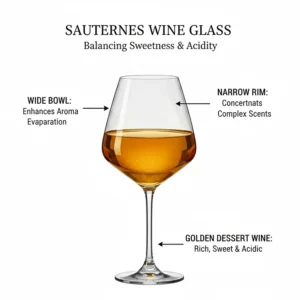
Most premium dessert wine glasses feature tulip-shaped bowls—wider at the base, narrowing at the rim. According to wine education experts, this configuration allows the wine to breathe in the wider lower section while the tapered rim traps volatile aromatic compounds. When you swirl the glass, these aromatics concentrate at the opening, creating an intense sensory experience with each sip.
The tapered rim also directs the wine to specific areas of your tongue. Sweet wines benefit from hitting the tip first (where sweetness receptors concentrate), while the sides pick up acidity and the back processes tannins—creating a balanced, harmonious taste profile.
Material Matters: Crystal vs. Glass
While both crystal and glass serve wine admirably, crystal offers advantages for serious enthusiasts. Crystal’s finer molecular structure allows manufacturers to create thinner walls and rims without sacrificing strength. This thinness means less interference between your lips and the wine—you taste the liquid more directly.
Modern lead-free crystal formulations (using titanium or zirconium oxides) provide the same clarity and weight as traditional leaded crystal without health concerns. Brands like Schott Zwiesel and Riedel have pioneered these advanced materials, delivering premium drinking experiences at more accessible price points.
Types of Dessert Wines and Their Ideal Glasses
Port Wine: The King of Dessert Wines
Port wine from Portugal’s Douro Valley reigns as perhaps the most celebrated fortified wine globally. Ruby ports offer vibrant fruit flavors and deep color, while tawny ports develop nutty, caramel complexity through extended barrel aging. Vintage ports—the crown jewels of port production—can age for decades, developing extraordinary depth.
Best Glass Match: Traditional port glasses like the Riedel Vinum or Glassique Cadeau copitas, with 6-8 ounce capacities and tulip shapes that emphasize fruit sweetness while tempering alcohol heat.
Ice Wine (Eiswein): Frozen Elegance
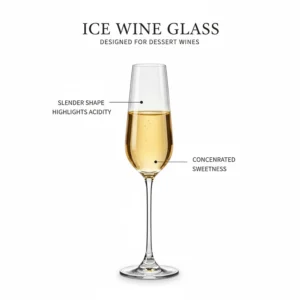
Produced from grapes naturally frozen on the vine, ice wines concentrate intense sweetness and acidity into liquid gold. Canada and Germany dominate production, with varieties like Riesling and Vidal Blanc creating honey-sweet wines balanced by refreshing acidity.
Best Glass Match: Slightly larger dessert glasses (6-7 oz) that allow the wine’s delicate aromatics to develop, such as the Stolzle Lausitz Experience.
Sauternes: Noble Rot Luxury
This prestigious French dessert wine owes its existence to beneficial fungus—Botrytis cinerea—which concentrates sugars while adding distinctive honey and apricot flavors. Château d’Yquem remains the pinnacle, though many producers create exceptional examples at friendlier prices.
Best Glass Match: Traditional Sauternes glasses feature medium bowls (5-7 oz) that showcase golden hues while concentrating honeyed aromatics.
Sweet Sherry: Versatile and Underrated
Pedro Ximénez and cream sherries deliver intense raisin and caramel flavors perfect for pairing with desserts or enjoying solo. These fortified wines from Spain’s Jerez region offer incredible value and complexity.
Best Glass Match: Authentic schooner glasses or small copitas (3-5 oz) that respect traditional serving sizes and emphasize nutty, oxidative characteristics.
Madeira: The Indestructible Wine
Unique heating and oxidation processes create Madeira’s distinctive character—nutty, salty, and intensely flavorful. Remarkably, opened bottles last months without deterioration, making Madeira ideal for occasional sippers.
Best Glass Match: Small dessert glasses (4-6 oz) that concentrate Madeira’s powerful aromatics without overwhelming the palate.
How to Choose Dessert Wine Glasses: 5 Essential Factors
1. Consider Your Drinking Habits
Ask yourself: do you primarily enjoy one type of dessert wine, or do you explore various styles? Single-style enthusiasts might invest in varietal-specific glasses (like dedicated port glasses), while adventurous tasters benefit from versatile options that perform well across categories.
If you typically share dessert wines with a partner or small group, sets of 2-4 glasses suffice. Frequent entertainers should consider larger sets (6-12 pieces) to accommodate guests without constant dishwashing.
2. Balance Quality and Budget
Premium crystal delivers superior clarity, thinner rims, and enhanced durability—but at higher prices. Excellent mid-range options like Schott Zwiesel and Stolzle Lausitz offer 80-90% of the premium experience at 50-60% of the cost. Budget-friendly glass options work perfectly for casual use and large gatherings.
Consider this investment strategy: purchase a premium set of 2-4 glasses for special occasions and wines you truly treasure, then supplement with budget-friendly options for everyday enjoyment and entertaining.
3. Assess Storage and Care Requirements
Crystal glasses often require hand washing or gentle dishwasher cycles, while modern Tritan crystal withstands regular machine washing. Consider your lifestyle—busy households might prioritize dishwasher-safe options, while collectors may enjoy the ritual of hand-washing precious stemware.
Storage matters too. Tulip-shaped glasses with long stems need cabinet space or specialized storage. Some manufacturers (like Glassique Cadeau) include protective storage boxes—a valuable feature for infrequent users who need to protect delicate stemware between uses.
4. Match Your Aesthetic Preferences
Traditional tulip designs complement classic table settings and appeal to wine purists. Contemporary angular styles (like Spiegelau Definition) suit modern decor and minimalist aesthetics. Consider how glasses will look on your table—cohesive visual presentation enhances the overall dining experience.
Glass color matters too. While most dessert wine glasses feature clear crystal, some colored options exist. Clear crystal showcases wine’s beautiful hues—tawny’s amber gradients, port’s ruby depths, ice wine’s golden brilliance—adding a visual dimension to appreciation.
5. Prioritize Versatility vs. Specialization
Specialized glasses like authentic schooner designs excel with specific wine styles but limit versatility. Universal dessert wine glasses (6-8 oz tulip shapes) accommodate everything from port to Sauternes to sweet sherry with excellent results.
Most enthusiasts benefit from starting with versatile options, then adding specialized glasses as their collection and knowledge expand. Think of it like kitchen knives—everyone needs a good chef’s knife before investing in boning knives and cleavers.
Caring for Your Dessert Wine Glasses: Pro Tips for Longevity
Washing Techniques That Preserve Clarity
Hand washing remains the gold standard for delicate crystal. Use warm (not hot) water with mild dish soap, washing one glass at a time to prevent collisions. Support the bowl with one hand while gently cleaning with a soft sponge—never grip the stem and twist, as this creates stress fractures.
For dishwasher-safe crystal like Schott Zwiesel Tritan, place glasses securely on the top rack away from other items. Use low-temperature cycles and avoid harsh detergents with bleach or citrus additives that can etch crystal over time.
Drying and Polishing for Restaurant-Quality Shine
Air drying on a clean towel works, but hand polishing delivers superior results. Use lint-free microfiber cloths designated exclusively for glassware. Polish immediately after washing while glass is still warm—residual heat helps achieve streak-free brilliance.
Professional sommeliers hold the glass over steam from a kettle for 3-5 seconds before polishing. The steam loosens any remaining residue while warming the glass for optimal polishing. Buff in circular motions until completely dry and sparkling.
Storage Strategies That Prevent Damage
Store glasses upright when possible—inverted storage can trap odors and create rim chips. If space requires inverted storage, use cabinet liners and ensure glasses don’t rest on their delicate rims.
Avoid storing glasses near strong odors (spices, cleaning products) as crystal can absorb ambient scents. For infrequently used glasses, consider the original packaging or specialized storage boxes that protect from dust and accidental impact.
Removing Stubborn Stains and Cloudiness
Water spots and mineral deposits respond well to white vinegar rinses. Fill glasses with equal parts warm water and white vinegar, let sit for 30 minutes, then wash normally and polish dry. For stubborn cloudiness, denture cleaning tablets dissolved in warm water work surprisingly well—their gentle effervescent action lifts deposits without scratching.
Red wine stains require prompt attention. Rinse immediately with cold water (hot sets stains), then wash with mild soap. For dried stains, create a paste of baking soda and water, gently rub the stained area, rinse thoroughly, and polish dry.
Dessert Wine Serving Guide: Temperature, Portions, and Pairings
Optimal Serving Temperatures
Different dessert wine styles demand specific temperature ranges for ideal enjoyment:
Port Wines: 60-65°F (16-18°C) – Ruby and vintage ports shine slightly cooler, while tawny ports can handle warmer temperatures that emphasize nutty complexity.
Sauternes and Botrytis Wines: 45-50°F (7-10°C) – Chilled service highlights refreshing acidity that balances intense sweetness.
Ice Wines: 45-48°F (7-9°C) – Cold temperatures preserve delicate fruit aromatics and crisp acidity.
Sweet Sherries: 55-60°F (13-16°C) – Slightly warmer than Sauternes to emphasize oxidative character and complexity.
Madeira: 55-65°F (13-18°C) – Sweeter styles benefit from cooler service, while drier Madeiras work at slightly warmer temperatures.
A simple trick: refrigerate dessert wines for 20-30 minutes before serving, then let them gradually warm in the glass to reveal evolving flavor profiles.
Proper Pour Sizes for Dessert Wines
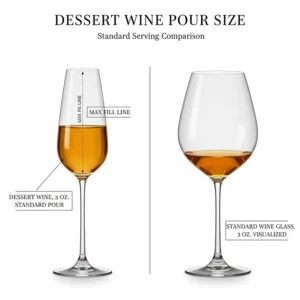
Forget the 5-6 ounce standard wine pour—dessert wines require restraint. Ideal serving sizes range from 2-4 ounces depending on alcohol content and sweetness level. Fill glasses to their widest point (typically one-third to half full) to allow proper aeration while concentrating aromatics at the narrow rim.
Remember: dessert wines pack concentrated flavor and higher alcohol. A 3-ounce pour of 20% ABV port delivers more alcohol than 5 ounces of 12% ABV table wine. Smaller pours encourage savoring rather than gulping, extending the enjoyment and preventing overconsumption.
Food Pairing Fundamentals
The classic pairing rule—wine should be sweeter than the dessert—prevents dessert from overwhelming the wine. However, modern sommeliers embrace contrast pairings that create exciting flavor interactions.
Blue Cheese and Port: The salty, pungent cheese contrasts beautifully with port’s sweet fruit, creating one of gastronomy’s perfect marriages.
Dark Chocolate and Banyuls: This French fortified wine’s red fruit flavors complement chocolate’s bitterness without clashing.
Sauternes and Foie Gras: Rich, savory foie gras finds its match in Sauternes’ honeyed sweetness—an iconic French pairing.
Madeira and Nuts: Madeira’s nutty oxidative flavors harmonize with toasted almonds, hazelnuts, and pecans.
Ice Wine and Fresh Fruit: The wine’s intense sweetness elevates simple fruit desserts, particularly stone fruits and berries.
✨ Don’t Miss These Exclusive Deals!
🔍 Take your dessert wine enjoyment to the next level with these carefully selected products. Click on any highlighted item to check current pricing and availability. These tools will help you create authentic after-dinner experiences your guests will remember!
Common Dessert Wine Glass Mistakes to Avoid
Overfilling Glasses
The most common error beginners make is treating dessert wine glasses like standard wine glasses. Filling a 7-ounce port glass to the brim creates three problems: insufficient aroma concentration, temperature control difficulty, and excessive alcohol consumption. Fill to the widest point of the bowl—typically one-third to half capacity—for optimal enjoyment.
Using Regular Wine Glasses
Standard 12-15 ounce wine glasses disperse aromatics over too large a surface area, weakening the concentrated bouquet that makes dessert wines special. The wider rim also fails to direct wine to optimal palate positions. While you can technically serve port in any glass, you’ll miss the nuanced flavor layers that appropriate glassware reveals.
Ignoring Temperature Guidelines
Serving port at room temperature (a common misconception) emphasizes alcohol burn at the expense of fruit flavors. Conversely, over-chilling Sauternes mutes its honeyed aromatics. Invest in a simple wine thermometer or remember the refrigeration timing guidelines shared earlier to serve dessert wines at their best.
Dishwasher Disasters
Even “dishwasher-safe” crystal benefits from top-rack placement, low temperatures, and gentle detergents. Harsh chemicals and high heat gradually etch crystal surfaces, creating cloudiness that diminishes both appearance and resale value. Hand washing adds mere minutes to cleanup while preserving your investment for decades.
Storing Wines Improperly
Opening a $50 bottle of vintage port then storing it improperly wastes money and flavor. Most dessert wines last 1-4 weeks after opening when re-corked and refrigerated. Vacuum pumps extend this slightly, but fortified wines like port naturally resist oxidation better than table wines thanks to higher alcohol content. Track opening dates and consume within recommended windows.
Frequently Asked Questions
❓ What size glass is best for port wine?
❓ Can I use dessert wine glasses for regular wine?
❓ Are expensive dessert wine glasses worth the investment?
❓ How do I remove wine stains from crystal glasses?
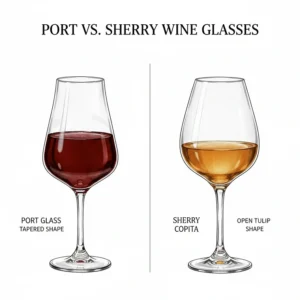
❓ What's the difference between port glasses and sherry glasses?
Conclusion: Elevating Your Dessert Wine Experience
Choosing the right dessert wine glasses transforms after-dinner sipping from routine to remarkable. Whether you’re drawn to the precision engineering of Riedel’s port glasses, the bullet-proof durability of Schott Zwiesel Tritan crystal, or the budget-friendly versatility of Libbey’s tasting glasses, the perfect option exists for your needs and preferences.
Remember these key takeaways: match glass size to wine style (6-8 oz for port and Sauternes, 3-5 oz for sherry and cordials), prioritize tulip shapes that concentrate aromatics, and don’t underestimate how proper glassware enhances your sensory experience. The $40-60 investment in quality dessert wine glasses pays dividends every time you uncork a special bottle, revealing flavor nuances that ordinary stemware conceals.
Start with a versatile 4-6 piece set that accommodates your most frequently enjoyed styles, then expand your collection as your palate develops and wine knowledge grows. Your future self—and your guests—will thank you for investing in glassware that does justice to those extraordinary fortified and sweet wines you’ve been collecting.
Recommended for You
- 7 Best Port Wine Glasses That Transform Your Sipping Experience (2026)
- 7 Best Chardonnay Wine Glass 2026 – Expert Picks & Buying Guide
- 7 Best Cabernet Sauvignon Wine Glasses That Elevate Every Sip 2026
Disclaimer: This article contains affiliate links. If you purchase products through these links, we may earn a small commission at no additional cost to you.
✨ Found this helpful? Share it with your friends! 💬🤗
