
In This Article
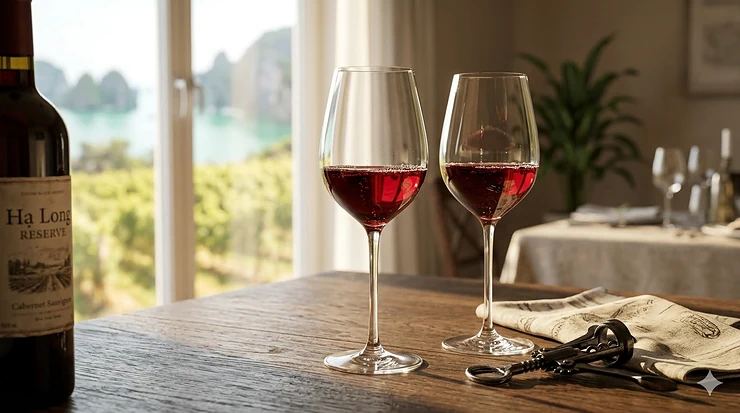
Picture this: you’re hosting a dinner party, and you pour a perfectly chilled Chardonnay into a gorgeous stemmed wine glass. Your guests admire the crystal clarity, the elegant silhouette, and when they take that first sip, the wine tastes exactly as the winemaker intended. That’s the magic of long stem wine glasses.
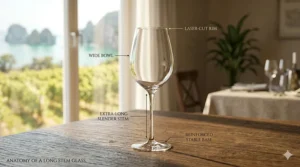
Unlike their stubby cousins or trendy stemless alternatives, long stem wine glasses aren’t just pretty faces at your table. They’re precision instruments designed over centuries to preserve wine temperature, enhance aromas, and deliver flavors directly to the right part of your palate. The elongated stem keeps your warm hands far from the chilled wine, while the traditional wine glass design allows for that sophisticated swirl that releases hidden aromatics.
Whether you’re searching for stemmed wine glasses to complete your formal dining glassware collection or looking to upgrade from basic tumblers, understanding what makes a great long-stemmed glass matters. I’ve tested dozens of options, from budget-friendly sets to premium crystal, and I’m here to share what actually works. In this comprehensive guide, you’ll discover the top seven long stem wine glasses available in 2026, learn the science behind why stems matter, and get insider tips on choosing glasses that’ll make every pour feel special.
Quick Comparison: Top Long Stem Wine Glasses at a Glance
| Product | Capacity | Material | Price Range | Best For | Rating |
|---|---|---|---|---|---|
| AILTEC Crystal Set | 19oz | Lead-Free Crystal | $30-40 | Everyday elegance | 4.7/5 |
| ELIXIR Square Glasses | 14oz | Crystal | $35-45 | Modern entertaining | 4.6/5 |
| Physkoa Modern Set | 21oz | Premium Crystal | $40-50 | Bold wine lovers | 4.5/5 |
| Libbey Kentfield Estate | 16oz | ClearFire Glass | $40-50 | American-made quality | 4.8/5 |
| Schott Zwiesel Forté | 13.6oz | Tritan Crystal | $80-100 | Professional use | 4.9/5 |
| JoyJolt Elle Fluted | 11.5oz | Premium Glass | $30-38 | White wines | 4.6/5 |
| LUNA & MANTHA | 14oz | Ultra-Thin Crystal | $45-55 | Wine enthusiasts | 4.7/5 |
💬 Just one click – help others make better buying decisions too! 😊
Top 7 Long Stem Wine Glasses: Expert Analysis
1. AILTEC Wine Glasses Set of 6 – Best Overall Value
When you want elegant wine glasses that don’t require a second mortgage, AILTEC delivers exactly what you need. This set of six 19oz stemmed wine glasses hits that sweet spot between affordability and quality that’s honestly hard to find.
Key Specifications:
- Capacity: 19 ounces per glass
- Material: Lead-free premium blown crystal glass
- Construction: Integrally formed with laser cold-cut rim
- Price: Approximately $30-40 for set of 6
What impressed me most was the ultra-thin, smooth rim created through laser cold-cutting technology. It’s not just marketing fluff – you can actually feel the difference when the wine hits your lips. The crystal clarity enhances the visual experience, letting you appreciate your wine’s color and legs properly.
Customer feedback consistently mentions how these traditional wine glass design pieces feel substantial without being heavy. One reviewer noted they’re perfect for both casual weeknight dinners and formal occasions, which honestly describes most people’s needs.
✅ Pros:
- Exceptional value for money
- Dishwasher safe for easy cleanup
- Gift packaging included
❌ Cons:
- Slightly larger capacity may overwhelm delicate whites
- Hand-blown means slight variations between glasses
Perfect for: Budget-conscious wine lovers who refuse to compromise on elegance.
2. ELIXIR GLASSWARE Square Wine Glasses – Most Unique Design
Tired of the same old bowl shapes? ELIXIR’s square design isn’t just eye candy – it’s actually functional. The 14oz capacity and unique modern shape make these conversation starters at any gathering.
Key Specifications:
- Capacity: 14 ounces
- Design: Square bowl with long stem
- Material: Lead-free crystal
- Price: Around $35-45 for set of 4
The square bowl creates more surface area for aeration compared to traditional rounds, which works beautifully for bold reds that need breathing room. The long stem maintains that crucial temperature barrier, keeping your Cabernet at its ideal 60-65°F serving temp.
Customers love how these formal dining glassware pieces photograph for Instagram-worthy table settings. Multiple reviews mention receiving compliments from dinner guests, which let’s be honest, is half the reason we buy nice glasses anyway.
✅ Pros:
- Unique aesthetic that stands out
- Enhanced aeration from square design
- Comes in attractive gift packaging
❌ Cons:
- Square shape may not suit traditional preferences
- Slightly harder to clean corners
Perfect for: Modern entertaining and those who appreciate contemporary design.
3. Physkoa Wine Glasses Set of 4 – Best for Full-Bodied Reds
If you’re serious about your Bordeaux, Malbec, or Cabernet, Physkoa’s oversized 21oz glasses give your wine the space it deserves. The flat bottom design adds stability while the extra-long stem (6 inches!) keeps your hands far from the bowl.
Key Specifications:
- Capacity: 21 ounces (super-sized)
- Stem Height: 6 inches
- Total Height: 9.5 inches
- Material: Hand-blown Italian-style crystal
- Price: $40-50 for set of 4
The supersize belly isn’t just for show. It creates what wine geeks call the “breathing chamber” – basically, more room for oxygen to interact with your wine’s compounds, softening tannins and opening up complex flavors. When you tap the rim, you get that satisfying crystal “ping” that indicates quality glassware.
Customer reviews consistently praise the weight and stability. Unlike typical hand-blown glasses that feel fragile, these have substance. One customer mentioned they survived a dishwasher accident that would’ve demolished thinner glasses.
✅ Pros:
- Massive capacity for bold wines
- Crystal sound resonance confirms authenticity
- Hand-blown Italian style with extra stability
❌ Cons:
- Large size may be overwhelming for smaller pours
- Takes up significant cabinet space
Perfect for: Red wine enthusiasts who want restaurant-quality glasses at home.
4. Libbey Signature Kentfield Estate – Best American-Made Option
There’s something satisfying about buying American-made products, especially when they’re this good. Libbey’s Kentfield Estate glasses combine 200 years of glassmaking expertise with modern ClearFire technology that’s both lead-free and BPA-free.
Key Specifications:
- Capacity: 16 ounces
- Height: 9 inches tall
- Diameter: 3.4 inches round
- Manufacturing: Made in USA via ClearFire process
- Price: $40-50 for set of 4
The classically curved bowl works equally well for reds and whites, which is exactly what you want in an all-purpose stemmed wine glass. Wirecutter praised these as the “everyday wine glass” back in 2017, and that recommendation still holds up in 2026.
What sets Libbey apart is durability meeting elegance. These are dishwasher-safe without the anxiety that usually comes with putting nice glasses in the machine. Customer feedback repeatedly mentions they feel premium but aren’t precious – you can actually use them instead of saving them for special occasions that never come.
✅ Pros:
- Made in USA with quality standards
- True all-purpose design for any wine
- Beautiful gift box presentation
❌ Cons:
- Mid-range pricing without premium features
- Standard design lacks “wow” factor
Perfect for: Supporting American manufacturing while getting reliable, versatile glasses.
5. Schott Zwiesel Forté Red Wine Glass – Premium Professional Choice
When sommeliers and wineries need glasses, they reach for Schott Zwiesel. The Forté collection represents German engineering applied to wine service, using patented Tritan crystal that’s practically indestructible.
Key Specifications:
- Capacity: 13.6 ounces
- Material: Tritan crystal (titanium and zirconium)
- Manufacturing: Machine-made in Germany
- Finish: Laser-polished rim
- Price: $80-100 for set of 6
Here’s what makes Tritan crystal special: instead of lead oxide (traditional crystal), they use titanium for strength and zirconium for brilliance. The result is glassware that’s more break-resistant than standard crystal, dishwasher-safe for thousands of cycles, and scratch-resistant. According to Wine Folly’s guide on wine glasses, proper glassware can dramatically affect your tasting experience, and Schott Zwiesel delivers on that promise.
The gracefully tapered bowl is specifically engineered for Burgundy-style wines, directing the full taste experience to your palate. Restaurants and hotels use these because they can withstand commercial dishwashers while maintaining that elegant appearance.
✅ Pros:
- Unmatched durability for crystal
- Professional-grade quality
- Dishwasher-safe for thousands of cycles
❌ Cons:
- Premium pricing
- Machine-made lacks hand-blown character
Perfect for: Serious wine collectors and those who entertain frequently.
6. JoyJolt Elle Fluted White Wine Glasses – Best for White Wines
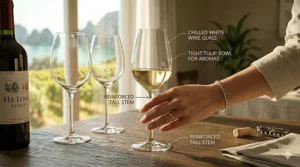
White wine deserves its own dedicated glasses, and JoyJolt’s Elle collection delivers vintage charm with modern functionality. The fluted design and 11.5oz capacity are perfectly sized for Chardonnay, Sauvignon Blanc, and Riesling.
Key Specifications:
- Capacity: 11.5 ounces
- Style: Fluted vintage design
- Set Size: 2 glasses
- Construction: Premium lead-free glass
- Price: $30-38 for set of 2
The textured fluting isn’t just decorative – it provides grip points and creates visual interest that catches light beautifully. The long stem is essential for white wines, which according to Wikipedia’s wine glass article, should be held by the stem to prevent hand warmth from raising the wine’s temperature above its ideal 45-55°F serving range.
Customers love the modern vintage aesthetic – think 1960s glam meets contemporary table settings. The limited one-year warranty and gift box packaging make these an excellent choice for wedding gifts or housewarming presents.
✅ Pros:
- Perfect sizing for white wine pours
- Vintage aesthetic with contemporary quality
- Gift-ready packaging
❌ Cons:
- Only 2 glasses per set
- Fluting may complicate cleaning
Perfect for: White wine enthusiasts and vintage décor lovers.
7. LUNA & MANTHA Red Wine Glasses – Best Hand-Blown Crystal
When you want glasses that feel like art pieces, LUNA & MANTHA (from the OJA brand) delivers museum-quality craftsmanship. These 14oz hand-blown glasses go through 27 meticulous processes by craftsmen with over 12 years of experience.
Key Specifications:
- Capacity: 14 ounces
- Rim Thickness: Ultra-thin (0.8mm)
- Stem Length: 4.75 inches
- Construction: 27-step hand-blown process
- Certification: European certified
- Price: $45-55 for set of 6
The ultra-thin 0.8mm rim is so delicate it practically disappears when you sip, creating what customers describe as “drinking wine from air.” The seamless pulled stem (no joint between stem and bowl) is a hallmark of quality craftsmanship that you can actually feel in your hand.
European certification ensures these use premium titanium crystal that produces that distinctive resonant sound when tapped. Customer reviews consistently mention the “church bell” tone quality, which is a genuine indicator of crystal authenticity.
✅ Pros:
- Museum-quality hand-blown craftsmanship
- Ultra-thin rim enhances tasting
- Seamless stem-to-bowl construction
❌ Cons:
- Delicate construction requires careful handling
- Premium pricing for hand-crafted quality
Perfect for: Wine connoisseurs who appreciate artisan craftsmanship.
✨ Don’t Miss These Exclusive Deals!
🔍 Take your wine experience to the next level with these carefully selected products. Click on any highlighted item to check current pricing and availability. These elegant wine glasses will help you create authentic wine-tasting moments your friends and family will remember!
Understanding Long Stem Wine Glasses: The Science Behind the Elegance
Ever wondered why wine glasses evolved to have those distinctive long stems? It’s not just about looking fancy at dinner parties. The stem serves three critical functions that directly impact your wine-drinking experience.
Temperature control sits at the top of the list. When you cradle a bowl of wine in your warm hands, your body heat (typically around 98.6°F) transfers directly to the liquid. That might sound minor, but wine is incredibly temperature-sensitive. A Chardonnay that’s perfect at 50°F turns flat and flabby at 65°F. According to Wikipedia’s comprehensive wine glass article, holding a wine glass by the stem prevents warming the wine and avoids smudging the bowl, preserving both the ideal serving temperature and the glass’s pristine appearance.
The stem also enables proper swirling technique. You’re not just being pretentious when you swirl wine – you’re actually releasing volatile aromatic compounds that were trapped in the liquid. Try swirling a stemless glass sometime; it’s awkward and requires moving your entire hand and wrist. A stemmed glass lets you place two fingers on the base and create tight, controlled circles that agitate the wine efficiently without looking like you’re conducting an orchestra.
Finally, there’s the aesthetic factor. Traditional wine glass design elevates the entire dining experience. Your table looks more sophisticated, your guests feel special, and honestly, wine just tastes better when served properly. It’s similar to why food tastes better on nice plates than paper – presentation matters to our perception.
The historical origins trace back to 15th-century Venice, where glassmakers on the island of Murano created cristallo glass, the first colorless glass. The basic form borrowed from religious chalices: bowl, stem, and base. This architecture has survived for over 500 years because it works. Modern variations exist (hello, stemless glasses), but the classic long stem remains the gold standard for serious wine service.
How Temperature Affects Your Wine (And Why Stems Matter)
Temperature isn’t just about comfort – it’s chemistry. Wine contains hundreds of volatile compounds that behave differently at various temperatures, affecting what you smell and taste.
For red wines, the ideal serving temperature ranges from 55-65°F, depending on the body. Wine Folly’s temperature guide notes that bold red wines should be served “slightly cool” between 60–68°F, which is actually below typical room temperature. When reds get too warm (above 70°F), the alcohol becomes more prominent, creating a harsh, burning sensation that masks the fruit flavors. Too cold (below 50°F), and tannins taste astringent and bitter.
White wines need even cooler temperatures. Light-bodied whites like Sauvignon Blanc shine at 45-50°F, while fuller-bodied whites like oaked Chardonnay prefer 50-55°F. At these temperatures, acidity feels crisp and refreshing rather than sharp or dull.
Here’s where your hand becomes the enemy. Human body heat averages 98.6°F. When you cup a bowl of wine at 50°F, heat transfer begins immediately. Within 10 minutes of cupping the bowl, a chilled white wine can warm up 15-20 degrees, completely altering its flavor profile.
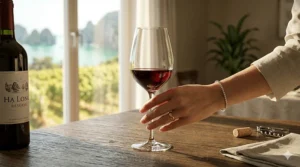
The solution? Hold that stem. Keeping your hand several inches away from the liquid creates an insulation barrier. Your body heat still affects the base and stem, but the impact on the wine itself becomes negligible. This is why professional sommeliers always hold glasses by the stem – it’s not pretension, it’s preservation.
For formal dining glassware, this becomes even more critical when you’re serving multiple wines throughout a meal. You want each glass to maintain its specific temperature from pour to finish, showcasing the wine exactly as intended.
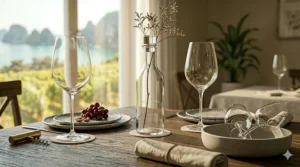
Materials Matter: Crystal vs. Glass in Stemmed Wine Glasses
Walk into any glassware section and you’ll see both “crystal wine glasses” and “wine glasses” with wildly different price tags. What’s the actual difference, and does it matter?
Traditional crystal contains lead oxide, which gives it exceptional clarity, weight, and that satisfying “ping” when tapped. Lead crystal can be blown thinner than regular glass while maintaining strength, creating delicate rims that feel almost non-existent on your lips. This thinness matters because a thick rim disrupts wine flow, sending liquid to the wrong parts of your palate and affecting taste perception.
However, lead raises health concerns. While the lead in crystal doesn’t leach significantly during normal use, many manufacturers now produce lead-free alternatives. Premium brands like Schott Zwiesel use “Tritan crystal” – a proprietary formula replacing lead oxide with titanium and zirconium. You get similar optical properties (brilliance, clarity, weight) without health worries.
Standard soda-lime glass is what most affordable wine glasses use. It’s durable, dishwasher-safe, and perfectly functional. The tradeoff? Glasses must be thicker to maintain strength, which slightly affects the drinking experience. For everyday use and casual entertaining, quality glass works beautifully. You lose some of that luxury feel, but gain practicality and affordability.
Hand-blown versus machine-made adds another layer. Hand-blown stemmed wine glasses showcase artisan skill, with each piece being slightly unique. The glass can be stretched incredibly thin, especially at the rim. Machine-made glasses offer consistency and lower prices but can’t quite match the delicacy of skilled hand-blowing.
For most people, the sweet spot is lead-free crystal that’s either machine-made or a hybrid (hand-blown bowl, machine-made stem). You get 90% of the experience at 60% of the cost.
Choosing the Right Bowl Shape for Your Favorite Wines
Not all wine glasses are created equal, even among long stem designs. The bowl shape dramatically affects how wine hits your palate and which aromas reach your nose.
Red Wine Bowls: Generally larger and rounder, providing surface area for oxidation. Bold reds like Cabernet Sauvignon benefit from Bordeaux-style glasses – tall with a broad bowl that directs wine to the back of your mouth, minimizing acidity perception. Burgundy glasses feature even wider bowls for Pinot Noir, allowing delicate aromas to collect before reaching your nose.
White Wine Bowls: Smaller and more U-shaped to maintain cooler temperatures and direct wine to the tongue’s tip and sides, where sweetness and acidity receptors live. The narrower opening also preserves those fleeting floral aromatics that define wines like Riesling and Sauvignon Blanc.
Universal Bowls: All-purpose glasses split the difference, working adequately for both reds and whites. They’re perfect for casual entertaining when you don’t want to juggle multiple glass types. The Libbey Kentfield Estate set reviewed earlier exemplifies this category beautifully.
Specialized Shapes: Square bowls (like the ELIXIR set) increase surface area for aeration while adding visual interest. Fluted designs (like JoyJolt Elle) create texture and light play that enhances the aesthetic experience.
The rim diameter matters too. Wider rims allow wine to spread across your palate, ideal for complex wines with multiple flavor layers. Narrower rims concentrate wine to specific taste zones, perfect for wines where you want to highlight particular characteristics.
For building your collection, start with a quality all-purpose set, then add specialized shapes as you discover which wines you drink most often.
Caring for Your Long Stem Wine Glasses: Do’s and Don’ts
You’ve invested in beautiful stemmed wine glasses – now let’s keep them that way. Proper care extends their lifespan from months to decades.
The Dishwasher Debate: Many modern glasses claim dishwasher-safety, but proceed cautiously. If you choose this route, always use the top rack, select a gentle cycle, and avoid high-heat drying. The intense heat can etch glass over time, creating a cloudy appearance that never goes away. Premium brands like Schott Zwiesel specifically engineer dishwasher durability, but even they recommend careful loading to prevent glasses from touching and chipping.
Hand Washing Best Practices: Use warm (not hot) water with mild dish soap. Never use abrasive sponges – they create microscopic scratches that dull clarity. Instead, use a soft cloth or dedicated glass-washing brush. Wash the bowl first, then the stem and base. Rinse thoroughly; soap residue affects wine flavor and creates spots.
The Drying Dilemma: Air-drying invites water spots. Instead, use a lint-free microfiber cloth, polishing in a gentle circular motion. For the bowl interior, slide your hand inside the cloth to avoid applying pressure to the rim, which is the most fragile point.
Storage Solutions: Never stack wine glasses bowl-to-bowl; this is how stems snap. Instead, store them upright on shelf liners that prevent sliding. If hanging glasses upside down on a rack, ensure the rim doesn’t bear the full weight, which can cause warping over time. Some experts recommend rotating stored glasses monthly to prevent pressure spots.
Removing Stubborn Stains: Red wine rings happen. For fresh stains, a paste of baking soda and water works wonders. For set-in stains, fill the glass with warm water and drop in a denture-cleaning tablet overnight. Rinse thoroughly. Never use bleach or harsh chemicals – they can interact with crystal and cause permanent damage.
The White Glove Test: Hold your glass up to light occasionally. If you see cloudiness, try soaking in a vinegar-water solution (1:4 ratio) for 30 minutes. This removes hard water deposits that dishwashing creates.
Your formal dining glassware deserves this care. Treat each glass as a precision instrument for wine service, and they’ll reward you with years of elegant entertaining.
The Stem Length Sweet Spot: Finding Your Perfect Height
Not all stems are created equal. Wine glass stems typically range from 3 to 7 inches, and that variation isn’t arbitrary – it affects both functionality and aesthetics.
Short Stems (3-4 inches): Offer greater stability with a lower center of gravity. They’re harder to knock over during animated dinner conversations and easier to store in standard cabinets. The tradeoff? Less distance between your hand and the wine, meaning faster temperature transfer. Short stems work well for red wines that don’t require aggressive temperature control and for casual settings where durability matters more than precision.
Medium Stems (4-6 inches): Hit the Goldilocks zone for most wine drinkers. They provide adequate temperature protection while remaining manageable. The LUNA & MANTHA glasses with their 4.75-inch stems exemplify this balanced approach. You can swirl elegantly, your hand stays comfortable, and the glass maintains stability on the table.
Extra-Long Stems (6+ inches): Maximum temperature isolation and show-stopping elegance. The Physkoa set’s 6-inch stems keep your hand impressively distant from the wine, perfect for delicate whites and sparklings that must stay cold. However, they’re more prone to tipping and require dedicated storage space. They’re also spectacular for formal events where visual impact matters.
The bowl-to-stem proportion matters as much as absolute length. A massive 21oz bowl on a 3-inch stem looks awkward and tips easily. Conversely, a small 10oz bowl on a 7-inch stem seems imbalanced. Quality manufacturers engineer these proportions mathematically to create glasses that feel natural in your hand.
For everyday use, aim for 4-6 inch stems. They’re practical enough for regular use while sophisticated enough for special occasions. Save the extra-long stems for showcase pieces you’ll use when presentation takes priority over practicality.
Stemmed vs. Stemless: When Each Style Makes Sense
The stemless wine glass trend exploded in the 2000s and shows no signs of disappearing. So when should you choose stemless over traditional stemmed wine glasses?
Stemless Advantages: Lower center of gravity makes them virtually tip-proof – a godsend around children, pets, or enthusiastic gesturers. They stack efficiently in cabinets and dishwashers. They also feel less formal, which works beautifully for casual entertaining, picnics, or poolside wine sessions. Plus, they’re generally more affordable.
When Stemless Fails: Temperature control disappears. Your warm hand directly contacts the bowl, warming chilled wines rapidly. You also can’t swirl effectively without awkward hand movements. And let’s be honest – they lack the elegance that makes wine service special.
The Compromise Position: Own both. Use elegant wine glasses with long stems for planned dinners, wine tastings, and occasions when you want to honor the wine. Pull out stemless for casual gatherings, outdoor events, and everyday sipping where practicality trumps formality.
Professional Perspective: Sommeliers and wine professionals overwhelmingly prefer stemmed glasses. The temperature control alone makes stems non-negotiable for serious tasting. When you’re evaluating a $100 bottle of wine, the last thing you want is your hand temperature interfering with the winemaker’s carefully calibrated balance.
The Middle Ground: Some manufacturers now produce “short-stem” designs that split the difference – stems just long enough to provide grip and some temperature isolation, but short enough to maintain stability and casual vibes.
Your drinking context should guide the decision. Formal dinner party with white tablecloths? Stemmed glasses, absolutely. Friday night Netflix session? Stemless works fine. Wine tasting event? Stems only. Backyard BBQ? Stemless prevents disaster.
Think of it this way: stemless glasses are wine’s equivalent of casual Friday. They’re appropriate in certain contexts, but you still need the traditional version for when the occasion demands it.

Pairing Glass Size with Wine Types and Pour Quantities
Here’s something many new wine enthusiasts get wrong: filling the glass to the top. Restaurant servers know that perfect pour sizes vary dramatically based on glass capacity and wine type.
The Universal Rule: Fill wine glasses one-quarter to one-third full. This leaves room for aromatics to collect in the bowl’s upper portion while preventing spills during swirling. A 16oz glass should receive a 4-5oz pour, not a 12oz pour.
Red Wine Pours: Typically 5-6 ounces in larger 16-20oz glasses. The generous bowl size allows reds to breathe while the modest pour prevents waste if the wine oxidizes too quickly. Bold reds benefit from larger bowls (18-22oz capacity) even though the actual pour remains standard.
White Wine Pours: Generally 4-5 ounces in smaller 10-14oz glasses. The reduced surface area helps maintain cooler temperatures throughout drinking. The JoyJolt Elle 11.5oz glasses perfectly exemplify proper white wine proportions.
Oversized Glass Philosophy: Large-capacity glasses (20oz+) aren’t about pouring more wine – they’re about providing breathing room. The Physkoa 21oz glasses give big reds like Malbec and Cabernet the oxygen exposure they crave while still receiving standard 5-6oz pours.
The Math Behind It: A standard 750ml wine bottle contains approximately 25 ounces. At 5oz per pour, that’s exactly five glasses – perfect for a four-person dinner with one glass left for the cook. Understanding this math helps with party planning and prevents that awkward “we’re one glass short” moment.
Fortified and Dessert Wines: Smaller pours (2-3oz) in smaller glasses reflect higher alcohol content and intensity. If you’re serving Port or Sauternes in your regular long stem wine glasses, significantly reduce the pour to avoid overwhelming sweetness or alcohol.
The Aesthetic Factor: Properly poured wine looks elegant. An overfilled glass appears amateurish and prevents proper enjoyment. An underfilled glass seems stingy. That one-third fill line represents centuries of wine service evolution reaching the optimal balance.
Building Your Wine Glass Collection: Start Smart, Expand Strategically
You don’t need fifteen types of glasses cluttering your cabinets. Here’s how to build a functional collection that grows with your wine knowledge.
Foundation Layer (Sets of 4-6): Start with quality all-purpose stemmed wine glasses in the 14-16oz range. The Libbey Kentfield Estate or AILTEC sets work beautifully here. These handle 80% of wines you’ll encounter and look appropriate at any event. Get two sets if you entertain frequently.
Specialization Layer (Sets of 2-4): Once your foundation is solid, add glasses specific to your preferred wine styles. Red wine enthusiasts should invest in proper Bordeaux or Burgundy glasses. White wine lovers benefit from dedicated white wine stems. The JoyJolt Elle set makes sense here if Chardonnay is your thing.
Occasion Layer (Sets of 2-6): These are your showpieces for special events. Premium crystal like Schott Zwiesel or hand-blown artisan pieces like LUNA & MANTHA elevate important celebrations. Think anniversaries, holiday dinners, or impressing your boss.
Budget Allocation: Spend 60% of your budget on your foundation set – these are workhorses that see daily use. Allocate 25% to specialization glasses and 15% to premium pieces you’ll use sparingly but cherish forever.
The Replacement Reality: Glasses break. Accept this now. Budget for replacing 10-20% of your collection annually, more if you entertain frequently or have young kids. Having backups of your foundation glasses prevents panic when one shatters before dinner guests arrive.
Mix-and-Match Strategy: Your formal dining glassware doesn’t need to match perfectly. A unified style (all long stem, all crystal) creates cohesion even when exact patterns differ. This approach lets you add pieces over time without replacing entire sets.
Storage Planning: Before buying, confirm you have proper storage. Stemmed glasses need more cabinet space than stemless. Consider a wine glass rack if cabinet space is limited – just ensure it protects glasses from dust and chips.
Start with eight quality all-purpose glasses (enough for four guests plus four backup). Add from there as budget and interest allow. Twenty years from now, you’ll have accumulated a collection that reflects your wine journey.
Common Wine Glass Mistakes (And How to Avoid Them)
Even experienced wine lovers make these errors. Let’s fix them.
Mistake #1: Overfilling Glasses – We’ve covered this, but it bears repeating. That “generous” pour actually strangles the wine by preventing aroma development and making swirling impossible. Stick to one-third full maximum.
Mistake #2: Cupping the Bowl – Your warm hands are the enemy of proper wine temperature. Always hold glasses by the stem unless you specifically want to warm a too-cold red wine (which rarely happens with proper serving temperature).
Mistake #3: Using Red Wine Glasses for White – While all-purpose glasses exist, using a giant Bordeaux bowl for delicate Pinot Grigio overwhelms the wine’s subtle characteristics and warms it too quickly. Bowl size should match wine intensity.
Mistake #4: Dishwasher Disasters – High heat and harsh detergents gradually destroy glass clarity. Even “dishwasher-safe” glasses benefit from hand washing. If you must use the dishwasher, select the gentlest cycle and skip the heated dry.
Mistake #5: Ignoring the Nose – Those aromatic compounds in the glass’s upper bowl? They’re 60% of your tasting experience. Inhale deeply before sipping. If your glass is overfilled or poorly shaped, you’re missing half the wine.
Mistake #6: Same-Day Party Prep – Washing glasses the morning of your dinner party invites disaster. Soap residue, water spots, and streaks take time to fix. Prep glassware at least a day ahead, polish, and cover with clean cloths until needed.
Mistake #7: Storing Glasses Bowl-Down – This seems protective but traps moisture and odors. Store glasses upright on clean surfaces, or invest in a rack designed for stemware.
Mistake #8: Chilling Glasses – Unlike beer steins, wine glasses shouldn’t be chilled. Condensation forms on cold glass, diluting wine and obscuring clarity. Room temperature glasses are perfect.
Mistake #9: Using the Same Glass for Multiple Wines – During tastings, either have multiple glasses per person or rinse between wines with water. Residual Chardonnay ruins your Pinot Noir experience.
Mistake #10: Neglecting Regular Replacement – Glasses develop microscopic chips, scratches, and etching over years. Inspect your collection annually and retire damaged glasses. They’re not heirlooms; they’re tools that need replacement when performance degrades.
Frequently Asked Questions About Long Stem Wine Glasses
❓ How long should wine glass stems be for optimal temperature control?
❓ Can you put long stem wine glasses in the dishwasher safely?
❓ What's the difference between lead crystal and lead-free crystal wine glasses?
❓ How many ounces should you pour in a long stem wine glass?
❓ Do long stem wine glasses really improve wine taste compared to stemless?
Conclusion: Elevating Your Wine Experience Starts with the Right Glass
The journey to finding perfect long stem wine glasses doesn’t have to be complicated. Whether you’re drawn to the value proposition of AILTEC’s crystal set, the modern sophistication of ELIXIR’s square design, or the professional-grade engineering of Schott Zwiesel, there’s a perfect match for your needs and budget.
Remember that elegant wine glasses aren’t just about aesthetics – they’re functional tools that preserve wine temperature, enhance aromatics, and deliver flavors to your palate as winemakers intended. The stem isn’t decorative; it’s deliberate design refined over centuries.
Start with a quality foundation set of all-purpose stemmed wine glasses, then expand strategically as your wine preferences become clearer. Invest in proper care (hand washing, careful storage, regular polishing) to protect your investment. And most importantly, actually use these glasses rather than saving them for special occasions that never materialize.
Your wine tastes better in the right glass. It’s not snobbery; it’s science backed by hundreds of years of traditional wine glass design evolution. Whether you’re pouring a $10 bottle or a $100 vintage, serving it in quality long stem wine glasses shows respect for the winemaker’s craft and elevates your entire experience.
Now go forth and swirl with confidence. Your perfectly chilled Chardonnay is waiting in a glass that actually deserves it.
Recommended for You
- 7 Best French Bistro Stemless Wine Glasses 2026
- 7 Best Recycled Stemless Wine Glasses That Save Planet (2026)
- 7 Best Stemless Wine Glasses Bulk for Events 2026
Disclaimer: This article contains affiliate links. If you purchase products through these links, we may earn a small commission at no additional cost to you.
✨ Found this helpful? Share it with your friends! 💬🤗
