
In This Article
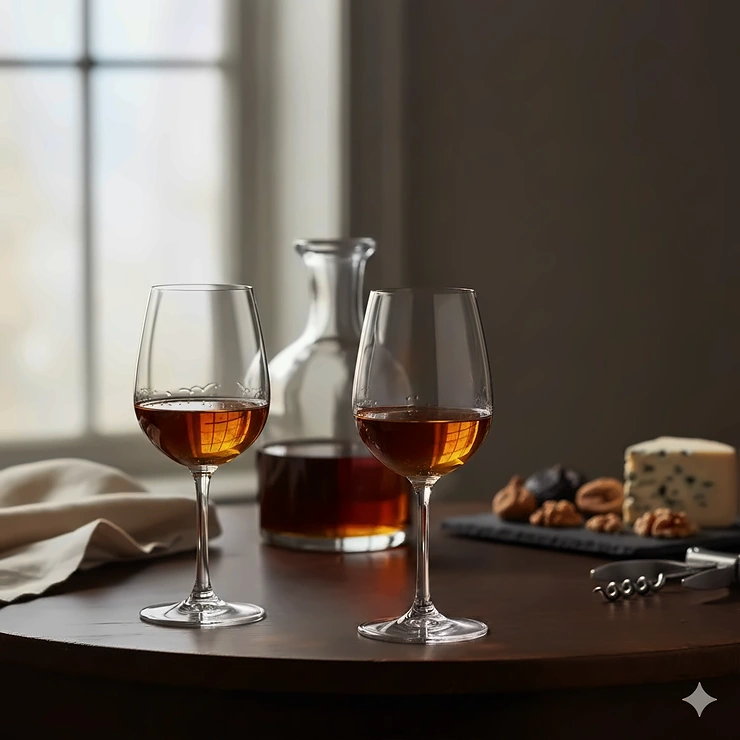
Picture this: you’ve just uncorked a bottle of aged Tawny Port from Portugal’s legendary Douro Valley, only to pour it into a regular wine glass. The complex aromas dissipate before reaching your nose, and the sweet, rich flavors feel… muted. Sound familiar? You’re not alone.
Here’s the thing about port wine glasses—they’re not just fancy accessories for wine snobs. These small wine glasses are specifically engineered to concentrate the aromatic bouquet of fortified wines, directing those lush notes of dried fruit, caramel, and spice straight to your senses. Think of them as megaphones for your Port’s personality.
I’ve spent years exploring wine glasses port enthusiasts swear by, from budget-friendly crystal sippers to premium hand-blown masterpieces. Whether you’re savoring a Ruby Port after dinner or hosting a dessert wine serving event, the right glassware elevates the entire experience. In this guide, I’ll walk you through everything you need to know about choosing the perfect glasses for port wine—from understanding what makes them unique to finding options that fit your budget and style. Ready to transform your Port-drinking ritual? Let’s dive in!
Quick Comparison Table
| Product | Capacity | Set Size | Material | Price Range | Best For |
|---|---|---|---|---|---|
| Riedel Vinum Port | 8.5 oz | 2 glasses | Lead Crystal | $$$$ | Premium collectors |
| Schott Zwiesel Bar Special | 8 oz | 6 glasses | Tritan Crystal | $$$ | Entertaining guests |
| Glassique Cadeau Port (4pc) | 7 oz | 4 glasses | Lead-Free Crystal | $$ | Gift-giving |
| Physkoa Port Wine Glasses | 7 oz | 4 glasses | Lead-Free Crystal | $ | Budget-conscious |
| True Douro Port Sippers | 3 oz | 4 glasses | Glass | $$ | Unique experience |
| Glassique Cadeau (6pc) | 7 oz | 6 glasses | Lead-Free Crystal | $$$ | Wine parties |
| Crystal Sherry Long Stem | 3.7 oz | 4 glasses | Crystal | $$ | Elegant occasions |
💬 Just one click – help others make better buying decisions too! 😊
✨ Don’t Miss These Exclusive Deals!
🔍 Take your fortified wine glasses experience to the next level with these carefully selected products. Click on any highlighted item to check current pricing and availability. These tools will help you create authentic dessert wine serving moments your family will love!
Top 7 Port Wine Glasses: Expert Analysis
1. Riedel Vinum Port Wine Glasses (Set of 2)
When you think premium glassware, you think Riedel—and their Vinum series doesn’t disappoint. These Riedel Vinum Port Wine Glasses represent 300 years of Austrian craftsmanship refined through decades of wine expert collaboration.
Key Specifications:
- Capacity: 8.5 oz
- Height: 6.5 inches
- Machine-blown lead crystal
- Dishwasher safe
What makes these glasses special is their larger bowl compared to traditional port wine glass designs. This extra space allows for a proper swirl, releasing those hidden aromatics that cheaper glasses trap. The teardrop shape was specifically chosen by port experts during blind tastings in London and Austria—so you’re literally drinking from the same design professionals prefer.
Customer Feedback: Wine enthusiasts consistently praise the elegant feel and perfect weight distribution. One reviewer mentioned these glasses made their 20-year-old Vintage Port “sing like never before.”
✅ Pros:
- World-renowned varietal-specific design
- Generous 8.5 oz capacity
- Enhances both aroma and taste
❌ Cons:
- Premium price point ($80-$120 for 2)
- Delicate—handle with care
Price Range: $80-$120 | Best For: Serious Port collectors and special occasions
2. Schott Zwiesel Bar Special Port Wine Glass (Set of 6)
German engineering meets wine appreciation in these Schott Zwiesel Bar Special glasses. If you’re hosting dinners or building your home bar, this 6-piece set delivers incredible value without compromising quality.
Key Specifications:
- Capacity: 8 oz
- Height: 6.6 inches
- Patented Tritan crystal glass
- Dishwasher-safe, scratch-resistant
The quadrilateral stem isn’t just for show—it features a subtle dimple that encourages proper grip positioning. Made from Tritan crystal (a blend of titanium oxide and zirconium oxide), these glasses resist chips, scratches, and thermal shock better than traditional crystal. That means you can actually use them regularly without paranoia.
Customer Feedback: Buyers love the durability and note that even after hundreds of dishwasher cycles, the glasses maintain their brilliance. Restaurant owners frequently choose this model for their wine programs.
✅ Pros:
- Approved by Portugal’s Port Wine Institute (IVDP)
- Incredibly durable Tritan crystal
- Set of 6 for entertaining
❌ Cons:
- Slightly heavier than hand-blown options
- Modern aesthetic may not suit traditional tastes
Price Range: $55-$75 | Best For: Frequent entertainers and everyday luxury
3. Glassique Cadeau Port and Dessert Wine Glasses (Set of 4)
If you’re searching for that sweet spot between quality and affordability, these Glassique Cadeau Port glasses nail it. This Scandinavian brand has built a reputation for delivering exceptional tasting glasses in signature gift boxes.
Key Specifications:
- Capacity: 7 oz
- Height: 5.9 inches
- Lead-free crystal, hand-blown
- Traditional tulip shape
The traditional tulip shape does exactly what it’s supposed to—captures those enticing sweet grape aromas and focuses them toward your nose. Fill to the widest part (about 3-4 oz) and you’ll experience Ruby, Tawny, or Vintage Port the way winemakers intended. The seamless construction and hand-polished rim feel premium without the premium price.
Customer Feedback: The luxurious gift box is a standout feature. One reviewer called it “the most beautiful gift packaging I’ve ever seen for glassware,” with fabric lining and port-serving tips printed on the back.
✅ Pros:
- Stunning gift presentation
- Meets ISO/INAO wine-tasting standards
- Dishwasher safe despite artisanal quality
❌ Cons:
- Some users wish they felt more substantial
- Made in China (not EU)
Price Range: $40-$50 | Best For: Thoughtful gifts and home wine tastings
4. Physkoa Port Wine Glasses (Set of 4)
Don’t let the budget-friendly price fool you—these Physkoa Port Wine Glasses punch way above their weight class. Perfect for anyone building their glassware collection or wanting quality without breaking the bank.
Key Specifications:
- Capacity: 7 oz
- Height: 5.9 inches
- Lead-free crystal
- Hand-blown construction
Physkoa has become a go-to brand for affordable crystal stemware, and their port wine glass design follows the same winning formula. The tulip shape enhances sweet and fruity aromas, while the short stem prevents unnecessary warming from your hands. These glasses meet international wine-tasting standards, making them suitable for both casual sipping and semi-professional evaluations.
Customer Feedback: Buyers consistently mention excellent value. Several noted these perform comparably to glasses costing 2-3 times more. The seamless design and thin rim get particular praise.
✅ Pros:
- Exceptional value for money
- Lead-free crystal construction
- Dishwasher safe convenience
❌ Cons:
- Basic packaging (not gift-ready)
- Lighter weight than premium brands
Price Range: $25-$35 | Best For: Budget-conscious wine lovers and everyday use
5. True Douro Port Sippers (Set of 4)
Now for something completely different. These True Douro Port Sippers feature a built-in straw that draws wine from the glass bottom—quirky, functional, and conversation-starting all at once.
Key Specifications:
- Capacity: 3 oz
- Handcrafted glass
- Built-in straw design
- Unique footed base
The built-in straw isn’t a gimmick—it serves a purpose. By drawing Port from the bottom, you minimize oxidation exposure, preserving more intense flavors. The glass balances on two feet plus the straw base, creating that whimsical “upright critter” silhouette. It’s undeniably fun while maintaining functionality.
Customer Feedback: Wine enthusiasts describe these as perfect icebreakers for dinner parties. One user mentioned guests always ask about them, leading to great conversations about Port culture.
✅ Pros:
- Reduces over-oxidation of fine Port
- Memorable design sparks conversation
- Perfect 3 oz serving size
❌ Cons:
- Hand-wash only recommended
- Unconventional style won’t suit everyone
Price Range: $30-$40 | Best For: Adventurous collectors and conversation starters
6. Glassique Cadeau Port Wine Glasses (Set of 6)
If you loved the 4-piece Glassique Cadeau set but need more glasses for regular entertaining, the 6-piece version is your answer. Same exceptional quality, more capacity for guests.
Key Specifications:
- Capacity: 7 oz
- Height: 5.9 inches
- Lead-free crystal
- Tulip-shaped copitas
Everything that makes the 4-piece set excellent applies here—traditional tulip shape, seamless hand-blown construction, and that gorgeous gift box with port-serving education on the back. The advantage? You can accommodate more guests or have backup glasses for breakage (let’s be real, it happens).
Customer Feedback: Regular entertainers appreciate having 6 matching glasses. One reviewer hosts monthly Port tastings and says this set handles everything from intimate gatherings to small parties.
✅ Pros:
- Accommodates larger gatherings
- Same premium quality as 4-piece set
- Educational gift box features
❌ Cons:
- Higher initial investment
- Delicate enough to require careful handling
Price Range: $55-$70 | Best For: Regular hosts and Port enthusiasts
7. Crystal Sherry, Sweet Port and Dessert Wine Glasses (Set of 4)
Rounding out our list are these elegant long-stemmed beauties designed for sherry, sweet port wine glass service, and dessert wines. The classic schooner style brings Old World sophistication to your table.
Key Specifications:
- Capacity: 3.7 oz
- Height: 6.5 inches
- Hand-blown crystal
- Long twisting stem
Named after the British ships that transported fortified wine from Spain, these schooner-style glasses feature gently flaring bowls that allow optimal surface aeration. The tall twisting stem looks stunning and keeps drinks cool by creating distance from your hand’s warmth. Award-winning glass masters created these with hand-polished rims for the smoothest sipping experience.
Customer Feedback: Users rave about the “wow factor” and unique stem design. The beautiful packaging makes these a standout gift option. One reviewer noted they’re “insanely gorgeous” despite the small 3.7 oz capacity.
✅ Pros:
- Timeless elegant design
- Versatile for multiple fortified wines
- Exceptional gift presentation
❌ Cons:
- Smaller capacity limits serving options
- Hand-wash recommended for longevity
Price Range: $45-$55 | Best For: Traditionalists and elegant entertaining
✨ Don’t Miss These Exclusive Deals!
🔍 Take your fortified wine glasses game to the next level with these carefully selected products. Click on any highlighted item to check current pricing and availability on Amazon. These beautifully crafted glasses will help you create authentic dessert wine serving experiences your guests will remember!
What is Port Wine? A Brief Introduction
Port wine is a sweet, fortified wine that hails exclusively from Portugal’s spectacular Douro Valley. This isn’t just any wine region—the Douro was defined and protected way back in 1756, making it the world’s third oldest wine appellation after Chianti and Tokaj.
Here’s what makes Port special: during fermentation, winemakers add grape spirit (a neutral brandy called aguardente) which stops the fermentation process. This leaves natural sugars in the wine while boosting alcohol content to around 19-20%. The result? A rich, sweet wine with incredible aging potential.
According to Wikipedia, Port gets its name from the seaport city of Porto at the mouth of the Douro River, where the wine was historically brought to market and exported throughout Europe. The British played a huge role in popularizing Port during the 17th century when trade wars with France forced them to seek alternative wine sources.
Today, under European Union Protected Designation of Origin guidelines, only wines produced in Portugal can legally be labeled “Port”—though you’ll find Port-style wines made in Australia, South Africa, and California.
Understanding Port Wine Glass Design
Why Size Matters for Fortified Wines
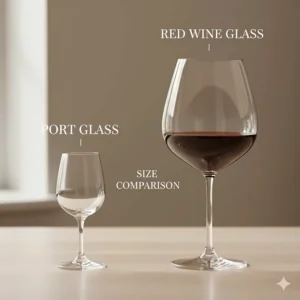
You’ve probably noticed that port wine glasses are smaller than standard wine glasses—and there’s solid science behind this. Port typically contains 19-20% alcohol (versus 12-14% for table wines), so proper serving sizes are naturally smaller, usually around 3 ounces.
But size isn’t just about alcohol content. The compact bowl of small wine glasses serves a critical function: concentrating aromatics. When you pour Port into a small, tulip-shaped glass, those rich scents of dried fruit, chocolate, caramel, and spice collect in the narrow opening. Try the same wine in a wide-mouthed glass and watch half those aromas escape before reaching your nose.
The Tulip Shape Advantage
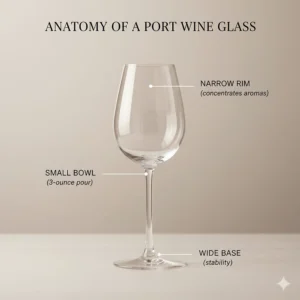
The traditional tulip shape isn’t arbitrary—it’s engineered perfection for fortified wine glasses. Here’s how it works:
🔸 Wide Base: Provides surface area for the wine to breathe and develop aromas
🔸 Tapered Middle: Concentrates those aromatics as they rise
🔸 Narrow Rim: Delivers focused aromas directly to your nose while minimizing alcohol burn
This design creates what sommeliers call “aroma stacking”—layering subtle notes that you’d miss in a standard glass. Your first sniff might reveal dark berries, the second dried figs, and the third a hint of vanilla oak. Magic? Nope, just smart engineering.
Stem vs. Stemless: What Works Best?
While stemless wine glasses have become trendy, they’re not ideal for glasses for port wine. Your hand’s warmth can quickly heat fortified wines, throwing off their carefully balanced flavors. A proper stem keeps your Port at the optimal temperature while giving you an elegant grip.
That said, some modern designs (like the True Douro Sippers we reviewed) break conventions successfully. The key is understanding the purpose behind each design choice.
Types of Port Wine and Ideal Serving Glasses
Ruby Port: Young, Fruity, and Vibrant
Ruby Port is the party animal of the Port family—bright red, fruit-forward, and ready to drink. Aged for just 2-3 years, it bursts with flavors of red berries, plums, and cinnamon. For Ruby Port, you want a glass that showcases its youthful exuberance.
Recommended Glass: Medium-sized tulip glasses (7-8 oz capacity) work beautifully. The Glassique Cadeau or Physkoa options are perfect here. You want enough room to appreciate the vibrant color and lively aromas without losing that characteristic fruitiness.
Tawny Port: Nutty, Smooth, Complex
Tawny Port ages in wooden barrels for extended periods (anywhere from 10 to 40+ years), developing gorgeous amber-brown colors and complex flavors of caramel, nuts, dried fruit, and butterscotch. This elegant style deserves glassware that emphasizes its subtlety.
Recommended Glass: The Riedel Vinum or Schott Zwiesel models excel with Tawnies. Their slightly larger bowls allow the layered aromas to develop fully. Serve slightly chilled (12-16°C) and watch the aromatic complexity unfold.
Vintage Port: The Crown Jewel
Vintage Port represents the pinnacle—made only in exceptional years from the finest grapes, then bottle-aged for decades. These wines develop incredible depth, power, and structure. They deserve your finest glassware.
Recommended Glass: Premium options like the Riedel Vinum truly shine here. The precision-engineered bowl highlights vintage Port’s concentration while softening the tannins. Pro tip: decant vintage Port to remove sediment before serving.
White Port: The Refreshing Alternative
Often overlooked, White Port offers a lighter, more refreshing experience. Made from white grape varieties, it can range from bone-dry to sweet. Serve it chilled as an aperitif, and it’s absolutely delightful on hot summer days.
Recommended Glass: The Crystal Sherry Long Stem glasses work wonderfully for White Port. The longer stem keeps the wine nicely chilled, while the smaller capacity suits the aperitif serving size.
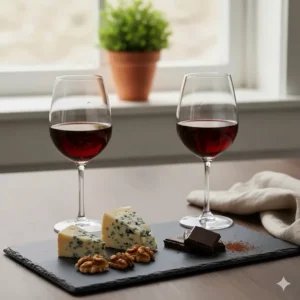
How to Choose the Perfect Port Wine Glasses
1. Consider Your Budget and Frequency of Use
Let’s be honest: if you enjoy Port once a year at holiday dinners, investing in $200 Riedel Sommelier glasses might be overkill. Start with quality budget options like the Physkoa or Glassique Cadeau 4-piece sets. You’ll get 90% of the experience at 30% of the cost.
However, if Port is a regular part of your life—weekly tastings, collecting vintages, or hosting wine dinners—premium glasses become a worthwhile investment. The Riedel Vinum or Schott Zwiesel sets will last decades with proper care.
2. Match Glass Size to Your Serving Style
Think about how you typically serve Port:
- After-dinner digestif: Smaller 3-4 oz glasses (like the True Douro Sippers or Crystal Sherry glasses)
- Wine tasting events: Standard 7 oz copitas (Glassique Cadeau, Physkoa)
- Casual entertaining: Versatile 8 oz options (Schott Zwiesel, Riedel Vinum)
3. Evaluate Material Quality
Lead Crystal vs. Lead-Free Crystal: Traditional lead crystal offers superior brilliance and that signature “ping” when tapped, but modern lead-free crystal (used in Glassique Cadeau and Physkoa) performs nearly as well without health concerns. For everyday use, lead-free is the smarter choice.
Hand-Blown vs. Machine-Made: Hand-blown glasses feel more special and often feature subtle variations that add character. Machine-made options (like Schott Zwiesel) offer consistency and durability. Neither is inherently better—it depends on your priorities.
4. Check Dishwasher Compatibility
Real talk: hand-washing delicate crystal after a dinner party isn’t everyone’s idea of fun. The Schott Zwiesel Tritan crystal glasses are genuinely dishwasher-safe without degradation. Many hand-blown options claim dishwasher safety but benefit from hand-washing to maintain their pristine condition long-term.
5. Think About Gifting Potential
Port wine glasses make exceptional gifts for wine lovers, newlyweds, or anyone who appreciates fine dining. The Glassique Cadeau sets come in stunning presentation boxes with port-serving education—perfect for gift-giving. The True Douro Sippers offer unique conversation value that recipients remember.
6. Consider Storage and Breakage
Here’s an uncomfortable truth: wine glasses break. If cabinet space is limited or you’re prone to accidents, buying sets of 6 (like the Schott Zwiesel) gives you backup glasses. Premium 2-piece sets look gorgeous but leave you stranded if one breaks.
7. Verify Authentic Design Standards
Quality port wine glasses should meet international wine-tasting standards (ISO/INAO). This ensures the bowl shape, rim diameter, and overall proportions actually enhance the tasting experience rather than just looking pretty.
Port Wine Glass Care and Maintenance
Proper Washing Techniques
Crystal requires gentler handling than standard glassware. Here’s my proven routine:
Hand-Washing Method:
- Use warm (not hot) water with gentle dish soap
- Cradle the bowl while cleaning the stem—never twist
- Rinse thoroughly with warm water
- Air-dry on a lint-free cloth or specialized glass rack
- Polish with a microfiber cloth once completely dry
Dishwasher Method (for dishwasher-safe models only):
- Use top rack only, securing stems properly
- Choose low-temperature, gentle cycles
- Skip heated drying—let glasses air-dry
- Remove promptly to prevent water spots
Pro tip: Never put premium lead crystal or hand-blown glasses in the dishwasher, regardless of what the manufacturer claims. The long-term cloudiness isn’t worth the convenience.
Storage Solutions
Proper storage prevents chips, cracks, and dust accumulation:
- Upright storage: Prevents rim damage and dust collection inside the bowl
- Padded racks: Use wine glass racks with rubber or felt padding
- Gift boxes: Many sets (like Glassique Cadeau) come with storage boxes—use them!
- Cabinet placement: Store away from heavy items that could knock them over
Removing Cloudiness and Water Spots
Even with careful washing, crystal can develop cloudiness. Here’s how to restore sparkle:
- White Vinegar Soak: Fill cloudy glasses with equal parts water and white vinegar, let sit 30 minutes, rinse thoroughly
- Denture Tablets: Drop one tablet in lukewarm water-filled glass, let fizz for 15 minutes, rinse well
- Lemon Juice Polish: Rub lemon juice on water spots, rinse, dry immediately with microfiber cloth
Comparing Port Wine Glasses vs. Traditional Wine Glasses
| Feature | Port Wine Glasses | Standard Wine Glasses |
|---|---|---|
| Bowl Size | Small (3-8 oz) | Large (10-20 oz) |
| Shape | Tulip-shaped, narrow rim | Varies widely by wine type |
| Stem Length | Short to medium | Typically longer |
| Primary Purpose | Concentrate sweet aromas | Allow wine to breathe |
| Serving Size | 2-4 oz | 5-6 oz |
| Best For | Fortified wines, dessert wines | Table wines, everyday drinking |
The fundamental difference comes down to purpose. Regular wine glasses prioritize aeration—exposing wine to oxygen to soften tannins and develop flavors. Port wine glasses do the opposite: they concentrate rather than disperse, capturing those precious aromatics that make fortified wines special.
Price Range and Value Analysis
Budget-Friendly Options ($20-$40)
Best Pick: Physkoa Port Wine Glasses (Set of 4)
Value Proposition: Lead-free crystal, hand-blown quality, dishwasher-safe convenience
At this price point, you’re getting excellent functionality without luxury branding. The Physkoa glasses perform the essential task—concentrating aromas and delivering proper serving sizes—while keeping your wallet happy. Perfect for building your glassware collection or testing whether port wine glass ownership suits your lifestyle.
Mid-Range Excellence ($40-$80)
Best Pick: Schott Zwiesel Bar Special (Set of 6) or Glassique Cadeau (Set of 4/6)
Value Proposition: Professional-grade performance, durability, gift-worthy presentation
This sweet spot offers legitimate quality improvements: better crystal clarity, more thoughtful design, approved standards certification, and often superior packaging. The Schott Zwiesel Tritan crystal resists chips and scratches far better than budget options, while Glassique Cadeau delivers hand-blown character with modern durability.
Premium Investment ($80-$150+)
Best Pick: Riedel Vinum Port (Set of 2)
Value Proposition: World-class design, heritage craftsmanship, professional validation
Premium glasses aren’t just about showing off (though they certainly impress guests). The Riedel Vinum’s precise engineering genuinely enhances your tasting experience, especially with expensive Vintage Ports where every nuance matters. Think of it as buying once, crying once—these glasses should last decades with proper care.
Return on Investment
Here’s my honest take: if you drink Port more than once a month, investing in quality glasses pays off quickly. A $50 set used 50 times costs $1 per use in the first year. That $120 Riedel set? Amortized over 10 years of weekly use, it’s about 23 cents per sip. Compare that to what you’re spending on the Port itself, and quality glassware becomes the bargain.
Port Wine Serving Temperature and Portions
Optimal Temperature by Style
Getting the temperature right is just as important as choosing the right glass:
Ruby Port: 16-18°C (60-64°F) – Slightly chilled emphasizes fresh fruit character
Tawny Port: 12-16°C (54-60°F) – Cooler temp highlights nutty complexity
Vintage Port: 18°C (64°F) – Room temperature allows full expression
White Port: 6-10°C (43-50°F) – Well-chilled for refreshing aperitif service
Pro tip: If your Port is too warm, submerge the bottle in an ice bucket for 10-15 minutes. Never refrigerate directly—the cork can dry out and crack.
Perfect Portion Sizes
One of the biggest mistakes newcomers make is over-pouring. Remember, Port is fortified (19-20% alcohol) and intensely flavored. Here’s your guide:
- Tasting portions: 1-2 oz (30-60 ml)
- After-dinner serving: 2-3 oz (60-90 ml)
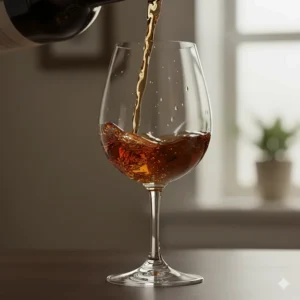
- Maximum fill line: One-third to halfway up the glass bowl
Fill your port wine glass only to its widest point. This creates space for swirling and allows aromas to develop without spilling. It also makes that expensive bottle stretch further—always a bonus!
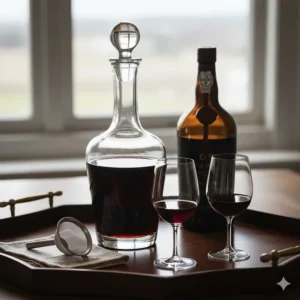
Pairing Port Wine with Food and Occasions
Classic Food Pairings
Port’s sweetness and richness call for specific food companions:
Blue Cheese: The salt and tang of Stilton or Roquefort create magnificent contrast with Tawny Port’s caramel notes
Dark Chocolate: Ruby Port and 70%+ cacao chocolate is a match made in heaven—the wine’s fruitiness complements chocolate’s bitterness
Nuts and Dried Fruits: Tawny Port with almonds, walnuts, dates, and figs echoes the wine’s own nutty, dried-fruit character
Desserts: Chocolate torte, crème brûlée, or tiramisu paired with Vintage Port transforms ordinary desserts into experiences
Savory Surprise: Try Tawny Port with pâté or foie gras—the richness-on-richness combination works beautifully
Occasion-Based Serving
Holiday Dinners: Break out the premium Riedel Vinum or Schott Zwiesel sets for Thanksgiving and Christmas. Port’s warming character suits cold weather perfectly.
Romantic Evenings: The True Douro Sippers or Crystal Sherry Long Stem glasses add intimate elegance to date nights. Pour a Tawny Port and let conversation flow.
Wine Tasting Parties: Use consistent glassware (Glassique Cadeau sets) for comparative tastings. Provide palate cleansers between samples.
After-Dinner Digestifs: Simple, classic small wine glasses (Physkoa) keep the focus on conversation rather than fancy stemware.
Special Celebrations: Vintage Port in premium glasses marks milestone moments—anniversaries, promotions, or welcoming a new baby.
The History and Heritage of Port Wine
Portugal’s Douro Valley Legacy
The story of Port begins in northern Portugal’s rugged Douro Valley, where terraced vineyards cling to impossibly steep hillsides. Vines have grown here since Roman times, but Port as we know it emerged in the 17th century through an Anglo-Portuguese partnership that would define the industry.
According to historical accounts, two Liverpool brothers visiting the Douro region in the 1670s encountered a wine the Abbot of Lamego had fortified with brandy during fermentation. They shipped the entire stock back to England, where it became an instant sensation. When war with France cut off wine supplies, Britain’s demand for Portuguese Port exploded.
The First Protected Wine Region
In 1756, Portugal’s Marquês de Pombal did something revolutionary—he demarcated the Douro region, establishing the world’s first protected wine appellation. Only wines produced within specific boundaries could be called “Port.” This happened decades before Champagne received similar protection and over 200 years before modern appellation systems.
The demarcation also established quality standards, eliminated fraudulent practices (like adding elderberry juice for color), and designated premium wines as “vinhos de feitoria” for export while lesser wines were sold domestically. These reforms transformed Port from a regional product into an internationally respected wine.
British Influence on Port Culture
Walk through Vila Nova de Gaia (Porto’s traditional Port-aging district) and you’ll see names like Taylor’s, Graham’s, Dow’s, Cockburn’s, and Sandeman—all British companies that shaped Port’s global reputation. The British didn’t just buy Port; they refined production methods, aged wines in their Porto lodges, and created the marketing that made Port synonymous with sophistication.
This Anglo-Portuguese partnership continues today, though Portuguese families like Ferreira and Quinta do Crasto have reclaimed significant market share while pioneering Douro table wines alongside traditional Port.
Port Wine Glass Etiquette and Social Traditions
The Port-Passing Ritual
In formal British dining, Port follows a charming ritual that’s been observed for centuries:
- Port is passed to the left (never right)—always
- The decanter must not touch the table until returning to the host
- Never pour for yourself first—serve your neighbor to the right
- Don’t hog the decanter—keep Port moving clockwise
- The host initiates and closes the round
While these rules feel stuffy, they’re rooted in practicality—ensuring everyone gets equal access and preventing awkward reaching across the table. Modern gatherings can adapt these traditions without rigidity.
Toasting with Port
Port makes an excellent toasting wine for special occasions. Here’s proper form:
- Stand for formal toasts (seated is acceptable for casual gatherings)
- Make eye contact when clinking glasses
- Tap the base on the table before drinking (optional British naval tradition)
- Sip, don’t shoot—Port is meant for savoring, not shots
Conversation and Appreciation
Part of Port culture involves discussing what you’re tasting. Don’t worry about sounding pretentious—enthusiasm beats expertise. Try describing:
- Colors: Ruby red, amber-brown, mahogany
- Aromas: Dried fruits, nuts, chocolate, spice, caramel
- Flavors: Sweet vs. dry, fruity vs. nutty, smooth vs. tannic
- Finish: How long flavors linger after swallowing
Your port wine glasses themselves often spark conversation. The unique designs we’ve reviewed (especially the True Douro Sippers) naturally lead to discussions about wine culture and Portuguese heritage.
Frequently Asked Questions
❓ How many ounces should a port wine glass hold?
❓ Can you use regular wine glasses for port wine?
❓ What's the difference between port wine glasses and sherry glasses?
❓ Are port wine glasses dishwasher safe?
❓ How do I store port wine glasses properly?
Conclusion: Elevate Your Port Experience
After exploring everything from budget-friendly Physkoa glasses to premium Riedel Vinum masterpieces, one truth remains clear: the right glass genuinely transforms how you experience Port wine. Those concentrated aromatics, perfectly balanced sweetness, and complex layers of flavor don’t just appear—they’re revealed through thoughtful glassware design.
Whether you’re investing in the Schott Zwiesel Tritan crystal for its incredible durability, gifting the beautifully packaged Glassique Cadeau set, or starting your collection with affordable Physkoa glasses, you’re joining a tradition that stretches back centuries to Portugal’s legendary Douro Valley. Each sip from a proper port wine glass connects you to that rich heritage while elevating your modern tasting experience.
Remember, the “best” glass isn’t always the most expensive—it’s the one that matches your needs, budget, and how often you’ll use it. Start with quality basics, explore different styles, and let your appreciation for fortified wines guide future upgrades. Your Port deserves better than a regular wine glass, and now you have the knowledge to choose wisely.
Here’s to unforgettable evenings with friends, intimate celebrations, and those quiet moments savoring a beautiful Tawny Port in the perfect glass. Your Portuguese adventure begins with that first proper sip. Saúde! 🍷
Recommended for You
- 7 Best Chardonnay Wine Glass 2026 – Expert Picks & Buying Guide
- 7 Best Cabernet Sauvignon Wine Glasses That Elevate Every Sip 2026
- 7 Best Pinot Noir Wine Glasses That Transform Your Sip (2026)
Disclaimer: This article contains affiliate links. If you purchase products through these links, we may earn a small commission at no additional cost to you.
✨ Found this helpful? Share it with your friends! 💬🤗
