

In This Article
Every sip of sherry deserves the perfect vessel. After testing dozens of specialty glasses with various fortified wines, I’ve discovered that the right sherry wine glass doesn’t just hold your drink—it transforms the entire tasting experience by concentrating aromas, directing flavors to specific taste receptors, and revealing subtle complexities you’d otherwise miss.

A sherry wine glass, traditionally known as a copita glass in Spain, is specifically designed to enhance the unique characteristics of fortified wines from the Jerez region. The traditional tulip-shaped bowl concentrates the aromatic compounds while the narrow rim directs the wine precisely where your palate can best appreciate its complexity. Whether you’re sipping bone-dry Fino on a summer afternoon or savoring rich Pedro Ximénez after dinner, the glass makes all the difference.
The market for specialized wine glasses has exploded in 2026, with options ranging from budget-friendly commercial-grade glassware to premium hand-blown crystal copitas. This guide cuts through the confusion, presenting seven exceptional choices that deliver genuine value across every price point. You’ll find everything from traditional Spanish-style schooner glasses perfect for authentic Jerez wines to versatile copitas that excel with port, Madeira, and other fortified selections.
What makes a sherry wine glass truly exceptional? It’s the combination of proper capacity (typically 3-9 ounces), ideal bowl geometry for aroma concentration, a thin rim for smooth delivery, and crystal clarity that lets you appreciate the wine’s beautiful amber hues. The best glasses balance these technical requirements with durability and value, whether you’re building a collection for serious tasting or simply want better vessels for occasional enjoyment.
Quick Comparison Table
| Product | Capacity | Material | Set Size | Best For | Price Range |
|---|---|---|---|---|---|
| Glassique Cadeau Crystal Schooner | 3.7 oz | Lead-free crystal | 4 glasses | Traditional sherry lovers | $35-$45 |
| Glassique Cadeau Copita | 7 oz | Lead-free crystal | 4 glasses | Port & dessert wines | $30-$40 |
| Riedel Ouverture Sherry | 5 oz | Lead-free crystal | 2 glasses | Everyday elegance | $20-$28 |
| Riedel Vinum Port/Sherry | 9 oz | Lead crystal | 2 glasses | Premium tastings | $45-$60 |
| Schott Zwiesel Bar Special | 8 oz | Tritan crystal | 6 glasses | Entertaining groups | $55-$70 |
| Libbey Embassy Sherry | 3 oz | Glass | 12 glasses | Commercial/budget | $50-$65 (case) |
| Zawiercie Crystal Majestic | 4 oz | Crystal | 6 glasses | Value collectors | $25-$35 |
💬 Just one click – help others make better buying decisions too!😊
Top 7 Sherry Wine Glasses: Expert Analysis
1. Glassique Cadeau Crystal Schooner Sherry Glasses
The Glassique Cadeau Crystal Schooner represents the gold standard for traditional sherry service. These hand-blown beauties feature the classic tulip shape that Spanish bodegas have relied on for generations, with a gently flaring bowl that allows optimal surface aeration while directing aromatic notes precisely to your nose.
Key Specifications:
- Capacity: 3.7 oz (perfect for 2-3 oz pours)
- Height: 6.5 inches with elegant long stem
- Lead-free crystal construction
Customers consistently praise the exceptional clarity and delicate feel of these glasses. One reviewer noted that serving sherry to guests in these vessels elevated simple aperitifs into memorable moments. The thin hand-polished rims provide smooth wine delivery without any distracting thickness. While the slender stems require gentle handling during washing, the included shape-matching storage cloths protect each glass from dust and scratches.
✅ Pros:
- Authentic schooner design maximizes aroma
- Stunning hand-blown crystal clarity
- Premium gift box with storage solution
❌ Cons:
- Delicate stems need careful handling
- Higher price point than machine-made options
Price: $35-$45 for set of 4 | Best for: Fino, Manzanilla, and dry sherry enthusiasts seeking authentic Spanish-style glassware

2. Glassique Cadeau Port and Dessert Wine Copita Glasses
These Glassique Cadeau Copita glasses strike the perfect balance between functionality and versatility. The 7-ounce capacity accommodates generous 3-4 oz fortified wine pours while the short stem and traditional tulip shape concentrate sweet grape aromas beautifully.
Key Specifications:
- Capacity: 7 oz (ISO/INAO standard compliant)
- Height: 5.9 inches
- Traditional copita tulip design
The slightly larger bowl compared to traditional sherry glasses makes these ideal for port wine glasses and dessert wine glasses applications. Wine enthusiasts appreciate how the tight opening focuses aromatics from Ruby Port, sweet sherries, and Moscato. Several customers reported these glasses transformed their wine tasting parties, with guests commenting on how much more they could appreciate the complex bouquets.
✅ Pros:
- Versatile size works for multiple wine styles
- Professional tasting glass specifications
- Dishwasher-safe crystal construction
❌ Cons:
- Slightly less elegant than long-stem designs
- May feel small for those preferring larger pours
Price: $30-$40 for set of 4 | Best for: Port wine, sweet sherry, and professional wine tasting sessions
3. Riedel Ouverture Sherry Glass
Riedel Ouverture Sherry glasses deliver the Austrian brand’s legendary quality at an accessible price point. Introduced in 1989, this collection was designed for wine lovers who appreciate excellent performance without premium pricing. The completely lead-free crystal features a tall bowl and elongated stem specifically engineered to enhance sherry and spirits.
Key Specifications:
- Capacity: Approximately 5 oz
- Machine-made precision consistency
- 100% lead-free crystal
The Ouverture line proves that machine-made doesn’t mean inferior—Riedel’s manufacturing precision ensures every glass performs identically. Users report these glasses excel with both dry and sweet sherries, with the taller bowl providing enough space for gentle swirling. The reasonable two-glass set makes these perfect for couples enjoying after-dinner drinks together.
✅ Pros:
- Riedel quality at mid-range pricing
- Dishwasher-safe convenience
- Reliable everyday performance
❌ Cons:
- Set of 2 limits hosting larger groups
- Less distinctive design than premium lines
Price: $20-$28 for set of 2 | Best for: Daily use and casual fortified wine serving
4. Riedel Vinum Port/Sherry Glass
The Riedel Vinum Port/Sherry glass represents varietal-specific glassware at its finest. Developed through extensive tastings with port experts in London and Austria, this 9-ounce masterpiece combines research-backed design with elegant aesthetics. The teardrop shape enhances floral and raisiny aromatics while minimizing alcohol burn.
Key Specifications:
- Capacity: 9 oz at full capacity
- Height: 6.5 inches
- Lead crystal construction with fire-polished rim
Wine connoisseurs consistently rank this among the best glasses for vintage port and aged sherries. The generous bowl provides ample breathing room for complex fortified wines, while the wide stable base prevents spills. Multiple reviewers mentioned these glasses revealed flavor nuances they’d never detected in their previous glassware, particularly with tawny ports and Oloroso sherries.
✅ Pros:
- Expert-designed for optimal flavor delivery
- Generous capacity for complex wines
- Premium crystal quality and clarity
❌ Cons:
- Higher investment for premium quality
- Lead crystal requires hand washing for longevity
Price: $45-$60 for set of 2 | Best for: Serious collectors and vintage port enthusiasts
5. Schott Zwiesel Bar Special Port Wine Glass
German engineering meets fortified wine excellence in the Schott Zwiesel Bar Special Port Wine Glass. These glasses feature proprietary Tritan crystal technology—titanium and zirconium oxide create exceptional breakage resistance while maintaining brilliant clarity. The compact design with quadrilateral stems and subtle dimple sits comfortably in hand.
Key Specifications:
- Capacity: 8 oz
- Height: 6.6 inches, diameter: 2.8 inches
- Dishwasher-safe Tritan crystal
The six-glass set makes these ideal for entertaining, while the commercial-grade durability means you won’t stress about breakage during dinner parties. Restaurant owners and home entertainers praise the glasses’ ability to survive hundreds of dishwasher cycles without clouding. The professional aesthetics work equally well for casual gatherings and formal occasions.
✅ Pros:
- Exceptional durability for daily use
- Six-glass set perfect for hosting
- Made in Germany quality assurance
❌ Cons:
- Less delicate feel than hand-blown options
- Modern design may not appeal to traditionalists
Price: $55-$70 for set of 6 | Best for: Frequent entertainers and restaurant use
6. Libbey Embassy Sherry Glass
The Libbey Embassy Sherry glass is the workhorse of commercial glassware—affordable, reliable, and backed by Libbey’s famous Safedge rim and foot guarantee. This classic 3-ounce glass serves restaurants and bars worldwide with its chip-resistant construction and excellent clarity.
Key Specifications:
- Capacity: 3 oz (perfect portioned servings)
- Height: 4.88 inches
- Commercial-grade glass construction
- Sold in cases of 12
Bar managers and catering professionals appreciate the standardized sizing and consistent quality across hundreds of glasses. The smaller capacity encourages proper portion control while the simple elegant design complements any table setting. While lacking the refinement of crystal options, these glasses deliver exceptional value for high-volume needs or building a large home collection economically.
✅ Pros:
- Unbeatable value per glass
- Chip-resistant with replacement guarantee
- Stackable for efficient storage
❌ Cons:
- Basic glass rather than crystal
- Thicker rim affects mouthfeel
- Case purchase requirement
Price: $50-$65 for case of 12 | Best for: Commercial applications and budget-conscious home bars
7. Zawiercie Crystal Port/Sherry Glasses Majestic
The Zawiercie Crystal Majestic set delivers surprising elegance at an entry-level price. These Polish crystal glasses feature traditional styling with delicate stems and proper tulip bowls. Customer reviews frequently mention receiving compliments from guests who assumed these were far more expensive.
Key Specifications:
- Capacity: Approximately 4 oz
- Set of 6 for versatile entertaining
- Lead crystal construction
The Majestic line proves you don’t need to spend a fortune to enjoy quality crystal. Users report these glasses perform admirably with both sherry and port, though the crystal is slightly thicker than premium hand-blown options. The six-glass configuration at this price point makes these ideal for those building their first specialized fortified wine collection or adding backup glasses to existing sets.
✅ Pros:
- Excellent value for crystal glassware
- Set of 6 supports gatherings
- Elegant appearance exceeds price
❌ Cons:
- Thicker crystal than premium brands
- Quality control occasionally varies
Price: $25-$35 for set of 6 | Best for: Budget-minded collectors and gift giving
Understanding the Copita Glass: Spanish Wine Culture’s Gift to Connoisseurs
The copita glass represents centuries of Spanish wine wisdom distilled into perfect form. The word “copita” simply means “little glass” in Spanish, but this diminutive vessel punches far above its weight in enhancing the sherry tasting experience. Originally developed in the Jerez region of Andalusia, the copita’s tulip shape evolved specifically to showcase the complex aromatics of fortified wines aged under flor yeast.
What distinguishes a true copita glass from standard small wine glasses? The key lies in precise proportions—a relatively wide bowl that narrows dramatically toward the rim. This geometry creates a chimney effect, concentrating volatile aromatic compounds and directing them toward your nose with remarkable efficiency. When you swirl sherry in a proper copita, the liquid climbs the bowl’s walls, exposing maximum surface area to air while the narrow opening prevents aromatic dispersal.
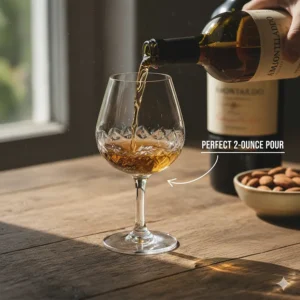
Traditional Spanish bodegas have used copitas for professional tasting for generations, and these same glasses work beautifully at home. Fill a copita one-third full (about 2-3 ounces for most sizes), swirl gently, and notice how aromas intensify compared to drinking from a standard wine glass. The narrow opening also directs wine flow toward the front of your palate, where taste receptors best perceive the delicate balance between sweetness, acidity, and that characteristic sherry nuttiness.
Modern copita glasses come in various sizes, typically ranging from 3 to 9 ounces capacity. Smaller copitas (3-5 oz) work best for lighter sherries like Fino and Manzanilla, where you want to preserve freshness and prevent oxidation. Larger copitas (7-9 oz) excel with port wines, sweet sherries, and other dessert wines where generous pours and extended nosing enhance enjoyment. Many wine enthusiasts maintain both sizes to match the glass precisely to the wine.
The copita’s versatility extends beyond sherry. Whiskey enthusiasts discovered these glasses concentrate spirit aromas beautifully, leading to dedicated whiskey copitas. Mezcal and tequila aficionados appreciate how the shape reveals agave complexity. Any aromatic spirit or fortified wine benefits from the copita’s focusing power, making these glasses among the most useful specialized stemware you can own.
Fortified Wine Serving: Essential Techniques for Maximum Enjoyment
Serving sherry and other fortified wines properly unlocks flavors and aromas that casual service misses entirely. Temperature matters tremendously—light sherries like Fino and Manzanilla shine when served chilled at 45-50°F (7-10°C), while richer Olorosos and Pedro Ximénez reach their peak at cool room temperature around 55-60°F (13-15°C). Store opened bottles in the refrigerator and let them warm slightly before serving if needed.
Pour size significantly impacts the experience. Fill sherry wine glasses only one-third to half full, never more. This provides adequate headspace for aromatics to concentrate while preventing wine from warming too quickly from hand heat. For a standard 3-ounce copita, pour about 1.5 ounces; for larger 7-9 ounce glasses, 3 ounces represents an ideal serving. These smaller pours may feel stingy compared to regular wine, but remember that sherry’s higher alcohol content (15-20%) and intense flavors mean a little goes a long way.
Proper glassware handling enhances the experience. Hold fortified wine glasses by the stem, never the bowl—your hand’s warmth can raise wine temperature significantly within minutes. When evaluating sherry, hold the glass at a 45-degree angle against a white background to appreciate color nuances, from pale straw in young Finos to deep mahogany in aged Olorosos. Swirl gently before nosing, allowing oxygen to volatilize aromatic compounds.
The traditional Spanish approach to sherry service offers valuable lessons. In Jerez bodegas, copitas are filled from a venencia—a long-handled cup that draws wine directly from the barrel. The wine is poured from height, aerating it slightly before it reaches the glass. While you probably won’t serve from a venencia at home, the principle holds: a bit of aeration benefits most sherries, especially those that have spent years aging under flor.
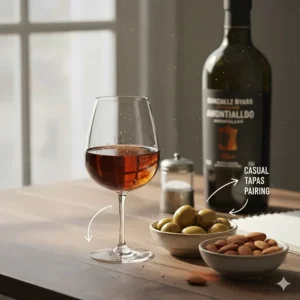
Pairing sherry with appropriate foods transforms both the wine and the dish. Dry Fino and Manzanilla pair brilliantly with salty foods—think Marcona almonds, jamón ibérico, or fresh seafood. Medium sherries like Amontillado complement hard cheeses and mushrooms, while sweet Pedro Ximénez creates magic when drizzled over vanilla ice cream or paired with blue cheese. The Spanish tradition of tapas emerged partly because sherry’s versatility demands small, varied bites that showcase different flavor combinations.
Crystal vs Glass: Making the Right Choice for Your Collection
The crystal versus glass debate confuses many wine lovers, but the distinction significantly impacts both performance and price. True crystal contains at least 24% lead oxide (in lead crystal) or other minerals like titanium and zirconium (in lead-free crystal). These additions create higher refractive indices, producing that characteristic sparkle and brilliance that standard glass cannot match. Crystal also allows thinner walls and rims while maintaining strength, enabling the delicate mouthfeel serious wine drinkers prize.
Lead crystal offers maximum brilliance and the ability to create remarkably thin, resonant stems. The traditional chime when you gently tap quality crystal stems comes from lead’s molecular structure. However, lead crystal requires hand washing to prevent clouding and demands careful handling. Modern concerns about lead leaching have prompted many manufacturers to develop lead-free crystal alternatives using barium, potassium, or zinc oxide. These materials achieve similar optical properties without health concerns.
Standard glass glassware costs significantly less than crystal and offers practical advantages. Modern soda-lime glass achieves impressive clarity and can survive dishwasher abuse indefinitely. For commercial applications or homes with young children, glass makes perfect sense. The thicker construction also provides peace of mind—you won’t cringe every time someone reaches for a glass. However, glass cannot achieve the thin rims and delicate stems that crystal allows, resulting in a noticeably different drinking experience.
Tritan crystal technology from German manufacturer Schott Zwiesel represents a third option. This patented formula replaces lead with titanium oxide and zirconium oxide, creating crystal that’s both dishwasher-safe and remarkably break-resistant. Tritan glasses can withstand over 1,500 dishwasher cycles without clouding—a claim traditional crystal cannot match. While slightly more expensive than standard glass, Tritan offers crystal-like performance with glass-like durability.
For building a sherry wine glass collection, consider your priorities. If you appreciate fine wine and want the best possible tasting experience, invest in lead-free crystal copitas. The thin rims and enhanced aromatics justify the higher cost and extra care required. If you entertain frequently or prefer low-maintenance glassware, quality glass or Tritan crystal serves admirably while surviving the dishwasher. Many enthusiasts maintain both—everyday glass for casual enjoyment and special crystal for serious tastings or guests.

Spanish Wine Glasses Through History: From Ancient Vessels to Modern Copitas
The evolution of Spanish wine glasses reflects centuries of viticultural innovation in Andalusia. Archaeological evidence shows the Phoenicians introduced wine-making to the Jerez region around 1100 BCE, using simple ceramic vessels for storage and consumption. The Romans elevated Spanish viticulture significantly, bringing advanced glass-making techniques and developing earlier versions of stemmed drinking vessels. However, the sophisticated copita design we know today emerged much later.
The Moorish occupation of Spain (711-1492 CE) paradoxically advanced sherry production despite Islamic alcohol prohibitions. As noted by Britannica, the Moors introduced distillation techniques via the alembic, creating precursors to the brandy later used for fortification. They also refined glass-making methods, though wine consumption remained limited to trade purposes. When Christian forces reconquered Jerez in 1231, local wine production flourished. The name “Jerez” evolved from the Moorish “Sherish,” eventually anglicized to “sherry” by English merchants.
During the 16th and 17th centuries, sherry became enormously popular in England. Sir Francis Drake’s 1587 raid on Cádiz captured 2,900 barrels of sherry, introducing English society to what they called “sack” (from Spanish “saca,” meaning extraction from the solera). Shakespeare immortalized English enthusiasm for sherry in Henry IV, where Falstaff proclaims his devotion to the fortified wine. However, these early consumers drank from whatever vessels were available—specialized sherry glasses hadn’t yet emerged.
The copita glass as a distinct form developed during the 18th and 19th centuries as sherry houses refined their blending and aging techniques. The solera system’s introduction created more consistent, complex wines that deserved proper presentation. Spanish glass-makers in Catalonia and elsewhere began producing tulip-shaped vessels specifically for professional tasting. These early copitas featured the characteristic narrow stem and flared bowl, though construction remained relatively thick by modern standards.
The 20th century brought industrial glass production and the rise of crystal stemware. Austrian manufacturer Riedel revolutionized wine glass design in the 1960s by creating varietal-specific shapes based on how wine interacts with the palate. This scientific approach validated what Spanish tasters had known intuitively—glass shape profoundly affects wine perception. Today’s sherry wine glasses combine traditional copita geometry with modern crystal technology, offering both authentic aesthetics and optimized performance. The humble “little glass” from Jerez has become a sophisticated tool for wine appreciation worldwide.
Caring for Your Sherry Wine Glasses: Preservation and Maintenance
Proper care extends the life of quality glassware while maintaining the clarity and performance that makes premium pieces worthwhile. Hand washing represents the gold standard for crystal and delicate stemware. Use warm (never hot) water with a small amount of unscented dish soap—residual fragrances can linger in glasses and taint wine aromas. Wash one glass at a time, supporting the bowl with one hand while cleaning the interior with a soft brush or cloth. Never twist the bowl and stem in opposite directions, as this stress point is where breakage most often occurs.
Rinse thoroughly with warm water to remove all soap residue, which can create spots and dull crystal’s brilliance. Air drying on a clean towel works well for most glasses, but for spotless results, hand dry immediately with a lint-free microfiber cloth. Polish crystal glasses using circular motions, holding the bowl firmly while rotating the cloth. Some enthusiasts steam their crystal glasses briefly over boiling water before polishing—the steam loosens any residual particles and enhances shine.
For dishwasher-safe options like Tritan crystal or standard glass, proper loading prevents damage. Place glasses upside down on the top rack, ensuring they don’t touch each other or other items. Use a gentle cycle with lower water temperature and avoid heated drying, which can cause spots. Skip the rinse aid with wine glasses, as it leaves residue that affects aroma and flavor. Many wine professionals still hand wash even dishwasher-safe glasses to ensure longevity.
Storage matters as much as cleaning. Keep sherry wine glasses upright in a cabinet to prevent dust accumulation inside the bowl. If storing upside down, use shelf liner to cushion the delicate rims. Avoid stacking glasses or storing them near strong odors—crystal is remarkably porous and can absorb scents from spices, cleaning products, or old wood. Some collections benefit from the storage boxes that accompany premium glassware, which often include protective cloths that secure each piece individually.
Address cloudiness promptly before it becomes permanent. If glasses develop a filmy appearance, soak them in a solution of equal parts white vinegar and warm water for 15 minutes, then wash normally. For stubborn spots, use a paste of baking soda and water applied with a soft cloth. Hard water deposits respond well to commercial lime removers designed for glassware. Prevention works better than cure—rinse glasses with distilled water after washing if you have very hard tap water, or consider installing a water softener.
Sherry Wine 101: Understanding Styles and Selecting the Right Glass
Sherry encompasses an remarkably diverse range of wines, each requiring slightly different serving approaches. The foundation of most sherry is the Palomino grape grown in the albariza soils around Jerez de la Frontera. According to Wikipedia’s detailed overview of fortified wines, after fermentation to dryness, base wines are fortified with grape spirit and classified for aging. Those showing elegance and finesse are fortified to 15-15.5% alcohol and develop flor—a layer of protective yeast that prevents oxidation and creates the bone-dry Fino and Manzanilla styles.
Fino represents the lightest, most delicate sherry style, aged entirely under flor for typically 3-5 years. These wines display pale straw color, sharp acidity, and flavors of almonds, fresh dough, and sea salt. Manzanilla, produced exclusively in the coastal town of Sanlúcar de Barrameda, offers similar character with additional saline notes from ocean influence. Both excel when served well-chilled (45-50°F) in smaller 3-4 ounce copitas that preserve freshness. These sherries oxidize quickly once opened—consume within days for best quality.
Amontillado begins as Fino but loses its flor layer partway through aging, exposing the wine to oxygen. This dual aging creates fascinating complexity—the finesse of biological aging combined with the richness of oxidation. Expect deeper amber color, nutty aromas, and flavors bridging Fino’s freshness with Oloroso’s weight. Serve slightly warmer than Fino (around 55°F) in medium copitas. Amontillado keeps longer after opening than Fino but still benefits from refrigeration.
Oloroso never develops flor, instead aging oxidatively for extended periods that can exceed 30 years. Fortified to 17-18% alcohol, these wines develop mahogany color and intense flavors of walnuts, leather, tobacco, and dried fruit. The glycerin-rich texture coats the palate luxuriously. Serve at cool room temperature (around 60°F) in larger port wine glasses that accommodate fuller body and complex aromatics. Oloroso maintains quality for weeks after opening due to extended oxidative aging.
The sweetest sherries include Cream (Oloroso sweetened with Pedro Ximénez or Moscatel) and pure PX or Moscatel wines. Pedro Ximénez grapes are dried in the sun after harvest, concentrating sugars before fermentation and fortification. The resulting wines show almost syrupy consistency with flavors of raisins, figs, chocolate, and coffee. These dessert powerhouses pair beautifully with vanilla ice cream, blue cheese, or dark chocolate. Serve at room temperature in larger dessert wine glasses, as small sips deliver intense flavors.
How to Choose the Perfect Sherry Wine Glass for Your Needs
Selecting ideal sherry wine glasses requires balancing several factors: your budget, the types of fortified wines you enjoy most frequently, how often you entertain, and your storage capacity. Start by honestly assessing your sherry consumption patterns. If you primarily enjoy dry sherries like Fino and Manzanilla, invest in smaller traditional copitas (3-5 oz capacity) with tall stems and narrow openings. These glasses preserve the delicate aromatics and maintain proper serving temperature for longer periods.
For versatility across multiple fortified wine styles, choose medium-sized copitas around 7 ounces. These work beautifully with sherry, port, Madeira, and sweet wines, making them excellent all-around performers. The slightly larger capacity accommodates both 2-ounce sherry pours and 3-4 ounce port servings. If you frequently taste wines rather than casual drinking, ISO/INAO standard tasting glasses offer professional-level aroma concentration while serving multiple wine categories beyond just fortified options.
Budget considerations shouldn’t compromise quality entirely. A set of four quality crystal copitas serves two couples comfortably and costs less than mediocre stemware for a full dinner party. Better to own excellent glasses for intimate gatherings than mediocre ones for crowds. If you do entertain larger groups, consider mixing one premium set for special occasions with budget-friendly options for parties where breakage risk runs higher. The Libbey Embassy or similar commercial glasses work perfectly for casual gatherings.
Material choice impacts both performance and practicality. Lead-free crystal offers the best compromise—excellent clarity, thin rims, and reasonable durability without lead concerns. Hand washing represents a minor inconvenience for the superior drinking experience. If you absolutely need dishwasher-safe glassware, Tritan crystal from Schott Zwiesel justifies its premium price through longevity and performance. Standard glass works fine for beginners building collections or anyone prioritizing practicality over romance.
Finally, consider aesthetics and how glasses complement your existing stemware. Traditional long-stemmed copitas deliver elegance and authentic Spanish character. Modern short-stemmed designs offer contemporary appeal and easier storage. Some collections feature matching sets across wine styles—if you own other glasses from Riedel’s Vinum line, for example, adding their sherry glasses creates visual harmony. Purchase what genuinely excites you, as beautiful glasses enhance enjoyment beyond mere function.
Hosting a Sherry Tasting Party: Expert Tips and Glass Recommendations
A sherry tasting party offers guests fascinating exploration of wine diversity while requiring minimal preparation compared to standard wine tastings. Plan to serve 4-5 different sherry styles representing the spectrum from dry to sweet: Fino or Manzanilla, Amontillado, Oloroso, and Pedro Ximénez make an ideal progression. Pour small servings (1.5-2 ounces) to prevent palate fatigue and allow guests to sample multiple styles. Arrange glasses in tasting order, lightest to heaviest.
Glassware requirements depend on your guest count. For parties of 6-8 people tasting four sherries, you’ll need at least 4 glasses per person (one for each wine) unless you provide rinse water for glass reuse between tastings. Many hosts provide two glasses per guest and encourage rinsing—this reduces glassware needs while teaching proper tasting technique. Choose uniform glasses so comparisons aren’t affected by different shapes. The Glassique Cadeau sets work perfectly for smaller gatherings, while the Schott Zwiesel six-glass collection serves larger parties economically.
Temperature control significantly impacts tasting success. Serve Fino and Manzanilla at refrigerator temperature (45-50°F), Amontillado slightly warmer (50-55°F), and Oloroso at cool room temperature (around 60°F). Sweet PX can be served at room temperature or even slightly chilled depending on weather and preference. Use ice buckets or wine coolers to maintain proper temperatures throughout the tasting. Present bottles so guests can examine labels and learn about different producers and aging systems.
Provide appropriate accompaniments but keep foods simple to avoid overwhelming sherry’s subtle complexities. Marcona almonds, Manchego cheese, and olives complement dry sherries beautifully. Serve jamón ibérico or other cured meats with Amontillado and Oloroso. Save sweet sherries for dessert, pairing them with dark chocolate, blue cheese, or vanilla ice cream. Supply plenty of water and plain crackers for palate cleansing between wines.
Create tasting notes worksheets for guests to record impressions. Include sections for appearance (color, clarity), aroma descriptors, taste notes, and personal preferences. Provide background information about sherry production, the solera system, and flor yeast—most guests find these technical details fascinating. Consider demonstrating proper tasting technique: examine color against white background, swirl gently, nose deeply, sip small amounts and let wine coat the entire palate. Share your own observations without dominating the conversation, allowing guests to develop independent impressions.
Port Wine Glasses vs Sherry Wine Glasses: Understanding the Differences
While port wine glasses and sherry wine glasses share similarities as specialized fortified wine vessels, subtle design differences optimize each for their respective wines. Traditional port glasses feature slightly larger bowls (typically 8-12 oz capacity) to accommodate port’s fuller body and richer texture. The broader bowl provides more air contact, allowing port’s complex fruit flavors and tannins to open gradually. Port’s higher viscosity and sweeter profile benefit from generous swirling room.
Sherry glasses, particularly traditional copitas, tend toward smaller capacities (3-7 oz) with narrower openings. The compact size makes sense for sherry’s typically drier profile and delicate aromatics that dissipate quickly if exposed to too much air. Fino and Manzanilla especially benefit from smaller glasses that preserve freshness and prevent oxidation. The narrow rim concentrates volatile compounds, directing subtle yeast-derived aromas toward your nose with precision that broader port glasses cannot match.
Stem length differs between traditional designs as well. Classic sherry copitas feature long, slender stems that keep hands far from the bowl, preventing heat transfer that could warm delicate Fino sherries. Port glasses often employ shorter, sturdier stems since vintage port is typically served at slightly warmer temperatures where minor hand warming matters less. The aesthetic differences reflect each wine’s cultural context—Spanish copitas emphasize elegance and refinement, while Portuguese port glasses project sturdy confidence.
That said, modern wine glass design recognizes significant overlap. A quality 7-9 ounce copita serves both port and sherry admirably, making dedicated port glasses unnecessary unless you’re a serious collector. The Riedel Vinum Port/Sherry glass exemplifies this versatility—designed for port but performing excellently with sherries, particularly richer styles like Oloroso and PX. Similarly, many sherry glasses work beautifully with lighter ports, especially tawny and ruby styles.
For practical home use, consider your consumption patterns. If you drink port more frequently than sherry, buy port glasses knowing they’ll work fine for occasional sherry service. If dry sherries dominate your fortified wine enjoyment, invest in proper copitas that also handle port adequately. Serious enthusiasts who regularly serve both wines benefit from owning dedicated glassware for each—the specialized designs do make appreciable differences, even if those differences aren’t strictly necessary for enjoyment.
Dessert Wine Glasses: Expanding Your Fortified Wine Experience
Dessert wine glasses encompass a broader category than sherry or port glasses, designed to showcase sweet wines from around the world. Traditional Sauternes glasses feature small tulip shapes similar to copitas but with slightly wider bowls to accommodate the luscious texture of botrytized wines. Ice wine glasses employ similar geometry, concentrating the intense aromatics of frozen grape wines while controlling portion sizes appropriate to their powerful sweetness.
The universal principle connecting quality dessert wine glasses is controlled capacity. Sweet wines deliver intense flavors and higher alcohol in concentrated packages—smaller pours prevent palate fatigue while encouraging guests to savor rather than gulp. A 3-4 ounce pour in a 7-ounce glass provides ideal proportions, leaving room for aromatics to develop in the headspace. This same geometry serves sherry, port, late-harvest Rieslings, vin santo, and virtually any dessert wine style.
Hungarian Tokaji Aszú, often called “the king of wines,” traditionally uses small tulip glasses nearly identical to sherry copitas. The noble rot character and vibrant acidity in great Tokaji demand precise aroma delivery that narrow openings provide. Similarly, Italian Moscato d’Asti and Vin Santo benefit from concentrated aromatics—the floral grape character and nutty oxidative notes respectively shine in proper copita-style vessels.
Many wine enthusiasts discover that quality sherry wine glasses serve their entire dessert wine collection beautifully. The Glassique Cadeau copitas, for instance, work splendidly with Sauternes, ice wine, and Moscato. The Riedel Vinum Port/Sherry glass handles everything from PX to Tokaji to late-harvest Gewürztraminer with grace. Unless you collect seriously specialized stemware, a good set of fortified wine glasses provides all the versatility most people need for dessert wine service.
One exception worth noting: Champagne and sparkling dessert wines like Moscato d’Asti benefit from flute or tulip shapes that preserve carbonation. While you could serve these wines in copitas, the bubbles dissipate quickly without the vertical design flutes provide. Consider owning proper Champagne glasses alongside your fortified wine collection to cover both categories appropriately.
Budget vs Premium: Finding Your Sweet Spot in Sherry Glass Investment
The sherry wine glass market spans an enormous price range, from commercial bulk glasses at dollars per stem to hand-blown artisan pieces costing $50 or more each. Understanding what you’re paying for helps make informed decisions that match investment to actual usage. Entry-level options like the Libbey Embassy or basic commercial copitas deliver functionality without frills. These glasses hold the right volume, feature appropriate tulip shapes, and won’t break your heart when one inevitably breaks. They’re perfect for restaurants, large parties, or anyone building a first collection on a tight budget.
Mid-range options ($15-30 per glass) represent the sweet spot for most serious wine enthusiasts. Brands like Glassique Cadeau, Schott Zwiesel, and Riedel’s Ouverture line provide genuine crystal or advanced glass formulations at reasonable prices. You’ll notice appreciable quality improvements: thinner rims that feel better on your lips, superior clarity that showcases wine color beautifully, and better balance in hand. These glasses transform good sherry into great experiences without requiring mortgage-level investments.
Premium glasses ($30-60+ per stem) justify their cost through exceptional craftsmanship and measurable performance advantages. Riedel’s Vinum and Sommeliers lines, handmade Zalto glasses, and artisan copitas from Spanish makers deliver the finest possible tasting experiences. The hand-blown or precision machine-made construction achieves impossibly thin bowls and stems while maintaining structural integrity. Every design element optimizes wine delivery—rim thickness, bowl angle, stem proportion all result from decades of research and refinement.
Consider your actual use patterns honestly before investing heavily. If you enjoy sherry occasionally, mid-range glasses provide 90% of premium glass performance at 40% of the cost. The differences between good and great glasses, while real, aren’t revolutionary unless you’re tasting seriously or collecting rare vintage sherries. However, if fortified wines represent a serious passion and you taste regularly, premium glasses reward the investment through enhanced enjoyment over years of use.
Smart collecting strategies help maximize value. Purchase a small set (4 glasses) of premium quality for special occasions and serious tastings. Complement this with a larger set of good mid-range glasses for everyday use and entertaining. This two-tier approach lets you experience the best while avoiding anxiety about breaking expensive glasses during casual service. As your collection and knowledge grow, you can add specialized pieces—larger glasses for port, smaller ones for Fino, vintage finds from antique shops that add character to your bar.

FAQ
❓ What is the proper size for a sherry wine glass?
❓ Can I use regular wine glasses for sherry?
❓ How do I serve sherry at the correct temperature?
❓ What's the difference between a copita glass and a port glass?
❓ How should I clean and store sherry wine glasses?
Conclusion: Elevating Your Fortified Wine Journey
Investing in proper sherry wine glasses represents more than acquiring new stemware—it’s a commitment to experiencing fortified wines as their makers intended. The copita’s centuries-old design concentrates aromatics, controls temperature, and directs flavors with remarkable precision, transforming good sherry into memorable experiences. Whether you choose traditional hand-blown crystal copitas, versatile modern designs, or budget-friendly commercial options, the right glass unlocks complexities you’ve been missing.
The seven options presented here span every budget and use case, from intimate home tastings to commercial service. For those seeking authentic Spanish character, the Glassique Cadeau Schooner glasses deliver traditional elegance at reasonable prices. Versatility seekers will appreciate the Riedel Vinum Port/Sherry’s exceptional performance across multiple wine styles. Budget-conscious collectors can build impressive collections with the Zawiercie Crystal or Libbey Embassy sets without sacrificing quality.
Remember that glassware serves the wine and your enjoyment—expensive doesn’t always mean better if it doesn’t match your actual needs. A modest set of quality mid-range copitas, properly cared for and used regularly, provides infinitely more value than premium glasses gathering dust in a cabinet. Start with a basic set that covers your immediate requirements, then expand as your knowledge and appreciation grow.
As you explore sherry’s remarkable diversity from bone-dry Manzanilla to syrupy Pedro Ximénez, the right glasses become trusted companions on the journey. Each properly served pour reveals another layer of complexity, another aromatic nuance, another reason to appreciate the craftsmanship behind both the wine and the vessel. Your fortified wine experience will never be the same—and that’s exactly the point. Salud!
Recommended for You
- Rose Wine Glass: 7 Best Picks for Perfect Rosé in 2026
- 7 Best Dessert Wine Glasses 2026 | Port & Sweet Wine Glass Guide
- 7 Best Port Wine Glasses That Transform Your Sipping Experience (2026)
Disclaimer: This article contains affiliate links. If you purchase products through these links, we may earn a small commission at no additional cost to you.
✨ Found this helpful? Share it with your friends! 💬🤗
