In This Article
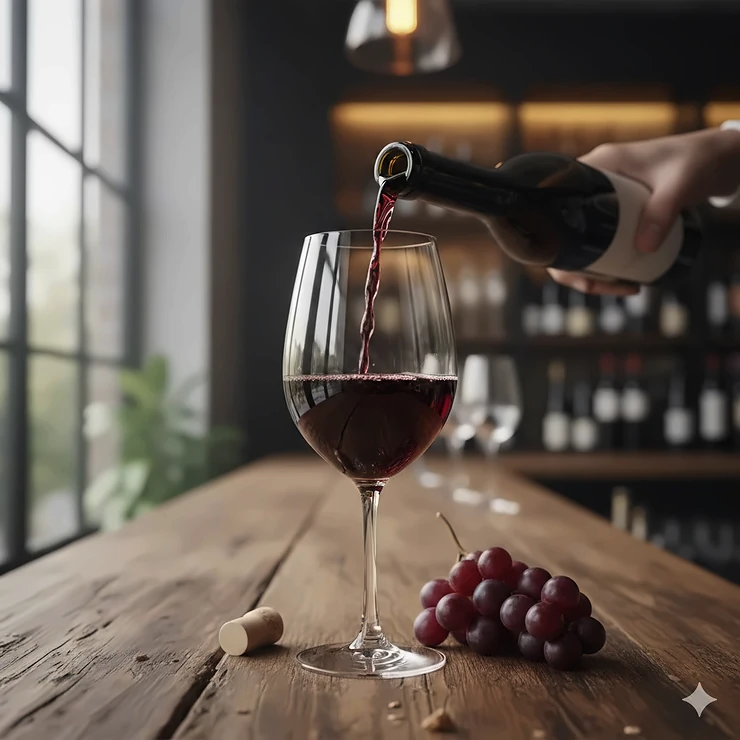
There’s something magical about that first sip of perfectly poured red wine by the glass. Whether you’re running a bustling restaurant or creating memorable evenings at home, serving wine by the glass has transformed from a simple convenience into an art form that demands the right tools and techniques.
I’ve spent years exploring the wine service industry, and I can tell you that the equipment you choose makes all the difference between a mediocre glass and an exceptional experience. The rise of wine by the glass programs has revolutionized how we enjoy wine, allowing everyone to taste premium bottles without committing to a full purchase. According to industry data, restaurants offering robust wine by the glass selections see up to 40% higher wine sales compared to bottle-only programs.
The key to success? Having the right glasses, preservation systems, and serving tools. In 2026, the market offers incredible options that keep your red wine fresh for weeks, maintain perfect serving temperatures, and showcase each varietal’s unique characteristics. From commercial wine dispensers that eliminate waste to elegant wine glasses for red wine that enhance aromatics, this guide covers everything you need to elevate your wine service game.
Quick Comparison Table: Top Products at a Glance
| Product | Best For | Capacity | Price Range | Key Feature |
|---|---|---|---|---|
| Libbey Kentfield Estate Glasses | Everyday Use | 4-piece set | $25-35 | Dishwasher safe, versatile |
| ZWIESEL GLAS Pure Cabernet | Premium Service | 6-piece set, 18 oz | $70-90 | German Tritan crystal |
| Riedel Wine Friendly Red | Restaurant Use | 4-piece set, 23 oz | $50-65 | Universal red wine glass |
| Coravin Pivot Plus | Home Preservation | Single bottle | $100-130 | 4-week preservation |
| Vinturi Red Wine Aerator | Instant Aeration | Single pour | $30-45 | Aerates in seconds |
| Private Preserve System | Budget Preservation | 120 uses per can | $10-15 | Inert gas blend |
| Vinotemp 4-Bottle Dispenser | Commercial Use | 4 bottles | $800-1,200 | Temperature control |
💬 Just one click – help others make better buying decisions too!😊
Top 7 Red Wine by the Glass Products: Expert Analysis
1. Libbey Signature Kentfield Estate Wine Glasses
The Libbey Signature Kentfield Estate Wine Glasses represent the perfect balance between quality and value for anyone serious about wine by the glass service. These long-stemmed beauties work equally well for both red and white wines, making them incredibly versatile for home bars and restaurants alike.
Key Specifications:
- Set of 4 all-purpose wine glasses
- Dishwasher safe for easy maintenance
- Classic stem design prevents hand warming
Customer Feedback: Users consistently praise these glasses for their durability and elegant appearance, with over 2,000 purchases in recent months. Many restaurant owners appreciate that they survive commercial dishwashers without clouding.
✅ Pros:
- Extremely versatile for multiple wine types
- Durable enough for daily use
- Affordable price point for quality glassware
❌ Cons:
- Less specialized than varietal-specific glasses
- Basic design lacks premium aesthetics
Price Range: $25-35
2. ZWIESEL GLAS Pure Cabernet Red Wine Glasses
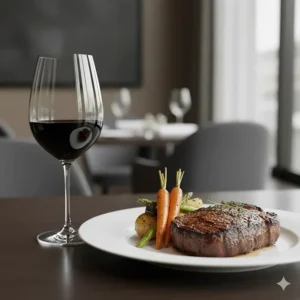
When you’re ready to invest in serious wine glasses red wine glasses deserve, the ZWIESEL GLAS Pure Cabernet set stands in a class of its own. Made in Germany with revolutionary Tritan crystal technology, these glasses are virtually unbreakable while maintaining the clarity of traditional crystal.
Key Specifications:
- Set of 6 glasses, 18-ounce capacity
- Tritan crystal construction
- Dishwasher-safe German engineering
Customer Feedback: Wine enthusiasts rave about how these glasses enhance the bouquet of full-bodied reds. The break-resistant quality means peace of mind during dinner parties, and the clarity rivals hand-blown crystal at a fraction of the cost.
✅ Pros:
- Exceptional durability meets elegance
- Optimal bowl shape for red wine aeration
- Professional-grade quality
❌ Cons:
- Higher price point
- Large size may not suit smaller hands
Price Range: $70-90
3. Riedel Wine Friendly Red Wine Glasses
For restaurants and serious home entertainers, the Riedel Wine Friendly Red Wine Glasses deliver legendary Riedel quality in a practical format. This set features a generous 23-ounce capacity designed specifically for restaurant wine service and wine by the glass programs.
Key Specifications:
- 23 fl. oz. capacity per glass
- Made in Germany with premium crystal
- Universal red wine bowl shape
Customer Feedback: Restaurant owners particularly appreciate these glasses’ durability through thousands of wash cycles. The universal design works beautifully for everything from Pinot Noir to Cabernet Sauvignon, eliminating the need for multiple glass types.
✅ Pros:
- Restaurant-quality construction
- Large capacity reduces refill frequency
- Riedel heritage and expertise
❌ Cons:
- Requires careful storage due to height
- Premium pricing
Price Range: $50-65
4. Coravin Pivot Plus Wine Preservation System
The game-changing Coravin Pivot Plus Wine By-the-Glass System has revolutionized how we enjoy wine at home. This innovative system lets you pour a single glass while preserving the remaining wine for up to four weeks, perfect for exploring different bottles without waste.
Key Specifications:
- 7-piece kit with 2 argon gas capsules
- Includes wine aerator attachment
- Preserves wine up to 4 weeks
Customer Feedback: Home wine enthusiasts are ecstatic about the freedom this system provides. No more feeling obligated to finish a bottle once opened, and the included aerator elevates each pour instantly.
✅ Pros:
- Extends wine freshness dramatically
- Includes premium aerator attachment
- Easy to use with any wine bottle
❌ Cons:
- Requires replacement gas capsules
- Initial investment for home use
Price Range: $100-130
5. Vinturi Red Wine Aerator
The Vinturi Wine Aerator remains the gold standard for instant wine aeration, using patented venturi technology to perfectly aerate red wine by the glass in seconds rather than hours. This award-winning design creates a distinctive sound that lets you know your wine is breathing beautifully.
Key Specifications:
- Patented venturi-driven aeration
- Includes no-drip stand and sediment screen
- Dishwasher-safe acrylic construction
Customer Feedback: With over 5,700 reviews, wine lovers consistently report immediate improvement in wine flavor and aromatics. The distinctive sound becomes a conversation starter at dinner parties, and the results speak for themselves.
✅ Pros:
- Instant aeration versus traditional decanters
- No waiting required
- Dramatic presentation when pouring
❌ Cons:
- Requires proper cleaning between uses
- Additional equipment to store
Price Range: $30-45
6. Private Preserve Wine Preservation System
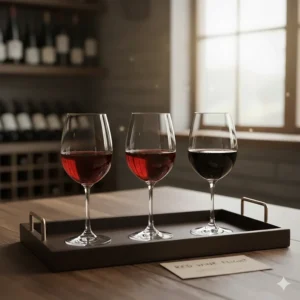
For budget-conscious wine enthusiasts, Private Preserve Wine Preservation System offers professional-grade preservation at an incredibly accessible price. Using a blend of inert gases (argon, nitrogen, and CO2), this system protects opened bottles for months.
Key Specifications:
- 120 uses per canister
- 100% inert gas formula
- Works for wine, port, cognac, whiskey
Customer Feedback: Endorsed by wine critics worldwide, users appreciate the simple four-step spray process. Many report bottles lasting 6+ months when properly stored, making it ideal for restaurant wine service managing multiple open bottles.
✅ Pros:
- Extremely affordable per-use cost
- Professionally recommended
- Versatile for various spirits
❌ Cons:
- Requires recorking immediately after spraying
- Less convenient than integrated systems
Price Range: $10-15
7. Vinotemp 4-Bottle Wine Dispenser
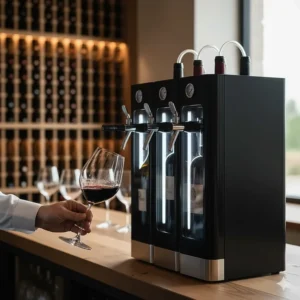
For serious commercial wine service or luxury home bars, the Vinotemp 4-Bottle Wine Dispenser and Preserver represents the ultimate wine by the glass program solution. This temperature-controlled marvel dispenses perfectly chilled wine while preserving quality for weeks.
Key Specifications:
- 4-bottle capacity with individual temperature zones
- Digital temperature control (46°-64°F)
- Custom portion control for tastings or full pours
Customer Feedback: Restaurant owners praise this system for dramatically reducing wine waste and enabling premium bottle programs. The ability to offer $120 bottles by the glass changes the economics of wine service completely.
✅ Pros:
- Professional-grade temperature control
- Eliminates wine waste and theft
- Impressive visual display
❌ Cons:
- Significant investment required
- Requires counter or installation space
Price Range: $800-1,200
Understanding Red Wine by the Glass Service
Serving wine by the glass isn’t just about pouring from a bottle—it’s about creating consistent, exceptional experiences that honor each wine’s unique characteristics. The practice has evolved significantly over the past decade, driven by consumer demand for variety and quality without the commitment of purchasing full bottles.
The Evolution of Wine Service
The concept of wine by the glass programs emerged from European wine bars where patrons wanted to sample different regions and vintages throughout an evening. According to Wine Folly’s serving temperature guide, proper service temperature dramatically affects how wine tastes and smells. Red wines served too warm accentuate alcohol and diminish acidity, while wines served too cold mute aromatics and emphasize harsh tannins.
Modern wine by the glass service addresses three critical challenges: preservation, temperature control, and presentation. Each challenge requires specific tools and techniques to execute properly, whether you’re managing a commercial wine program or curating experiences at home.
Why Wine Glasses Matter
The shape and quality of wine glasses for red wine directly impact the tasting experience. Red wines need larger bowls that allow oxygen exposure, releasing complex aromatics while softening tannins. The wider opening directs wine to different parts of your palate, highlighting fruit characteristics while balancing structure.
Professional sommeliers understand that glass selection can enhance or diminish a wine’s expression. Full-bodied Cabernets benefit from glasses with steep slopes and wider openings, while medium-bodied wines like Pinot Noir prefer bell-shaped glasses with narrower openings that slow how flavors hit your tongue.
Choosing the Perfect Wine Glasses for Red Wine
Glass Design Fundamentals
The anatomy of a proper red wine glass includes several critical elements that work together to enhance your drinking experience. The bowl size determines how much surface area wine has for aeration—larger bowls mean more oxygen contact, which is essential for opening up tannic red wines.
The rim thickness affects how wine flows onto your palate. Thinner rims create a smoother transition, allowing you to focus on the wine rather than the glass. Quality manufacturers like Riedel and Schott Zwiesel have spent decades perfecting rim thickness to enhance the drinking experience.
Stem length serves both practical and aesthetic purposes. Long stems prevent your hand from warming the wine while providing visual elegance. For casual settings, stemless options offer stability and modern appeal, though purists argue they sacrifice temperature control.
Material Considerations
Crystal versus glass represents more than just prestige—the materials genuinely affect wine presentation. True crystal contains lead oxide that increases clarity and allows for thinner construction without sacrificing strength. However, modern lead-free crystal alternatives like Tritan crystal offer similar benefits without health concerns.
Commercial wine glasses need to balance elegance with durability. Restaurant wine service demands glasses that survive hundreds of wash cycles while maintaining clarity. Many establishments choose machine-made crystal that delivers 80% of hand-blown quality at 20% of the cost.
For home use, consider your lifestyle and entertaining frequency. Daily wine drinkers benefit from dishwasher-safe options that don’t require special care, while collectors might invest in hand-blown varietals specific to their favorite wines.
Wine Preservation Systems Explained
How Preservation Technology Works
Wine oxidation begins the moment you remove the cork, starting a clock that races toward spoilage. Oxygen triggers chemical reactions that first enhance wine through controlled aeration, then gradually degrade flavors, aromatics, and color. Understanding this process is crucial for any wine by the glass program.
Preservation systems work by either removing oxygen from the bottle or creating a protective barrier between wine and air. Vacuum pump systems extract air, while gas-based systems replace oxygen with inert gases that won’t react with wine compounds. Each approach has distinct advantages depending on your service model.
Advanced systems like the Coravin Pivot Plus use argon gas—heavier than air, it settles on the wine’s surface creating an impenetrable blanket. Professional systems in commercial wine dispensers combine refrigeration with nitrogen or argon injection, extending wine life to 30+ days while maintaining perfect serving temperatures.
Comparing Preservation Methods
Gas-based systems like Private Preserve offer the longest preservation potential. By spraying a protective layer of inert gases (argon, nitrogen, CO2), these systems can extend wine life for weeks or even months. The key is immediately recorking after gas application to prevent new oxygen from entering.
Mechanical systems like Coravin revolutionized home wine service by allowing pour-through access without removing corks. A thin needle penetrates the cork, argon gas pressurizes the bottle, and wine flows out while maintaining preservation. Once removed, the natural cork reseals itself.
Commercial dispensers represent the ultimate preservation solution, combining refrigeration, controlled dispensing, and gas blankets. These systems enable restaurants to offer premium wines by the glass without fear of spoilage, fundamentally changing the economics of wine programs.
Temperature Control for Optimal Service
The Science of Serving Temperature
Temperature dramatically affects how our palates perceive wine. According to research highlighted by Decanter magazine, serving red wine too warm (above 68°F) accentuates alcohol burn and diminishes refreshing acidity. Conversely, serving too cold (below 55°F) mutes aromatics and amplifies harsh tannins.
Full-bodied reds like Cabernet Sauvignon and Bordeaux blends shine at 60-65°F, where complex flavor compounds volatilize optimally. Medium-bodied wines like Merlot and Sangiovese prefer 55-60°F, while light reds such as Beaujolais excel around 50-55°F—cool enough to highlight their refreshing character.
The traditional advice to serve red wine at “room temperature” dates from pre-central-heating European cellars where ambient temperatures hovered around 60°F. Modern room temperatures of 72-75°F are far too warm for optimal red wine service.
Practical Temperature Management
For restaurant wine service, dedicated wine refrigerators with zone control solve temperature challenges elegantly. Red wine zones set at 55-58°F mean wines need just 10-15 minutes at room temperature to reach optimal serving conditions. This approach ensures consistency across every glass poured.
Home enthusiasts can achieve professional results with simple techniques. Place red wines in your standard refrigerator for 15-20 minutes before serving to bring them down from room temperature. For wines stored in a proper wine cellar at 55°F, allow 30 minutes of warming before pouring.
Wine dispensers like the Vinotemp 4-Bottle eliminate temperature guesswork entirely, maintaining each bottle at its programmed ideal temperature. This precision ensures every pour showcases the wine exactly as the winemaker intended, whether you’re serving Pinot Noir at 58°F or Cabernet at 64°F.
Building a Wine by the Glass Program
Home Wine Service Excellence
Creating a memorable wine by the glass experience at home starts with selecting 3-4 bottles representing different styles—perhaps a light Pinot Noir, medium-bodied Merlot, and full-bodied Cabernet. Using preservation systems like Private Preserve or Coravin, you can offer guests genuine variety without worrying about waste.
Invest in quality glassware that enhances each varietal’s characteristics. A set of universal red wine glasses like the Riedel Wine Friendly provides professional-level service without requiring extensive storage. Pair with a Vinturi aerator for instant decanting, and you’ve created a setup that rivals upscale wine bars.
Temperature management completes the triangle. A wine refrigerator or dedicated cooling zone keeps bottles ready to serve at optimal temperatures. For special occasions, use an ice bucket with cold water (not just ice) to quickly chill wines that have warmed too much.
Commercial Wine Service Strategy
Restaurant wine service faces unique challenges: managing inventory, controlling costs, preventing waste, and maintaining quality across potentially dozens of open bottles. Successful programs balance premium selections with practical preservation, often using tiered approaches based on wine price points.
Entry-level programs might use simple gas preservation for moderately priced bottles consumed within days, while premium selections justify investment in advanced preservation systems. The Vinotemp Wine Dispenser enables restaurants to offer $100+ bottles by the glass profitably, transforming wine programs from cost centers into profit drivers.
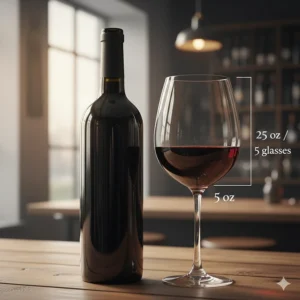
Portion control matters tremendously in commercial settings. Standard pours of 5-6 ounces from 750ml bottles yield 4-5 glasses, but precision pouring prevents over-serving that erodes margins. Automated dispensers eliminate guesswork while providing valuable inventory tracking and theft prevention.
Pricing and Profit Optimization
Industry research indicates retail wine stores with sampling programs see customers spend 40% more per bottle on average. The same principle applies to restaurant wine service—customers trying wines they’d never order as full bottles often upgrade their selections significantly.
Successful pricing typically marks up wine by the glass 2-3 times the wholesale bottle cost divided by 5 glasses. This model accounts for preservation costs, glassware, service, and expected waste. Premium preservation systems justify higher margins by eliminating spoilage on expensive bottles.
Aerating Red Wine: When and How
Understanding Aeration Benefits
Aeration accelerates the chemical reactions that occur when wine contacts oxygen, effectively fast-forwarding the aging process that softens tannins and opens aromatic compounds. Young, tannic reds benefit most from aggressive aeration, while delicate older wines require gentler approaches to avoid damaging fragile characteristics.
The Vinturi Wine Aerator exemplifies modern aeration technology, using the Bernoulli principle to create a pressure differential that draws precise amounts of air into wine as it pours. This venturi effect mimics hours of decanting in seconds, making it ideal for wine by the glass service where immediate improvement matters.
Not all red wines require aeration. Light-bodied, delicate wines like aged Burgundy or old Pinot Noir can lose subtle nuances with aggressive aeration. Conversely, young Cabernet Sauvignon, Barolo, or Bordeaux blends often taste harsh and closed without proper air exposure.
Aeration Methods Compared
Traditional decanting involves pouring wine into a large vessel, maximizing surface area for oxygen contact. This gentle method works beautifully for older wines with sediment, allowing careful separation while providing controlled aeration. However, it requires 30-90 minutes of advance planning.
Pour-through aerators like Vinturi or integrated systems in the Coravin Pivot Plus provide instant results perfect for by-the-glass service. As wine passes through the aerator chamber, turbulence mixes precise amounts of air, delivering decanter results in seconds. This convenience makes aerators essential for restaurants and impromptu entertaining.
Some commercial wine dispensers incorporate aeration into their pouring systems, ensuring every glass receives optimal oxygen exposure. This automation guarantees consistency—critical when multiple staff members pour wines throughout service.
Glass Cleaning and Maintenance
Proper Washing Techniques
Crystal wine glasses demand specific care to maintain clarity and prevent damage. Hand washing in warm water with minimal detergent prevents the clouding that occurs when harsh chemicals etch crystal surfaces. Avoid twisted stems during washing—the point where bowl meets stem is particularly vulnerable to stress fractures.
For dishwasher-safe glasses like the Libbey Kentfield or ZWIESEL GLAS Pure Cabernet, use gentle cycles with minimal detergent and rinse aid. Position glasses securely in upper racks away from high-heat elements. Many professional sommeliers still prefer hand washing even dishwasher-safe crystal to extend glassware life.
Drying technique matters as much as washing. Air drying on specialized racks prevents water spots and eliminates lint transfer from towels. When towel drying is necessary, use lint-free microfiber cloths and hold glasses by the bowl rather than twisting the stem.
Preventing Common Problems
Cloudiness and film buildup plague many wine glasses, usually resulting from hard water minerals or detergent residue. Combat this by rinsing glasses thoroughly after washing and occasionally soaking cloudy glasses in white vinegar solution to remove mineral deposits.
Lipstick and lip balm create stubborn stains that regular washing misses. Pre-treat these spots with a paste of baking soda and water before washing, or use specialized glass-cleaning foam designed for cosmetic residue removal.
Storage prevents many problems before they start. Store wine glasses upright in protected cabinets rather than hanging them bowl-down, which traps odors and moisture. Adequate spacing prevents chips and scratches from glass-to-glass contact.
Selecting Wines for By-the-Glass Programs
Creating Balanced Selections
Successful wine by the glass programs offer variety across multiple dimensions: body (light to full), price (value to premium), and style (fruit-forward to earthy). This diversity ensures every customer finds appealing options regardless of preferences or budget.
A well-designed home program might include a light Pinot Noir for easy drinking, a medium-bodied Chianti for Italian food pairings, and a bold Cabernet for steak nights. Using white wine by the glass options alongside reds provides complete flexibility for any meal or occasion.
Restaurant programs scale this concept, often featuring 8-15 red options spanning $8-30 per glass. Strategic curation balances familiar crowd-pleasers (Cabernet, Merlot) with interesting discoveries that build customer trust and encourage exploration.
Rotation and Freshness Strategy
Even with preservation systems, rotating selections keeps programs fresh and exciting. Monthly featured wines create urgency and conversation while moving through inventory before quality degrades. This approach works equally well for home wine enthusiasts building excitement around wine discoveries.
Track opening dates religiously, even with advanced preservation. Most preservation systems excel for 2-4 weeks, but quality degradation varies by wine structure. Full-bodied, tannic reds generally last longer than delicate, aged wines with fragile balance.
Seasonal adjustments align wine selections with weather and food preferences. Lighter, chillable reds shine during summer months, while big, bold wines warm winter evenings. This natural rhythm keeps selections feeling fresh and relevant.
Comparison: Home vs. Commercial Wine Service
| Factor | Home Service | Commercial Service |
|---|---|---|
| Preservation Priority | Flexibility and cost | Consistency and volume |
| Ideal System | Coravin or Private Preserve | Commercial dispensers |
| Glass Selection | 1-2 universal styles | Multiple varietal-specific |
| Temperature Control | Wine fridge or cooler | Multi-zone commercial units |
| Average Investment | $150-500 | $5,000-25,000 |
| Bottles Managed | 2-6 open bottles | 12-50+ open bottles |
FAQ: Red Wine by the Glass Questions Answered
❓ How long does red wine by the glass stay fresh with preservation systems?
❓ What temperature should red wine by the glass be served at restaurants?
❓ Do wine glasses red wine glasses really make a difference in taste?
❓ How much does a commercial wine by the glass program cost to implement?
❓ Can you use white wine by the glass equipment for red wines?
Conclusion: Elevating Your Wine by the Glass Experience
The evolution of wine by the glass service has democratized access to exceptional wines while creating new opportunities for exploration and discovery. Whether you’re building a commercial wine glasses collection for your restaurant or curating a sophisticated home setup, the tools and techniques available in 2026 make it easier than ever to deliver professional-quality experiences.
Success in wine by the glass programs rests on three pillars: proper glassware that enhances each wine’s characteristics, preservation systems that maintain freshness and quality, and temperature control that showcases wines at their optimal expression. The products reviewed in this guide represent the best solutions across all price points and use cases.
For home enthusiasts, starting with quality universal glasses like the ZWIESEL GLAS Pure Cabernet or Riedel Wine Friendly, adding a Coravin or Private Preserve system for flexibility, and incorporating a Vinturi aerator for instant improvement creates a setup that rivals upscale wine bars. This investment—typically under $300—transforms how you enjoy and share wine.
Restaurant operators face more complex challenges but also greater rewards. Modern commercial wine dispensers eliminate the traditional barriers to offering premium wines by the glass, turning what was once a profit-limiting exercise into a major revenue driver. The ability to pour $100+ bottles without spoilage risk fundamentally changes program economics.
Remember that perfect red wine by the glass service combines technical excellence with genuine hospitality. The finest equipment means nothing without proper training, thoughtful selection, and passionate service. Master the fundamentals, invest wisely in quality tools, and let your love of wine shine through every pour.
Recommended for You
- 7 Best Sherry Wine Glasses That Transform Your Tasting in 2026
- Rose Wine Glass: 7 Best Picks for Perfect Rosé in 2026
- 7 Best Dessert Wine Glasses 2026 | Port & Sweet Wine Glass Guide
Disclaimer: This article contains affiliate links. If you purchase products through these links, we may earn a small commission at no additional cost to you.
✨ Found this helpful? Share it with your friends! 💬🤗
