In This Article
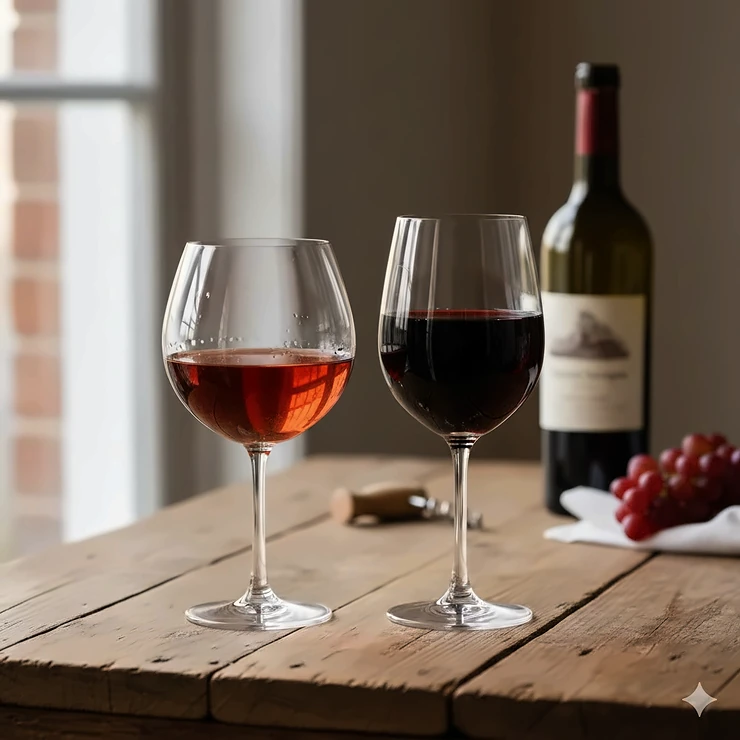
I’ll never forget the moment I realized my wine glasses were sabotaging my tasting experience. There I was, sipping a $50 bottle of Napa Valley Cabernet from a basic tumbler, wondering why everyone raved about this particular vintage. The next day, I tried the same wine in a proper cabernet sauvignon wine glass—and suddenly, everything made sense. The bouquet exploded with dark cherry and vanilla notes I’d completely missed, and the tannins felt smoother, more integrated.
That’s when I discovered what sommeliers have known for centuries: the shape of your glass isn’t just about aesthetics. According to research published in the Journal of Sensory Studies, wine glass shape significantly influences how we perceive aroma attributes, with specific dimensions affecting both intensity and elegance of the bouquet. A study found that wines were perceived as more intense and elegant in glasses with smaller cuppa heights and larger ratios between the maximum and opening diameter.
But here’s the thing—you don’t need to spend a fortune or own 15 different glass types. You just need the right cabernet wine glass that understands the science behind this full-bodied varietal. Whether you’re buying your first set or upgrading from those wedding gift glasses gathering dust, this guide will walk you through everything you need to know about cabernet sauvignon wine glasses in 2026.
Quick Comparison Table: Best Cabernet Sauvignon Wine Glasses at a Glance
| Product | Capacity | Material | Price Range | Best For | Rating |
|---|---|---|---|---|---|
| Riedel Vinum Cabernet/Merlot | 21 oz | Lead Crystal | $60-$80 (set of 2) | Premium collectors | ⭐⭐⭐⭐⭐ |
| Zalto Denk’Art Bordeaux | 765 ml | Hand-Blown Crystal | $85-$95 (each) | Serious enthusiasts | ⭐⭐⭐⭐⭐ |
| Schott Zwiesel Vinos Bordeaux | 26 oz | Tritan Crystal | $45-$55 (set of 4) | Everyday luxury | ⭐⭐⭐⭐½ |
| Spiegelau Vino Grande Bordeaux | 21.9 oz | Lead-Free Crystal | $40-$50 (set of 4) | Restaurant quality | ⭐⭐⭐⭐½ |
| Luigi Bormioli Atelier Cabernet | 23.75 oz | SON.hyx Crystal | $35-$45 (set of 6) | Value seekers | ⭐⭐⭐⭐ |
| Libbey Vineyard Reserve Cabernet | 22 oz | Clear Glass | $20-$25 (set of 4) | Budget-conscious | ⭐⭐⭐⭐ |
| Nachtmann Vivendi Bordeaux | 25 oz | Platinum Crystal | $30-$40 (set of 4) | Gifting option | ⭐⭐⭐⭐ |
💬 Just one click – help others make better buying decisions too!😊
Top 7 Cabernet Sauvignon Wine Glasses: Expert Analysis
1. Riedel Vinum Cabernet Sauvignon/Merlot Glass
If there’s one glass that defines the category, it’s the Riedel Vinum Cabernet/Merlot. This Austrian-made marvel has been the gold standard since 1986, when it became the first machine-made varietal-specific glass in history. I’ve used these glasses for over three years, and they still feel like the day I unboxed them—which says something about Riedel’s commitment to quality.
Key Specifications:
- Capacity: 21 ounces
- Height: 9.25 inches
- Material: Over 24% lead crystal
- Dishwasher safe
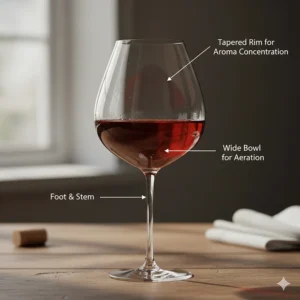
The generous bowl allows Cabernet to breathe properly, while the tapered rim concentrates those complex aromas straight to your nose. What I love most is how it tames tannins—even young, aggressive Cabs taste more balanced. Customer feedback consistently praises the glass’s ability to reveal subtle notes that cheaper glasses miss entirely.
✅ Pros:
- Enhances fruit while softening bitter tannins
- Perfect height-to-width ratio for optimal aeration
- Trusted by professional sommeliers worldwide
❌ Cons:
- Higher price point per glass
- Lead crystal requires careful handling
Price Range: $60-$80 for set of 2
2. Zalto Denk’Art Bordeaux Glass
The Zalto Denk’Art Bordeaux Glass is what happens when Austrian engineering meets centuries of glassmaking tradition. Each glass is hand-blown by master artisans in Europe, creating a vessel so light and balanced it almost disappears in your hand. At 9.1 inches tall with a 4.3-inch bowl width, these glasses are preferred by Michelin-starred restaurants for good reason.
Key Specifications:
- Capacity: 765 ml (approximately 26 oz)
- Height: 9.1 inches
- Material: Lead-free hand-blown crystal
- Bowl width: 4.3 inches
According to Wine Folly’s glassware research, the shape significantly affects ethanol vapor distribution, which directly impacts how we perceive wine aromas. The Zalto’s ultra-thin rim delivers wine smoothly without interference, letting the Cabernet speak for itself. Users report that the glass genuinely transforms the tasting experience, particularly with complex bordeaux blend glasses.
✅ Pros:
- Unmatched clarity and lightness
- Perfect for showcasing premium wines
- Dishwasher safe despite delicate appearance
❌ Cons:
- Premium price (typically $85+ per glass)
- Requires careful handling and storage
Price Range: $85-$95 each
3. Schott Zwiesel Vinos Bordeaux Red Wine Glass
German engineering at its finest, the Schott Zwiesel Vinos Bordeaux combines elegance with remarkable durability. Made from patented Tritan crystal glass—a titanium and zirconium oxide blend—these glasses resist breakage, chipping, and scratching better than traditional crystal. I’ve dropped one from counter height onto tile (don’t ask), and it survived without a scratch.
Key Specifications:
- Capacity: 26 ounces
- Height: 10.9 inches
- Material: Tritan Crystal Glass
- Made in Germany
The elongated stem gives these glasses a graceful profile perfect for both casual dinners and formal gatherings. The wide bowl with tapering rim allows tannin-rich bordeaux wine glasses to unfold their bouquet beautifully. Customer reviews frequently mention these as “bulletproof” compared to lead crystal alternatives.
✅ Pros:
- Exceptional break resistance
- Maintains brilliance after hundreds of dishwasher cycles
- Great value for set of 4
❌ Cons:
- Slightly heavier feel than lead crystal
- Less dramatic taper than some premium options
Price Range: $45-$55 for set of 4
4. Spiegelau Vino Grande Bordeaux Wine Glass
Spiegelau Vino Grande Bordeaux glasses bring five centuries of glassmaking expertise to your table. As a sister company to Riedel (both owned by the same parent), Spiegelau offers similar quality at a more accessible price point. These tall red wine glasses are the choice of world-class restaurants because they deliver premium performance without the premium price tag.
Key Specifications:
- Capacity: 21.9 ounces
- Material: Lead-free crystal
- Made in Germany
- Professional-grade quality
What sets Spiegelau apart is their collaboration with respected sommeliers to ensure each glass enhances the drinking experience. The Vino Grande’s classic shape works beautifully with Cabernet Sauvignon, Merlot, and other bordeaux blend glasses. The crystal is more durable than standard glass while maintaining exceptional clarity.
✅ Pros:
- Professional quality at consumer prices
- Dishwasher safe and break-resistant
- Elegant enough for special occasions
❌ Cons:
- Less hand-crafted feel than Zalto
- May feel too formal for everyday use
Price Range: $40-$50 for set of 4
5. Luigi Bormioli Atelier Cabernet/Merlot Wine Glass
Italian craftsmanship meets innovative technology in the Luigi Bormioli Atelier Cabernet/Merlot glass. These beauties are made with SON.hyx, a proprietary lead-free crystal that offers extreme brilliance and durability. The angled bowl isn’t just for show—it increases surface area for light refraction, making your Cabernet look as good as it tastes.
Key Specifications:
- Capacity: 23.75 ounces
- Material: SON.hyx lead-free crystal
- Titanium-reinforced stems
- Made in Parma, Italy
The stems are reinforced with titanium, increasing breakage resistance by 140% compared to standard glasses. Luigi Bormioli backs these with a 25-year guarantee covering chipping, discoloration, and cloudiness from dishwashing. For a set of 6, these cabernet wine glass options deliver outstanding value. Customer feedback consistently highlights the perfect balance between affordability and quality.
✅ Pros:
- Excellent value (set of 6 vs 4)
- 25-year warranty included
- Beautiful Italian design
❌ Cons:
- Slightly wider bowl than some prefer
- Less brand recognition than Riedel
Price Range: $35-$45 for set of 6
6. Libbey Vineyard Reserve Cabernet Sauvignon Glass
Don’t let the budget-friendly price fool you—the Libbey Vineyard Reserve Cabernet Sauvignon glass punches well above its weight class. Made in the USA, these glasses feature a tall, wide bowl that allows rich aromas to circulate while directing wine to the back of the palate. They’re the perfect starter set for anyone beginning their wine glass journey.
Key Specifications:
- Capacity: 22 ounces
- Height: Approximately 9 inches
- Material: Clear glass
- Made in USA
According to Wikipedia, bordeaux wine glass designs are characterized by tall structures with broad bowls, directing wine to the back of the mouth—exactly what Libbey delivers here. While they lack the ultra-thin rims of premium crystal, they perform admirably for everyday use. The dishwasher-safe construction means you won’t baby these glasses, making them ideal for casual entertaining.
✅ Pros:
- Unbeatable price for quality
- Perfect for daily use without worry
- Made in USA
❌ Cons:
- Standard glass rather than crystal
- Less refined than premium options
Price Range: $20-$25 for set of 4
7. Nachtmann Vivendi Bordeaux Glass
The Nachtmann Vivendi Bordeaux glass represents the sweet spot between quality and affordability. As part of the Spiegelau & Nachtmann family (owned by Riedel), these glasses benefit from centuries of expertise. The tulip-shaped design amplifies the aroma and flavor of cabernet sauvignon wine glass offerings while maintaining break resistance through platinum crystal technology.
Key Specifications:
- Capacity: 25 ounces
- Height: Approximately 9.5 inches
- Material: Platinum crystal glass
- Made in Germany
Designed in collaboration with renowned sommeliers and restaurateurs, the Vivendi collection is trusted by fine dining establishments worldwide. The long stem and elegant profile make these perfect for gift-giving—whether for weddings, housewarmings, or anniversaries. Users appreciate how the glasses maintain their clarity after hundreds of dishwasher cycles.
✅ Pros:
- Restaurant-quality at home prices
- Beautiful gift-worthy packaging
- Excellent break resistance
❌ Cons:
- Less dramatic bowl shape than Riedel
- Heavier than hand-blown alternatives
Price Range: $30-$40 for set of 4
✨ Don’t Miss These Exclusive Deals!
🔍 Take your wine tasting to the next level with these carefully selected products. Click on any highlighted item to check current pricing and availability on Amazon. These glasses will help you experience authentic wine appreciation your palate will love!
What Makes a Cabernet Sauvignon Wine Glass Special?
You might wonder: can’t I just use any red wine glass for Cabernet? Technically yes, but here’s what you’re missing. The ideal cabernet glass shape is specifically engineered to address this varietal’s unique characteristics—high tannin content, bold fruit flavors, and complex aromatic compounds.
The Science Behind the Shape
Research from Tokyo Medical and Dental University demonstrated that different glass shapes bring out completely different bouquets and finishes from the same wine. Using specialized cameras, scientists tracked ethanol vapor distribution in various glasses, proving that shape directly affects density and position of aromatic compounds at the glass opening.
Key Design Elements
Tall Bowl Architecture
Cabernet sauvignon wine glasses typically stand 9-10 inches tall with bowls holding 20-26 ounces. This height isn’t arbitrary—it creates the perfect distance for aromas to travel, concentrating them at the nose while allowing your hand to hold the stem without warming the wine.
Broad Base with Tapered Rim
The wide bowl maximizes surface area, exposing Cabernet to oxygen that softens aggressive tannins. As the glass tapers toward the rim, it funnels concentrated aromas directly to your olfactory receptors. According to industry experts, this prevents tannins from tasting rough, drying, or bitter—common issues when Cabernet is served in smaller glasses.
Optimal Rim Thickness
Premium bordeaux wine glass designs feature ultra-thin rims (less than 1mm thick) that feel almost invisible against your lips. This minimizes interference between the wine and your palate, ensuring the first sensation you experience is the wine itself, not the glass.
Cabernet vs Bordeaux vs Burgundy: Understanding Wine Glass Differences
The wine glass world can feel overwhelming with its specialized terminology. Let’s break down the key differences so you can make informed decisions.
Cabernet Wine Glass Characteristics
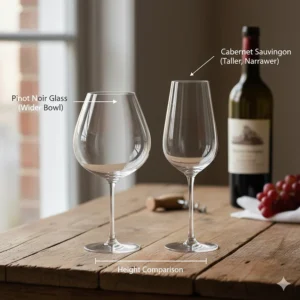
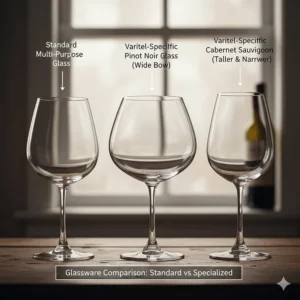
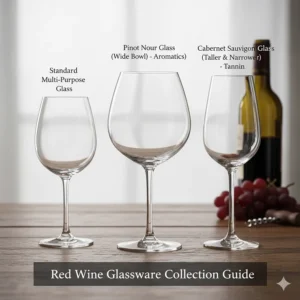
Cabernet-specific glasses feature tall, broad bowls (20-23 oz capacity) with moderately tapered rims. They’re designed to enhance full-bodied, high-tannin red wines by providing ample surface area for aeration while directing wine to the back of your tongue, where bitterness is less pronounced.
Bordeaux Wine Glass Characteristics
Bordeaux wine glasses are nearly identical to Cabernet glasses—in fact, they’re often used interchangeably. Bordeaux refers to the French region where Cabernet-dominant blends originated. These glasses work beautifully for Cabernet Sauvignon, Merlot, Cabernet Franc, Malbec, and Petit Verdot.
Burgundy Wine Glass Differences
Burgundy glasses have dramatically wider, rounder bowls (often 24-28 oz) with shorter heights. They’re designed for delicate wines like Pinot Noir that benefit from maximum aeration but don’t need the height-to-tame-tannins that Cabernet requires. Using a Burgundy glass for Cabernet can make the wine taste more acidic and less structured.
When to Use Which Glass
- Cabernet Sauvignon: Cabernet or Bordeaux glass
- Merlot-dominant Bordeaux: Bordeaux glass
- Bordeaux blends: Either Cabernet or Bordeaux glass
- Pinot Noir: Burgundy glass (different category entirely)
- Everyday drinking: Universal wine glass
Material Matters: Crystal vs Glass Explained
The crystal-versus-glass debate isn’t just about snobbery—there are real, tangible differences that affect your tasting experience and long-term satisfaction with your purchase.
Lead Crystal (Traditional)
Traditional lead crystal contains 24-30% lead oxide, creating exceptional clarity, weight, and light refraction. The higher lead content allows manufacturers to produce thinner walls and rims without sacrificing strength. Lead crystal produces that distinctive “ring” when tapped gently.
Advantages: Unmatched brilliance, optimal thinness, prestigious feel
Disadvantages: Requires hand washing (though some modern lead crystal is dishwasher safe), higher price, contains lead (though the amount that leaches into wine is negligible)
Lead-Free Crystal
Modern lead-free crystal replaces lead oxide with materials like barium, zinc, or potassium. Brands like Zalto and Spiegelau have perfected lead-free formulas that rival traditional crystal’s clarity and strength while offering better durability.
Advantages: Dishwasher safe, no lead concerns, excellent clarity
Disadvantages: Slightly heavier than lead crystal, may not “ring” the same
Tritan Crystal Glass
Schott Zwiesel’s patented Tritan technology uses titanium and zirconium oxide to create incredibly durable crystal that resists breakage, chipping, and scratching. It maintains clarity through thousands of dishwasher cycles—a game-changer for everyday use.
Advantages: Exceptional durability, maintains brilliance forever, commercially proven
Disadvantages: Slightly heavier feel, higher upfront cost (but lasts longer)
Standard Glass
Basic soda-lime glass is what you’ll find in budget options like Libbey. While it lacks crystal’s brilliance and lightness, quality glass manufacturers can still produce excellent cabernet wine glass designs that perform well for everyday drinking.
Advantages: Affordable, worry-free, widely available
Disadvantages: Thicker rims, less clarity, prone to cloudiness over time
How to Choose the Perfect Cabernet Sauvignon Wine Glass for Your Needs
Selecting the right cabernet sauvignon wine glasses requires balancing several factors against your personal circumstances and preferences. Here’s my framework for making the decision that serves you best.
Assess Your Usage Patterns
Daily Drinkers: If you enjoy wine several times per week, prioritize durability and dishwasher safety. Schott Zwiesel or Spiegelau offer excellent performance without requiring white-glove treatment. You want glasses that enhance your experience without adding stress.
Special Occasion Users: For those who break out the good glasses only for dinner parties or special wines, investing in premium options like Riedel or Zalto makes sense. Since they’ll see less frequent use, the extra care required is less burdensome.
Restaurant Professionals: Commercial settings demand glasses that withstand constant washing and handling. Tritan crystal glass options from Schott Zwiesel or Nachtmann are specifically designed for high-volume operations.
Consider Your Storage Situation
Tall bordeaux wine glasses require adequate cabinet height—measure your storage space before purchasing 10-inch glasses. If cabinet space is limited, look for slightly shorter options or consider stemless alternatives (though purists argue these compromise the experience by warming the wine).
Match Your Budget to Value
Don’t fall into the trap of thinking you need to spend $100+ per glass. The differences between a $40/set and $400/set are real but may not justify the cost for casual enthusiasts. Focus on the key features: proper bowl shape, thin rim, and quality construction. A well-designed $10 glass often outperforms a poorly designed $30 glass.
Think About Dishwasher Requirements
Hand washing delicate crystal isn’t everyone’s idea of fun after dinner. Be honest about whether you’ll actually hand wash glasses or if they’ll languish dirty in the sink. Many modern cabernet wine glasses are legitimately dishwasher safe—just avoid harsh detergents and extreme heat cycles.
Factor in Replacement Reality
Breakage happens. Consider whether you can easily replace individual glasses or if you need to buy a full set each time. Widely available brands like Riedel, Schott Zwiesel, and Libbey offer better long-term value since replacements are readily accessible.
Proper Care and Maintenance for Crystal Wine Glasses
You’ve invested in quality cabernet sauvignon wine glasses—now let’s keep them pristine for years to come. Crystal requires different care than everyday glassware, but it’s not as intimidating as you might think.
Hand Washing Techniques
Step 1: Use Lukewarm Water
Never use extremely hot water, which can shock crystal and cause cracking. Lukewarm water (around 100-110°F) with a drop of mild dish soap works perfectly.
Step 2: Secure the Base
Place a rubber mat or folded towel in your sink bottom to prevent accidental knocks. Hold the glass by the bowl, not the stem—stems can snap under twisting pressure.
Step 3: Clean Gently
Use a soft sponge or microfiber cloth to clean inside and out. Never use abrasive scrubbers that can scratch crystal. For stubborn wine stains, fill the glass with warm water and a denture tablet, let soak for 30 minutes, then wash normally.
Step 4: Rinse Thoroughly
Soap residue affects wine taste and leaves water spots. Rinse under running water until the glass squeaks when rubbed—that’s how you know it’s residue-free.
Step 5: Dry Immediately
Use a lint-free microfiber towel to dry glasses immediately after rinsing. Hold the bowl while drying—never twist the stem. Allow glasses to air-dry completely before storing.
Dishwasher Guidelines for Safe Glasses
For bordeaux wine glasses labeled dishwasher safe:
- Use the top rack only
- Ensure adequate spacing between glasses (no touching)
- Use gentle, crystal-safe detergent without citrus or harsh chemicals
- Select a gentle or crystal cycle with lower temperature
- Remove glasses promptly to air-dry before heat cycle begins
- Never force glass bowls over dishwasher prongs—this causes stem stress
Storage Best Practices
Upright vs Inverted:
Store cabernet wine glass collections upright to protect delicate rims from chipping. Storing inverted on a shelf can trap odors and dust inside the bowl. If cabinet space requires inverted storage, use specialty stemware racks with cushioned supports.
Adequate Spacing:
Leave at least 1-2 inches between glasses to prevent clinking and chipping during daily cabinet use. Consider stemware organizers that secure each glass individually.
Avoid Temperature Extremes:
Don’t store wine glasses near heat sources (ovens, dishwashers) or in unheated garages where temperature fluctuations can weaken crystal over time.
The Truth About Wine Glass Shapes: Does It Really Matter?
Here’s where I’ll be brutally honest: the wine industry has sometimes oversold the importance of glass shape, creating fear that using the “wrong” glass ruins your wine. The truth lives somewhere in the middle.
What Science Actually Shows
A 2015 study from Japan using specialized imaging technology demonstrated that glass shape affects ethanol vapor concentration at the rim. Different shapes created measurably different aromatic profiles from identical wines. A 2023 study in the Journal of Sensory Studies found that tasters perceived wines as more intense and elegant in glasses with specific dimension ratios.
However, Wikipedia notes that “the effect of glass shape on the taste of wine has not been demonstrated decisively by any scientific study and remains a matter of debate.” The tongue map theory (different parts of the tongue taste different flavors) has been thoroughly debunked, yet it’s still used to justify glass shapes.
Where Shape Makes the Biggest Difference
Tannin-Heavy Wines:
For high-tannin varieties like Cabernet Sauvignon, glass shape genuinely matters. The broad bowl and tapered rim of proper bordeaux blend glasses measurably softens perceived bitterness and astringency.
Aromatic Compounds:
Concentration of volatile aromatic compounds at the rim is real and measurable. Tall red wine glasses with proper taper deliver noticeably more intense bouquet than generic tumblers.
Oxygen Exposure:
Surface area determines oxidation rate, which directly affects how wine evolves in the glass. Young Cabernets benefit substantially from the extra exposure provided by 20+ ounce bowls.
Where Shape Makes Less Difference
Personal Preference:
Your sensory perception, experience level, and attention during tasting matter more than glass shape. A focused taster in a basic glass will perceive more than a distracted taster in premium crystal.
Wine Quality:
A $10 wine won’t become a $50 wine in an expensive glass. Quality glassware enhances good wine; it can’t fix bad wine.
Casual Enjoyment:
If you’re sipping wine while cooking dinner or watching TV, the glass barely matters. Save the analysis for deliberate tasting sessions.
Common Mistakes to Avoid When Buying Wine Glasses
I’ve made every mistake on this list (some multiple times), so learn from my expensive lessons and avoid these common pitfalls.
Buying Too Large or Too Small
The Problem: Many people assume bigger is always better, ending up with 30-ounce monsters that are unwieldy and difficult to store. Conversely, some buy undersized glasses thinking they’re being practical, only to discover they can’t properly swirl the wine.
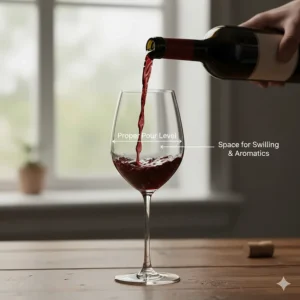
The Solution: Stick to 20-25 ounce capacity for cabernet sauvignon wine glasses. This provides adequate bowl space without becoming cumbersome. Remember, you’re only filling the glass 1/4 to 1/3 full.
Ignoring Rim Thickness
The Problem: Thick rims create a noticeable barrier between your lips and the wine, fundamentally altering the tasting experience. This is the single biggest difference between budget and premium glasses.
The Solution: Before purchasing, check product descriptions for rim thickness. Look for terms like “fine rim,” “thin rim,” or “laser-cut rim.” If ordering online, read reviews specifically mentioning rim quality.
Prioritizing Looks Over Function
The Problem: Those gorgeous colored or etched glasses look stunning on your shelf but can obscure wine color and add unwanted flavors or aromas. Wine evaluation begins visually—you need to see clarity, color depth, and viscosity.
The Solution: Choose completely clear, uncolored, undecorated glasses for serious tasting. Save decorative glassware for cocktails or water.
Buying the Wrong Quantity
The Problem: Purchasing sets of 2 creates awkward situations when hosting more than one guest. Conversely, buying 12 of ultra-premium glasses strains budgets unnecessarily.
The Solution: Buy 6-8 glasses for everyday use and 4 premium glasses for special occasions. This balances practicality with having enough for small dinner parties.
Not Reading Return Policies
The Problem: Crystal glasses may arrive chipped or broken. Some retailers won’t accept returns on opened glassware, leaving you stuck with defective products.
The Solution: Purchase from retailers with generous return policies. Amazon, Crate & Barrel, and Williams Sonoma typically accept returns on glassware even after opening.
Mixing Glass Types at the Table
The Problem: Using different glass shapes at a dinner party creates an unbalanced visual experience and can make guests feel they’re being treated unequally.
The Solution: If you can’t provide matching cabernet wine glasses for all guests, use a universal wine glass for everyone rather than mixing Bordeaux and Burgundy styles.
Cabernet Wine Glass Sizes: Finding Your Perfect Capacity
The capacity numbers on wine glasses can be confusing—here’s what they actually mean for your pour and experience.
Understanding Capacity Numbers
When you see “22 oz capacity,” that’s the total volume if filled to the absolute brim (which you should never do). For proper wine serving:
- Red Wine Pour: 5-6 ounces per serving
- Tasting Pour: 2-3 ounces per serving
- Maximum Fill: Never exceed half-full
Size Categories Explained
Compact Cabernet Glasses (18-20 oz):
These work well for smaller hands, limited storage space, or casual sipping. They provide adequate surface area for basic aeration but may feel restrictive for serious swirling.
Standard Cabernet Glasses (20-24 oz):
The sweet spot for most drinkers. Large enough for proper technique without being ostentatious. This is what you’ll find in most restaurants and wine bars.
Generous Bordeaux Glasses (24-27 oz):
Preferred by collectors and enthusiasts who want maximum aeration and aroma concentration. These demand careful handling and adequate cabinet space.
Oversized Glasses (27+ oz):
Generally unnecessary unless you’re specifically comparing young, tannic wines that need aggressive aeration. The visual drama can feel impressive but functionality plateaus beyond 26 ounces.
Matching Capacity to Wine Style
Young Cabernet Sauvignon:
Choose larger glasses (24-26 oz) to provide maximum oxygen exposure that softens aggressive tannins and opens up fruit character.
Aged Cabernet:
Older wines with integrated tannins don’t require as much aeration. Standard 20-22 oz glasses work beautifully without over-oxidizing delicate aged characteristics.
Bordeaux Blends:
Merlot-dominant blends typically need less aeration than Cabernet-dominant wines. Medium glasses (20-23 oz) provide flexibility.
FAQs: Your Cabernet Wine Glass Questions Answered
❓ What is the best glass shape for cabernet sauvignon wine?
❓ Can I use bordeaux wine glasses for cabernet sauvignon?
❓ How much should I fill a cabernet wine glass?
❓ Are expensive wine glasses worth the investment?
❓ What's the difference between cabernet and burgundy wine glasses?
Conclusion: Finding Your Perfect Cabernet Sauvignon Wine Glass Match
After exploring materials, shapes, brands, and sizes, here’s the bottom line: the best cabernet sauvignon wine glass is the one you’ll actually use regularly. That Zalto sitting in your cabinet because you’re afraid to break it isn’t serving anyone. Your wine drinking experience should enhance life, not create anxiety.
For most people, I recommend starting with a set of Schott Zwiesel Vinos Bordeaux or Spiegelau Vino Grande Bordeaux glasses. They offer exceptional quality, dishwasher convenience, and durability that removes the fear factor. Use them liberally, enjoy your wine, and if one breaks, it’s a $12 replacement, not a $90 tragedy.
If you’re serious about wine appreciation and willing to invest in the experience, add a pair of Riedel Vinum or Zalto Denk’Art glasses for special bottles. The difference is real and noticeable—just not $300 noticeable unless you’re tasting $100+ wines.
Budget-conscious wine lovers shouldn’t feel excluded from quality experiences. The Libbey Vineyard Reserve or Luigi Bormioli Atelier sets deliver remarkable value, proving that good design matters more than brand prestige.
Remember: wine glass science supports the importance of proper shape, but your enjoyment ultimately depends on the wine itself, the company you keep, and the memories you create. A $50 bottle in a $10 glass shared with friends beats a $10 bottle in a $50 glass drunk alone every time.
Now go pour yourself something wonderful and put these glasses to their intended use—celebrating life’s moments, both big and small. Cheers! 🍷
Recommended for You
- 7 Best Pinot Noir Wine Glasses That Transform Your Sip (2026)
- 7 Best Stemless White Wine Glasses for Modern Wine Lovers 2026
- 7 Best Etched Red Wine Glasses That Transform Your Wine Experience in 2026
Disclaimer: This article contains affiliate links. If you purchase products through these links, we may earn a small commission at no additional cost to you.
✨ Found this helpful? Share it with your wine-loving friends! 💬🤗
