

In This Article
Picture this: you’re hosting an intimate dinner party, and as you pour a ruby-red Cabernet into an elegant glass, your guests can’t help but admire the delicate stem that seems to defy gravity. That’s the magic of thin stem wine glasses. These stunning pieces of stemware aren’t just about aesthetics—they’re engineered to enhance every aspect of your wine-drinking experience, from the first visual impression to the final lingering note on your palate.
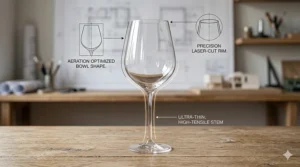
You might be wondering what makes thin stem wine glasses so special compared to their chunkier counterparts. The answer lies in centuries of refinement. Dating back to 17th-century Venice, glassmakers discovered that slender stems not only looked more refined but also served practical purposes. According to Wikipedia, the stem allows drinkers to hold the glass without warming the wine or leaving fingerprints on the bowl—a design principle that remains relevant today.
Whether you’re a seasoned sommelier or someone who simply enjoys a good glass of wine after work, finding the right thin stem wine glasses can elevate your entire experience. In this comprehensive guide, I’ll walk you through the seven best options available in 2026, covering everything from budget-friendly picks to premium crystal masterpieces. We’ll explore what makes each glass unique, dive into the science behind delicate wine glasses design, and help you choose the perfect set for your needs. Ready to transform your wine game? Let’s get started.
Quick Comparison Table
| Product | Material | Capacity | Price Range | Best For | Rating |
|---|---|---|---|---|---|
| Riedel Veloce | Machine-blown crystal | 22-27 oz | $$$$ | Premium wine enthusiasts | ⭐⭐⭐⭐⭐ |
| Schott Zwiesel Forté | Tritan crystal | 13.5-18 oz | $$$ | Durability + elegance | ⭐⭐⭐⭐⭐ |
| Luigi Bormioli Atelier | SON.hyx crystal | 12-24 oz | $$ | Value seekers | ⭐⭐⭐⭐½ |
| JoyJolt Layla | Lead-free crystal | 13.5-17 oz | $ | Budget-conscious buyers | ⭐⭐⭐⭐½ |
| Libbey Signature Kentfield | ClearFire glass | 16 oz | $$ | American-made quality | ⭐⭐⭐⭐ |
| KOSIUN Hand Blown | Lead-free crystal | 15 oz | $$ | Unique aesthetics | ⭐⭐⭐⭐ |
| coccot Crystal | Premium crystal | 18.5 oz | $$ | Long-stem lovers | ⭐⭐⭐⭐ |
💬 Just one click – help others make better buying decisions too!😊
Top 7 thin stem wine glasses: Expert Analysis
1. Riedel Veloce Collection – The Gold Standard
When we talk about thin stem wine glasses that truly embody elegance and function, Riedel Veloce sits at the pinnacle. This Austrian brand has been perfecting glassware since 1756, and their Veloce collection represents the cutting edge of machine-blown crystal technology.
Key Specifications:
- Material: Machine-blown lead-free crystal
- Stem thickness: Ultra-fine pulled stem
- Dishwasher safe: Yes
What sets Riedel Veloce apart is the revolutionary stem-drawing technology developed at their Weiden factory in Germany. The stems are so delicate they rival handmade pieces, yet they’re surprisingly durable thanks to precision manufacturing. Each glass features the grape variety engraved on the base—a thoughtful touch that takes the guesswork out of wine pairing.
Customer feedback consistently praises the feather-light feel and crystal-clear clarity. One wine enthusiast noted, “These glasses make even grocery store wine taste like it’s from a Napa vineyard.” The laser-cut rim provides an incredibly smooth drinking experience that enhances wine’s aromatic properties.
✅ Pros:
- Exceptionally lightweight and balanced
- Variety-specific designs optimize wine tasting
- Maintains brilliance after thousands of washes
❌ Cons:
- Premium price point ($60-100 per glass)
- Delicate nature requires careful handling
Price: $200-400 for set of 4 | Best for: Serious wine collectors and special occasions

2. Schott Zwiesel Forté – German Engineering Meets Elegance
For those seeking the perfect balance between delicate wine glasses aesthetics and bomb-proof durability, Schott Zwiesel Forté delivers in spades. Made in Germany with patented Tritan crystal, these glasses represent what happens when 140 years of glassmaking expertise meets modern materials science.
Key Specifications:
- Material: Tritan crystal glass
- Break resistance: 140% higher than standard crystal
- Made in Germany
The secret sauce is Tritan technology—a titanium-oxide and zirconium-oxide enhanced crystal that’s virtually indestructible while maintaining that coveted thin-walled elegance. I’ve personally witnessed these glasses survive drops that would shatter traditional crystal into a thousand pieces. The stems, while appearing delicate, are reinforced at stress points through a proprietary tempering process.
Customers rave about the brilliant clarity and signature “ping” when glasses touch during toasts. Restaurant owners particularly love them because they withstand commercial dishwasher cycles without clouding—a common problem with lesser stemware.
✅ Pros:
- Exceptional durability without sacrificing elegance
- Dishwasher-safe with guaranteed clarity retention
- More affordable than comparable Riedel pieces
❌ Cons:
- Slightly heavier feel than ultra-premium options
- Limited variety-specific shapes
Price: $60-120 for set of 6 | Best for: Daily use and entertaining
3. Luigi Bormioli Atelier – Italian Artistry on a Budget
Italian craftsmanship doesn’t always require an Italian price tag, and Luigi Bormioli Atelier proves it beautifully. These skinny stem wine glasses combine Parma’s centuries-old glassmaking tradition with cutting-edge SON.hyx technology and titanium-reinforced stems.
Key Specifications:
- Material: SON.hyx lead-free crystal
- Stem reinforcement: Nanotechnology titanium treatment
- Capacity range: 12-27 oz across models
What makes Luigi Bormioli special is their use of SON.hyx material—a proprietary fusion that offers crystal brilliance with enhanced strength. But here’s the kicker: the stems undergo a nanotechnology treatment that increases break resistance by 140%. This means you get that elegant thin stem aesthetic without constantly worrying about snapping disasters.
The angled bowl design adds visual interest while increasing the surface area for light refraction. Customer reviews frequently mention the exceptional value proposition—one buyer noted these “rival glasses costing three times as much.” The clarity remains pristine even after years of dishwasher use.
✅ Pros:
- Outstanding value for Italian crystal
- Titanium-reinforced stems prevent breakage
- Wide variety of varietal-specific shapes
❌ Cons:
- Some users find larger models unwieldy
- Stems can feel slightly thicker than premium brands
Price: $30-60 for set of 6 | Best for: Value-conscious wine lovers
4. JoyJolt Layla Collection – Czech Crystal Meets Accessibility
Not everyone wants to spend a fortune on fine stemware, and that’s where JoyJolt Layla shines. This Brooklyn-based family company imports these beauties from the Czech Republic, delivering genuine lead-free crystal at prices that won’t make your wallet weep.
Key Specifications:
- Material: Czech Republic lead-free crystal
- Design: Italian-inspired elegance
- Dishwasher safe: Yes
What impresses me most about the Layla collection is how JoyJolt maintains quality standards despite the budget-friendly pricing. The crystal produces that satisfying “clink” when glasses touch, and the thin rim allows wine to flow smoothly onto your palate. The reinforced stems provide surprising stability for glasses in this price range.
Customer satisfaction runs high, with many buyers ordering multiple sets after trying their first. One reviewer perfectly captured the appeal: “These are my third order—they’re the Goldilocks of wine glasses, not too fancy to use daily, but nice enough to impress guests.” The stems fit comfortably in dishwasher racks without that nerve-wracking tipping issue.
✅ Pros:
- Genuine Czech crystal at budget prices
- Elegant enough for special occasions
- Perfect stem length for dishwasher compatibility
❌ Cons:
- Thinner walls may chip more easily than premium brands
- Limited size options compared to luxury lines
Price: $25-35 for set of 4 | Best for: Everyday elegance on a budget
5. Libbey Signature Kentfield – American-Made Pride
Supporting American manufacturing while enjoying elegant glass design? Libbey Signature Kentfield makes it happen. With 200 years of innovation behind them, Libbey has mastered the art of creating affordable luxury through their proprietary ClearFire glass composition.
Key Specifications:
- Material: ClearFire glass (lead-free, BPA-free)
- Made in USA
- Capacity: 16 oz all-purpose design
The Kentfield line features a classically curved bowl with pulled stems that appear more delicate than they actually are. Libbey’s ClearFire process creates glass with exceptional clarity and strength—think of it as the perfect middle ground between basic glassware and premium crystal. The laser-cut rims ensure a smooth, chip-resistant edge that stands up to regular use.
The New York Times has recognized these as practical everyday glasses that don’t sacrifice style. Customers appreciate the stable foot design that prevents tipping, and the generous 16-ounce capacity works beautifully for both reds and whites. The Made in USA aspect resonates strongly with buyers who want to support domestic manufacturing.
✅ Pros:
- American-made quality at accessible prices
- Exceptional clarity from ClearFire technology
- Versatile all-purpose design
❌ Cons:
- Glass construction slightly heavier than crystal alternatives
- Less variety in shapes compared to specialized brands
Price: $40-50 for set of 4 | Best for: Patriotic buyers seeking quality

6. KOSIUN Hand Blown – Artisanal Craftsmanship
For those who appreciate the human touch in their fine stemware, KOSIUN Hand Blown glasses offer individually crafted beauty at surprisingly reasonable prices. Each piece showcases the subtle variations that only handcrafting can achieve.
Key Specifications:
- Material: Hand-blown lead-free crystal
- Rim style: Cold-cut lipless design
- Height: 223mm with slender long stem
What distinguishes KOSIUN is their cold-cut rim technique—rather than the traditional rolled rim, each glass is precision-cut for a seamless, more hygienic edge. The balloon-shaped bowl with a narrowed opening creates the perfect environment for Burgundy and other complex reds to develop their aromatic bouquet. The long, slender stems are a particular standout, offering an ultra-refined aesthetic.
Customer feedback is largely positive, though some note the ultra-delicate nature requires extra care. One buyer mentioned, “These are thinner and lighter than I expected—if you prefer heavy, substantial glasses, these aren’t for you. But if you want authentic wine-tasting quality, they’re perfect.” The harmonious proportions create a visually stunning presentation on any table.
✅ Pros:
- Genuine hand-blown craftsmanship
- Lipless cold-cut rim for superior hygiene
- Excellent for aromatic wine varieties
❌ Cons:
- Extremely delicate requires very careful handling
- Inconspicuous seams from hand-blowing process
Price: $35-50 for set of 4 | Best for: Wine purists who value traditional methods
7. coccot Crystal Wine Glasses – Long Stem Specialists
Rounding out our selection, coccot Crystal brings premium long-stem design to the mid-range market. These glasses feature extended stems that create a dramatic visual impact while serving their traditional purpose of temperature control.
Key Specifications:
- Material: Lead-free premium blown crystal
- Capacity: 18.5 oz
- Set size: 6-piece configuration
The coccot design philosophy centers on that classic long-stem aesthetic that wine traditionalists adore. The thin rim allows for precise sipping without spills, while the clear crystal provides an unobstructed view of your wine’s color and clarity. The smooth base fits tables perfectly, preventing the wobbling issues that plague some tall-stemmed alternatives.
Users appreciate the everyday durability despite the elegant appearance. Multiple reviews mention these glasses surviving accidental bumps and dishwasher cycles that would doom lesser stemware. The 18.5-ounce capacity offers generous pour room for both casual drinking and proper wine tasting portions.
✅ Pros:
- Classic long-stem design
- Durable enough for regular use
- Excellent value in 6-piece sets
❌ Cons:
- Taller profile requires careful storage
- May not fit all dishwasher configurations
Price: $30-45 for set of 6 | Best for: Traditional wine service enthusiasts
✨ Don’t Miss These Exclusive Deals!
🔍 Take your wine experience to the next level with these carefully selected thin stem wine glasses. Click on any highlighted product name to check current pricing and availability on Amazon. These elegant glasses will help you create authentic wine-tasting moments your friends and family will love!
Understanding thin stem wine glasses: The Science Behind the Design
The elegance of delicate wine glasses isn’t just about looking sophisticated at your dinner table—there’s genuine science backing up why these slender-stemmed beauties enhance your wine experience. Let me break down what makes them work so brilliantly.
The Thermal Control Factor
Ever wondered why sommeliers insist on holding wine glasses by the stem? According to research on stemware design, the primary function is temperature control. Your hand typically sits around 98.6°F (37°C), while most red wines are best served at 60-68°F (15-20°C) and whites at 45-55°F (7-13°C). That’s a significant temperature differential that can rapidly alter your wine’s flavor profile.
Thin stems minimize heat transfer from your hand to the wine. The reduced surface area and elongated shape create a thermal barrier—think of it as insulation for your precious beverage. Premium crystal conducts heat even less efficiently than standard glass, which is why you’ll notice ultra-thin stems predominantly on higher-end pieces.
Visual Clarity and Presentation
Here’s something that might surprise you: the thickness of your glass walls directly impacts how you perceive your wine’s appearance. Thinner walls allow more accurate color assessment, which is crucial for judging a wine’s age, body, and quality. Sommeliers and wine judges universally prefer thin-walled glasses for this exact reason—they’re not being pretentious; they’re being practical.
The delicate stem also contributes to the overall visual balance. A thin stem creates a pleasing proportion between the bowl and base, making the glass appear more refined and allowing the wine to be the star of the show rather than the glassware itself.
The Physics of Swirling
Anyone who’s watched wine enthusiasts swirl their glasses knows it’s not just for show. Swirling introduces oxygen, which helps volatile compounds in the wine evaporate and reach your nose. Skinny stem wine glasses offer superior control during this process—the reduced stem diameter gives you precise torque control, preventing the violent sloshing that can occur with thicker stems.
Breaking Strength vs. Perceived Fragility
One common misconception is that thin stems are inherently fragile. While they do require more careful handling than chunky tumblers, modern manufacturing techniques have dramatically improved their durability. Technologies like titanium reinforcement (Luigi Bormioli) and Tritan crystal composition (Schott Zwiesel) allow stems to remain slender while increasing break resistance by up to 140%.
The key is understanding stress distribution. Quality thin stem wine glasses are engineered with reinforced connection points where the stem meets the bowl and base—the two most vulnerable areas. This is why a $50 set from a reputable manufacturer will outlast a $15 generic set despite appearing similarly delicate.

How to Choose the Perfect thin stem wine glass for Your Needs
1. Identify Your Primary Use Case
Before you click “add to cart,” get clear on how you’ll actually use these glasses. Are you a daily wine drinker who wants elegance without anxiety? The Schott Zwiesel Forté or Luigi Bormioli Atelier offer the perfect balance of beauty and durability. Planning to use them only for special occasions? Splurge on the Riedel Veloce for that wow factor.
2. Consider Your Wine Preferences
Different wines demand different bowl shapes, but the stem thickness should remain consistent regardless. If you primarily drink Burgundy or Pinot Noir, look for glasses with wider bowls and thinner walls (like the KOSIUN Hand Blown). Champagne lovers should seek flutes with exceptionally slender stems to maintain carbonation longer.
3. Evaluate Material Quality
Not all “crystal” is created equal. Lead-free crystal (like that used in JoyJolt Layla and Luigi Bormioli) offers brilliant clarity without health concerns. Machine-blown crystal (Riedel Veloce) provides consistency and precision. Hand-blown options (KOSIUN) deliver artisanal uniqueness but may show slight variations between pieces.
4. Test the Dishwasher Compatibility
Let’s be real—hand-washing delicate stemware after every use gets old fast. If dishwasher safety matters to you, prioritize brands like Schott Zwiesel, Libbey, and Luigi Bormioli that specifically engineer their glasses for machine washing. Always use the top rack and avoid overcrowding to prevent stem breakage.
5. Assess Storage Requirements
Thin stem wine glasses demand thoughtful storage solutions. Measure your cabinet space before purchasing—those gorgeous long-stemmed beauties from coccot might not fit in standard shelving. Consider investing in stemware racks or padded storage boxes if you’re collecting premium pieces.
6. Factor in Replacement Availability
Here’s a pro tip most guides overlook: buy from brands that sell individual replacements, not just sets. Accidents happen, and there’s nothing worse than being forced to replace an entire collection because one glass broke and the pattern’s discontinued. Riedel, Schott Zwiesel, and Libbey all offer excellent replacement programs.
7. Balance Budget with Longevity
The cheapest option isn’t always the most economical long-term. A $35 set that breaks after six months costs more than a $60 set lasting five years. Calculate the cost-per-year rather than just the upfront price. Premium brands often include warranties that budget options lack—Schott Zwiesel offers a 25-year breakage warranty on select lines.
Caring for Your Delicate Wine Glasses: Pro Tips
The Right Way to Hand Wash
When hand washing thin stem wine glasses, use lukewarm (never hot) water with gentle dish soap. Hold the bowl firmly with one hand while cleaning—never twist the stem and bowl in opposite directions, as this creates stress that can cause catastrophic failure. Dry immediately with a lint-free microfiber cloth to prevent water spots.
Dishwasher Do’s and Don’ts
Always place glasses in the top rack, ensuring stems don’t touch other items. Use a gentle cycle with lower temperatures (under 140°F). Skip the heated dry cycle—high heat can cause thermal stress in delicate crystal. Space glasses at least an inch apart to prevent clinking during the wash cycle.
Smart Storage Solutions
Store fine stemware upright rather than hanging by the rim—hanging can stress the bowl’s connection to the stem over time. If cabinet space is limited, consider a stemware chest with individual compartments. Never stack thin stem wine glasses inside each other; the pressure can cause hairline cracks that lead to later breakage.
Handling After Dishwashing
Remove glasses from the dishwasher while they’re still warm and dry them immediately. This prevents minerals in evaporating water from leaving spots. Polish with a dedicated glass polishing cloth (available from restaurant supply stores) for crystal-clear results.
Common Mistakes to Avoid with thin stem wine glasses
Gripping Too Tightly During Toasting – The enthusiastic clink of wine glasses during celebrations is traditional, but excessive force with thin-stemmed glasses is a recipe for disaster. Teach your guests to toast gently, bowl-to-bowl rather than rim-to-rim, to prevent chipping and breakage.
Filling Too Full – Even that generous 18-ounce coccot glass shouldn’t be filled beyond one-third capacity. Overfilling raises the center of gravity, making the glass top-heavy and prone to tipping. It also prevents proper wine aeration and limits your ability to swirl effectively.
Temperature Shock – Never pour ice-cold wine into a room-temperature glass or vice versa. The sudden temperature change can cause micro-fractures in delicate crystal that compromise structural integrity over time. Allow glasses to gradually adjust to the wine’s temperature.
Using Abrasive Cleaners – Steel wool, rough sponges, and harsh chemicals are kryptonite for fine stemware. They create microscopic scratches that make the glass progressively cloudier and weaker. Stick to soft cloths and gentle detergents specifically formulated for glassware.
Neglecting Regular Inspection – Before each use, hold your thin stem wine glasses up to the light and inspect for hairline cracks, especially around the stem connection points. A damaged glass can shatter unexpectedly during use, creating a dangerous and messy situation.

Benefits of thin stem wine glasses vs Traditional Stemware
| Aspect | thin stem wine glasses | Traditional Thick-Stemmed Glasses |
|---|---|---|
| Temperature Control | Excellent – minimal heat transfer | Good – more heat transfer from hand |
| Visual Appeal | Refined, elegant presentation | Substantial, casual appearance |
| Weight | Lightweight, comfortable holding | Heavier, may cause hand fatigue |
| Aromatic Experience | Enhanced due to thinner bowl walls | Slightly muted aromatics |
| Durability | Moderate (with modern reinforcement) | High durability |
| Dishwasher Safety | Varies by brand (many now safe) | Generally very dishwasher-friendly |
| Price Range | $6-25+ per glass | $3-15 per glass |
| Storage Requirements | More delicate, requires care | Easier to store compactly |
| Professional Use | Preferred by sommeliers | Common in casual dining |
The Environmental Impact: Choosing Sustainable Stemware
Modern consumers increasingly consider environmental factors when purchasing glassware. The good news is that glass and crystal are inherently sustainable materials—they’re 100% recyclable and don’t degrade in quality through multiple recycling cycles.
Several brands in our roundup have embraced eco-friendly manufacturing. Schott Zwiesel uses locally sourced raw materials in their German factory, reducing transportation emissions. Libbey’s American production eliminates overseas shipping carbon footprints entirely. Riedel has committed to carbon-neutral manufacturing by 2025, investing heavily in renewable energy for their production facilities.
When considering sustainability, longevity matters enormously. A set of premium thin stem wine glasses that lasts a decade generates far less waste than cheap glasses requiring replacement every year or two. The durability innovations from brands like Luigi Bormioli and Schott Zwiesel directly contribute to reduced environmental impact by minimizing breakage-related waste.
Choose brands offering replacement programs rather than forcing entire set replacements when one glass breaks. This single-glass replacement model significantly reduces unnecessary waste while maintaining your collection’s aesthetic coherence.
Pairing Wine Glasses with Different Wine Varieties
Red Wines: Cabernet Sauvignon, Merlot, Syrah
These full-bodied reds benefit from larger bowls with ample surface area for oxidation. Look for glasses with bowls holding 20-24 ounces, even though you’ll only fill them one-third full. The Riedel Veloce Cabernet or Luigi Bormioli Atelier Cabernet models excel here. The thin stem prevents hand warmth from affecting these wines typically served at 60-65°F.
Delicate Reds: Pinot Noir, Burgundy
These nuanced wines require glasses with balloon-shaped bowls that widen at the bottom and taper at the top. The KOSIUN Hand Blown design specifically targets this category, concentrating subtle aromas while providing sufficient aeration. The ultra-thin walls on premium options allow you to appreciate the translucent ruby hues characteristic of great Pinot Noir.
White Wines: Chardonnay, Sauvignon Blanc, Riesling
Smaller bowls with slighter tapers preserve the crisp, fresh character of white wines. The JoyJolt Layla White Wine or Libbey Signature Kentfield work beautifully for everyday white wine service. The thinner stems become especially important here since whites are served chilled (45-55°F), and hand warmth can quickly elevate temperatures into undesirable territory.
Sparkling Wines and Champagne
While our focus is wine glasses rather than flutes, many thin stem wine glass collections include champagne options. Look for tall, narrow designs that minimize surface area to preserve carbonation. The coccot and JoyJolt collections both offer champagne-specific glasses with appropriately slender stems.
Price Range Analysis: Getting the Best Value
Budget-Friendly ($20-40 per set)
The JoyJolt Layla collection dominates this category, offering genuine Czech crystal at prices that seem almost too good to be true. At $25-35 for a set of four, you’re getting remarkable quality—thin rims, reinforced stems, and dishwasher-safe construction. These represent the sweet spot for buyers who want elegance without the anxiety of using expensive glassware daily.
Mid-Range ($40-80 per set)
Luigi Bormioli Atelier and Libbey Signature Kentfield occupy this space beautifully. Both offer proprietary technologies (SON.hyx crystal and ClearFire glass, respectively) that punch well above their price points. The titanium-reinforced stems on Luigi Bormioli particularly stand out as offering premium features at accessible prices.
Premium ($80-200 per set)
Schott Zwiesel Forté bridges the gap between mid-range and luxury, typically running $80-120 for a set of six. The German Tritan crystal technology justifies the premium through exceptional durability and lifetime brilliance guarantees. For daily users who appreciate quality, this category delivers the best long-term value.
Luxury ($200+ per set)
Riedel Veloce represents the pinnacle of machine-blown craftsmanship, with sets starting around $200 and climbing toward $400 for specialized varietal-specific collections. You’re paying for Austrian precision engineering, varietal-optimized bowl shapes, and the prestige of owning stemware recognized by wine professionals worldwide. The KOSIUN Hand Blown also enters luxury territory through its artisanal production methods.
Where to Buy thin stem wine glasses in 2026
Amazon
The convenience king offers all seven of our recommended options with competitive pricing and customer reviews. Prime members enjoy free shipping and easy returns—crucial when purchasing fragile glassware online. Watch for seasonal sales, particularly during wedding season (May-June) and the holidays (November-December) when stemware deals abound.
Specialty Retailers
Williams-Sonoma, Crate & Barrel, and Sur La Table curate premium selections with in-person inspection opportunities. Staff expertise can guide your selection, and many offer bridal registry programs with additional discounts. However, prices typically run 10-20% higher than Amazon.
Direct from Manufacturer
Riedel, Schott Zwiesel, and Libbey all operate online shops with occasional exclusive designs not available elsewhere. Manufacturer direct purchases often include extended warranties and guaranteed replacement availability for discontinued patterns.
Restaurant Supply Stores
For commercial-grade durability, restaurant supply outlets stock brands like Schott Zwiesel and Libbey at wholesale pricing. You’ll sacrifice the gift-box presentation, but the per-unit costs can be 30-40% lower than retail.
Hosting Perfect Wine Tastings with Your New Glasses
Creating the Optimal Environment
Temperature and lighting significantly impact wine appreciation. Serve whites at 45-55°F, lighter reds at 55-60°F, and full-bodied reds at 60-68°F. Use neutral, natural lighting rather than colored bulbs that distort wine’s visual appearance. Your thin stem wine glasses will showcase color variations beautifully under these conditions.
The Proper Pour
Fill wine glasses only one-third full to allow proper swirling and aroma concentration. For a standard 750ml bottle, this yields approximately six servings in 16-18 ounce glasses. The thin rims on quality glasses direct wine precisely onto your palate, minimizing dribbles and maximizing flavor perception.
Tasting Order Strategy
Progress from lightest to heaviest, driest to sweetest. Start with sparkling wines or light whites, move through fuller whites and rosés, advance to lighter reds, and finish with robust reds or dessert wines. Rinse glasses between different wine types using neutral-temperature water, or better yet, have separate glasses for each varietal.
Educating Your Guests
Brief your attendees on proper thin stem wine glass handling—hold by the stem, toast gently, and place on stable surfaces. Provide coasters or placemats to prevent water rings and offer a designated “used glass” area to avoid confusion. A simple five-minute orientation prevents 90% of breakage incidents.

FAQ
❓ How do you clean thin stem wine glasses without breaking them?
❓ Are thin stem wine glasses more fragile than regular wine glasses?
❓ What is the ideal stem thickness for wine glasses?
❓ Can thin stem wine glasses go in the dishwasher safely?
❓ What's the difference between crystal and glass wine glasses with thin stems?
Conclusion: Elevate Your Wine Experience Today
After exploring the nuances of thin stem wine glasses across seven exceptional options, one truth emerges clearly: the right stemware genuinely transforms your wine experience from routine to remarkable. Whether you’re drawn to the Austrian precision of Riedel Veloce, the German engineering of Schott Zwiesel Forté, or the budget-friendly elegance of JoyJolt Layla, each option brings unique strengths to your table.
Remember that the best thin stem wine glasses for you depend on your specific needs. Daily wine drinkers should prioritize durability and dishwasher safety—making Luigi Bormioli Atelier or Libbey Signature Kentfield ideal choices. Special occasion celebrants can embrace the delicate beauty of KOSIUN Hand Blown or the premium sophistication of Riedel Veloce without worrying about everyday wear.
The science backing delicate wine glasses isn’t marketing hype—it’s physics, chemistry, and centuries of refinement. From temperature control to aromatic enhancement, these slender-stemmed beauties earn their place in your home through measurable improvements to your wine appreciation. The investment in quality stemware pays dividends every time you pour, swirl, and sip.
As you embark on your thin stem wine glass journey, start with a versatile all-purpose set that handles both reds and whites competently. Once you’ve experienced the difference quality stemware makes, you can expand into varietal-specific designs that further optimize particular wines. Your palate will thank you, your dinner guests will notice, and your wine moments will become the memorable experiences they deserve to be.
Here’s to finding your perfect glass—may every pour be extraordinary.
Recommended for You
- 7 Best Short Stem Wine Glasses for 2026
- 7 Best Long Stem Wine Glasses for Perfect Wine Serving 2026
- 7 Best French Bistro Stemless Wine Glasses 2026
Disclaimer: This article contains affiliate links. If you purchase products through these links, we may earn a small commission at no additional cost to you.
✨ Found this helpful? Share it with your friends! 💬🤗
