
In This Article
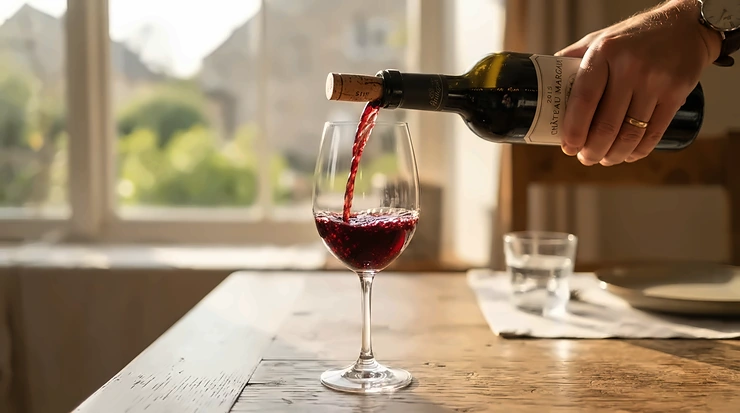
Classic all purpose wine glasses for beginners are stemmed, tulip-shaped glasses with a medium bowl and a gently tapered rim, designed to serve red, white, and rosé equally well. One shape does the work of three. Your cabinet stays small, your budget stays sane, and your first bottles taste the way they should.

Here’s the thing nobody mentions at the checkout counter: the wine glass aisle is a bit of a racket. Walk in and you’ll meet Burgundy balloons, Bordeaux towers, Chardonnay tulips, and a dessert-wine thimble that looks like it escaped from a dollhouse. Beginners are told they need all of them. They don’t. The core logic of stemware hasn’t changed in centuries: a bowl to hold the aromas, a stem so your hand doesn’t warm the drink, and a foot so the whole thing doesn’t end up on the rug.
This guide ranks seven real, widely sold options, from a splurge-worthy hand-blown glass to a pack-of-eight budget workhorse. One honest note up front: I haven’t hand-tested any of them. Everything below comes from spec sheets, retailer data, expert roundups, and aggregated reviewer sentiment, and I’ll flag it wherever the evidence runs thin.
Along the way you’ll get a practical wine glass buying guide, a straight answer on classic wine glasses vs modern wine glasses, and a plan for building a starter glassware set without clutter. Short on time? Start with the table.
Quick Comparison: 7 Classic All Purpose Wine Glasses at a Glance
Think of this as the cheat sheet. Prices are approximate per-glass ranges at the time of research, so check current price before you buy.
| Glass | Standout Trait | Price Tier | Best For |
|---|---|---|---|
| Gabriel-Glas StandArt | True one-glass-for-everything bowl | Premium | Buy-once beginners |
| Spiegelau Definition Universal | Generous 19 oz bowl | Mid-range | Budget swirlers |
| Schott Zwiesel Tritan Crystal | Chip- and cloud-resistant | Mid-range | Daily dishwasher use |
| Riedel Ouverture Universal | Wine-glass pedigree, entry price | Mid-range | Multi-pack starter sets |
| Zalto Denk’Art Universal | Featherweight hand-blown crystal | Luxury | Gifts and splurges |
| C CREST Wine Glasses (Set of 8) | Lowest cost per glass | Budget | Big households |
| Bormioli Rocco Bodega | Sturdy, classic silhouette | Budget | Parties and red-wine fans |
The pattern is clear: durability and shape count for more than price. If you want the safest all-rounder, Gabriel-Glas StandArt is the one to beat. For most dishwasher-heavy kitchens, Schott Zwiesel Tritan Crystal makes the stronger practical case. Budget buyers who entertain will find that C CREST Wine Glasses buys you breakage insurance along with the glassware.
💬 Just one click — help others make better buying decisions too!😊
Top 7 Classic All Purpose Wine Glasses for Beginners: Expert Analysis
Each pick below follows the same logic: what the specs mean in practice, who the glass suits, what reviewers keep saying, and whether the price range earns it. Prices stay in ranges because they shift constantly.
1. Gabriel-Glas StandArt — one glass for every pour
The pitch is almost rude in its simplicity: one glass, every wine, no apologies. Gabriel-Glas StandArt is a lead-free crystal universal glass sold in pairs, sets of four, and larger packs, with a bowl of roughly 16 ounces. That capacity is the quiet hero. It leaves generous headspace above a normal pour for aromas to gather, yet it isn’t so cavernous that a delicate white gets lost in it. Think of the bowl as a diplomatic compromise between a Burgundy balloon and a Bordeaux tower. Nobody gets everything, and everybody gets enough.
Based on the spec comparison, this is the glass for the beginner who suspects wine might become a real hobby and would rather buy once than upgrade twice. Listings describe it as dishwasher safe, which matters because glassware banished to the hand-wash penalty box gets used less. Across roundups and enthusiast threads, reviewers consistently place Gabriel-Glas StandArt near the top of the value-to-quality ladder in the premium tier. The recurring caution is that thin crystal rewards gentle handling.
Pros:
- ✅ True universal bowl suits reds, whites, and rosé
- ✅ Lead-free crystal with a thin, clean rim
- ✅ Dishwasher safe per listing, so daily use is realistic
Cons:
- ❌ Thin walls demand careful handling
- ❌ Costs more per glass than most beginner picks
Price range: roughly $25-$40 per glass at the time of research (check current price). Verdict: premium, but fair for what it delivers.

2. Spiegelau Definition Universal — big bowl, small price
A 19-ounce bowl is a lot of glass, and that’s exactly the point. Spiegelau Definition Universal gives you room to swirl without wearing your Friday-night pinot. The German maker builds its lines to survive commercial warewashing, and the Definition glasses are listed as dishwasher safe. In practice, a bigger bowl means more surface area for wine to meet air. Pour about a third full, tilt, swirl, and the aromas have somewhere to go.
Here’s my read on who this suits: the beginner who wants something that looks and feels a notch above supermarket stemware but isn’t ready for luxury money. One roundup called it the best balance of elegance, function, and price for most people. Forum chatter echoes that, naming it the value pick when hand-blown prices are off the table.
The one quirk is size. A big bowl can feel oversized for a delicate white, so pour modestly and keep the bottle chilled.
Pros:
- ✅ Generous bowl gives aromas room to open
- ✅ Dishwasher safe for everyday use
- ✅ Elegant look at a mid-range price
Cons:
- ❌ Large bowl may swamp light whites
- ❌ Takes more cabinet space than slimmer glasses
Price range: roughly $12-$20 per glass (check current price). Verdict: arguably the best “feels expensive, isn’t” option in this lineup.
3. Schott Zwiesel Tritan Crystal — built to survive clumsy beginners
Every beginner has a story that starts with “I only turned around for a second.” Schott Zwiesel Tritan Crystal exists for that moment. The brand’s Tritan formula is a lead-free, mineral-reinforced crystal, and one retailer comparison says it resists clouding and discoloration past 1,000 dishwasher cycles. For a set of everyday glasses, that’s the spec that counts, because it separates glasses that look fresh in year three from ones that look like they’ve been through a car wash.
Note that the brand makes many lines, so confirm you’re buying a universal or all-purpose bowl, not a red- or white-specific one. A beginner-focused roundup scored the four-pack as a strong entry point, and forum drinkers mention picking up boxed all-purpose sets at warehouse-club prices. I couldn’t verify a deep pool of individual reviews, so treat that as a directional signal.
Pros:
- ✅ Tritan crystal resists chips and cloudiness
- ✅ Dishwasher safe for daily rotation
- ✅ Lead-free formula with widely stocked lines
Cons:
- ❌ Less delicate rim than hand-blown glasses
- ❌ Bowl sizes vary by line, so read the listing
Price range: roughly $8-$18 per glass (check current price). Verdict: the practical, low-drama choice.
4. Riedel Ouverture Universal — wine-glass pedigree on a starter budget
Some brands made their name by arguing that every grape deserves its own glass. Riedel Ouverture Universal is that philosophy in its most forgiving form: an entry-level, machine-made range pitched at people who want one sensible shape. A cooking-class marketplace roundup named a 12-piece Ouverture set its best universal pick, and that multi-pack format suits a starter set. You can stock a table for six and still have a spare or two.
What does machine-made mean for you? Consistency and a lower price, but a slightly thicker rim than the handmade tiers. For learning how wine behaves in a glass, that tradeoff is fine. One honest caveat: the Ouverture family includes red-, white-, and universal-style shapes, so read the listing carefully. I could verify the editorial recommendation but not a large body of individual reviews.
Pros:
- ✅ Recognized wine-glass pedigree at an entry price
- ✅ Multi-pack sets suit a starter collection
- ✅ Machine-made consistency, glass to glass
Cons:
- ❌ Thicker rim than hand-blown alternatives
- ❌ Several shapes in one line invite ordering mistakes
Price range: roughly $8-$15 per glass (check current price). Verdict: a safe, confidence-boosting starter buy.
5. Zalto Denk’Art Universal — the dream-upgrade splurge
Every hobby has its Ferrari, and one magazine roundup used that exact word for Zalto Denk’Art Universal. These are hand-blown, ultra-thin, featherlight glasses, and expert roundups routinely crown them the top luxury universal pick. The thin rim is the draw: wine meets your lips with almost nothing in between, and the whole glass feels like holding a soap bubble with a stem.
Should a true beginner buy them? Usually not first. The price per glass runs past $60, and thin hand-blown stems are a breakage risk. Marketed as dishwasher safe, they last longer with hand-washing. But as a gift, or as a “year-two upgrade” once you know you’re hooked, Zalto Denk’Art Universal earns its reputation. Plenty of enthusiasts keep one or two for special bottles and use sturdier glasses daily.
Pros:
- ✅ Featherlight hand-blown crystal feels exceptional
- ✅ Razor-thin rim for a clean sip
- ✅ Consistently ranked a top luxury universal glass
Cons:
- ❌ Fragile stems punish careless handling
- ❌ Expensive enough to sting after a breakage
Price range: $60-plus per glass (check current price). Verdict: a luxury, not a beginner necessity.
6. C CREST Wine Glasses (Set of 8) — lowest cost per glass
Sometimes the smartest feature is arithmetic. The C CREST Wine Glasses set puts eight 12-ounce, lead-free glasses in one box. One roundup named it the best cost-per-glass option for outfitting a large household or entertaining often. Eight glasses is the point: you stop rationing glassware and start hosting.
The 12-ounce bowl is smaller than the premium universals, so you’ll get less swirl room and slightly more muted aromas. Pour a modest 4-5 ounces and it behaves nicely. Think of it as the dependable commuter car of this lineup: it won’t win design awards, but it will get you to dinner. I could only verify the editorial positioning here, not a large volume of independent reviews, so check recent buyer feedback before committing.
Pros:
- ✅ Eight glasses per box, with room for breakage
- ✅ Lead-free glass at a very low cost
- ✅ Handy for parties and big gatherings
Cons:
- ❌ Smaller bowl mutes aromas
- ❌ Thicker rim than crystal options
Price range: roughly $3-$6 per glass (check current price). Verdict: unbeatable math for hosts.
7. Bormioli Rocco Bodega — sturdy classic for crowded tables
If the other six are sports sedans and commuter cars, Bormioli Rocco Bodega is the pickup truck: classic goblet lines, a no-nonsense build, and a reputation for holding up at busy gatherings. A beginner roundup listed the six-pack as its best pick for parties, and the Bodega’s classic silhouette suits reds especially well.
To be fair, it’s the least truly universal glass of the seven. It handles reds, rosé, and fuller whites gracefully, but a delicate Sauvignon Blanc may prefer a narrower bowl. That honesty matters, because classic all purpose wine glasses for beginners should flex across wines without drama. Capacity varies by listing, so check the product page. Verified individual-review data was thin when I looked.
Pros:
- ✅ Classic shape that looks right on any table
- ✅ Six-pack suits dinner parties
- ✅ Sturdy feel for rough-and-tumble use
Cons:
- ❌ Leans red-wine-friendly over truly universal
- ❌ Less aromatic finesse than crystal picks
Price range: roughly $4-$8 per glass (check current price). Verdict: great for hosts who pour mostly red.
Top 7 Compared: Specs, Price Ranges, and Best-For Picks
| Glass | Bowl Size | Care | Approx. Price Per Glass | Best For |
|---|---|---|---|---|
| Gabriel-Glas StandArt | About 16 oz | Dishwasher safe per listing | $25-$40 | Buy-once beginners |
| Spiegelau Definition Universal | About 19 oz | Dishwasher safe | $12-$20 | Swirlers on a budget |
| Schott Zwiesel Tritan Crystal | Varies by line | Dishwasher safe | $8-$18 | Clumsy-proof daily use |
| Riedel Ouverture Universal | Varies by line | Check listing | $8-$15 | Multi-pack starter bars |
| Zalto Denk’Art Universal | Large, thin bowl | Hand-wash advised | $60+ | Gifts and splurges |
| C CREST Wine Glasses | 12 oz | Check listing | $3-$6 | Big households |
| Bormioli Rocco Bodega | Varies by listing | Check listing | $4-$8 | Parties, red-wine fans |
Looking at the table, Spiegelau Definition Universal offers the best bowl-to-price ratio, while Schott Zwiesel Tritan Crystal wins on pure survivability. Zalto Denk’Art Universal costs several times more per glass than the next option, which makes it a considered upgrade rather than a starting point. If you break glasses regularly, C CREST Wine Glasses keeps replacement costs near coffee-money territory.
Practical Usage Guide: Setup, Care, and Your First 30 Days
A glass is only classic if it survives long enough to become a habit. Here’s a simple routine that works across all seven picks.
Before first use: wash with warm water and mild soap, rinse thoroughly, and dry with a clean microfiber cloth. New glasses often carry a faint manufacturing film that dulls aromas.
Pouring: fill to about one-third of the bowl, or roughly 5 ounces. That leaves headspace so you can swirl without wearing your wine. Hold by the stem so your hand doesn’t warm the wine, a point even the basic design of stemware is built around.
Cleaning: if the listing says dishwasher safe (as with Spiegelau Definition Universal and Schott Zwiesel Tritan Crystal), use the top rack and a gentle cycle, with space between glasses so they don’t clink. Hand-wash Zalto Denk’Art Universal and any thin crystal.
Storage: store upright, away from cabinet edges, and don’t stack rim-to-foot.
Mistakes in the first 30 days: overfilling, washing glasses in a crowded dishwasher, and swapping glasses between a hot dishwasher and a cold counter. Sudden temperature swings stress thin glass.
✨ Ready to Stock Your Shelf?
🔍 Take your first pours to the next level with these carefully selected glasses. Click on any highlighted product to check current pricing and availability. These picks will help you enjoy every bottle with confidence!

Real-World Scenarios: Three Beginner Profiles
Specs are abstract. Real kitchens aren’t.
Scenario 1: The Friday-takeout couple. Two people, one dishwasher, wine two or three nights a week, budget under $100. Four Schott Zwiesel Tritan Crystal glasses fit this profile because the material is built for repeat washing. Add two spares and you’re covered.
Scenario 2: The weekend host. A small apartment, eight friends every other Saturday, and a rotating cast of reds and whites. C CREST Wine Glasses gives you eight bowls in one box at very low cost per glass. If your crowd leans red, Bormioli Rocco Bodega is a sturdy alternative.
Scenario 3: The curious learner. Someone who just discovered they actually like Pinot Noir and wants to learn what wine really tastes like. A pair of Gabriel-Glas StandArt or Spiegelau Definition Universal glasses lets you hear the difference a good bowl makes. I’d buy two first, keep the budget set for parties, and upgrade only if the hobby sticks.
The takeaway: match the glass to your life, not to your aspirations.
Common Problems and Easy Fixes for New Wine Glass Owners
Here’s how to troubleshoot the five most common beginner headaches.
Problem: cloudy glasses. Usually hard water or detergent residue. Rinse thoroughly, and use a dab of white vinegar in warm water as a soak. Tritan-style crystal like Schott Zwiesel Tritan Crystal resists clouding better than basic soda-lime glass.
Problem: broken stems. Most breakage happens in the sink or dishwasher. Wash by the bowl, not the stem, and don’t twist a stem while scrubbing.
Problem: the wine smells muted. Likely too small a bowl, or too full a pour. Switch to a larger bowl like Spiegelau Definition Universal and fill only one-third.
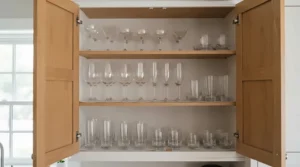
Problem: tight cabinet space. Pick a single universal shape and skip the specialty glasses. One style stacks in your cabinet far better than six.
Problem: you keep breaking them. Buy in sets of eight, such as C CREST Wine Glasses, and treat breakage as a line item, not a tragedy.
Beginner Wine Glass Shape: What Actually Matters (and What Doesn’t)
Two features do most of the work: bowl width and rim taper. Modern stemware uses three basic bowl types: bucket, tulip, and flared. The tulip, with its rounded bottom and S-curved sides, is the one that suits a universal glass, because it holds aromas in without trapping them.
Wine Folly’s rundown of the six main glass types calls the universal glass a fantastic all-around option and argues that glass shape matters more than material. That’s the best news a beginner could hope for. It means a well-shaped mid-priced glass beats a poorly shaped expensive one.
Here’s the beginner wine glass shape checklist:
- A medium-to-large bowl, roughly 12-19 ounces
- A slight taper toward the rim
- A stem long enough to hold without touching the bowl
- A stable foot that won’t tip when nudged
What doesn’t matter much at the start: brand prestige, hand-blown claims, or colored stems. Specialty shapes tweak flavor at the margins, and you’ll appreciate them more after you know which wines you love.
How to Choose Classic All Purpose Wine Glasses for Beginners
Here’s the seven-step shortcut:
- Choose a tulip-shaped bowl. It suits both reds and whites, which is the whole point of a universal glass.
- Aim for 12-19 ounces. Smaller bowls mute aromas; bigger ones can swamp whites.
- Check the rim. A thinner rim feels more refined, while a thicker rim survives knocks better.
- Confirm lead-free. Look for “lead-free crystal” or “lead-free glass” on the listing.
- Verify dishwasher safety. If you won’t hand-wash, this is non-negotiable.
- Decide stemmed or stemless. Classic stemmed glasses keep your hand away from the bowl, which keeps white wine cooler.
- Buy extras. Add two to your guest count, because breakage is a statistic, not a possibility.
Wine Glass Buying Guide: 5 Beginner Mistakes to Skip
Think of this section as the wine glass buying guide you’d wish you’d read before your first cart.
Mistake 1: buying six types at once. A cabinet full of shapes you don’t use is expensive decor. Start with one universal glass.
Mistake 2: paying for hand-blown too early. Hand-blown glasses like Zalto Denk’Art Universal are lovely, but not essential before you know your taste.
Mistake 3: ignoring dishwasher compatibility. Glasses you hate washing don’t get used.
Mistake 4: buying exactly the number you need. One breakage and the set is uneven. Buy a buffer.
Mistake 5: buying vintage lead crystal for daily wine. It looks gorgeous, but lead concerns make it a poor everyday choice. More on that in the safety section below.
A sharper buying habit: set a per-glass budget first, then shop within it. It’s the single most effective filter in any wine glass buying guide.

Classic Wine Glasses vs Modern Wine Glasses: Does Style Beat Substance?
“Classic” means stemmed, tulip-shaped, and symmetrical. “Modern” covers stemless tumblers, angular designs, oversized artisan bowls, and colored crystal. Both are fine, and the choice is mostly about how you live.
| Feature | Classic Stemmed | Modern Stemless |
|---|---|---|
| Temperature control | Hand stays off the bowl | Hand warms the wine |
| Storage | Taller, needs more space | Compact and stackable |
| Durability | Fragile stems | No stem to snap |
| Aroma focus | Tulip shape concentrates scent | Wider, flatter openings |
| Best For | Dinners, learning, whites | Casual sips, small kitchens |
Classic stemmed glasses win on aroma and temperature, which is why a classic wine glass is the better first buy for learning. Stemless glasses win on durability and storage, so they make a smart second set for casual evenings.
One caution: classic describes a shape, not an age. Vintage glassware shopping is trendy, but America’s Test Kitchen reports that vintage glassware very often contains lead. Buy new classic shapes in lead-free materials.
Classic Wine Glasses for a Starter Set: How Many Do You Actually Need?
For most households, four to eight classic wine glasses for a starter set is the sweet spot.
- Solo or couple: four glasses (two to use, two spare)
- Small gatherings: six glasses
- Regular hosts: eight glasses, which is why C CREST Wine Glasses comes in a set of eight
- Premium buyers: two to four glasses, such as Gabriel-Glas StandArt, with a cheaper batch for guests
Don’t overthink it. A universal glass already handles reds, whites, and rosé, so you don’t need a “red set” and a “white set.” And don’t fret about uneven numbers. Buying in pairs makes it easy to top up a set later without mismatching.
Starter Glassware Set: What to Buy First and What to Skip
A smart starter glassware set is smaller than you think.
Buy first:
- Four to six universal wine glasses
- One decent corkscrew
- A simple stopper to save leftover wine
Buy later:
- A decanter, once you drink bolder reds
- Specialty glasses like Burgundy or Champagne flutes
- A dedicated wine fridge
Bundled sets exist. The Riedel Wine Friendly Starter Set, for example, pairs four stemmed glasses with a tumbler and a decanter, according to its retailer description. Bundles are convenient, but they only win when you’d actually use every piece. If you wouldn’t use a decanter this year, you’re paying for decoration.
The cheapest route to a good starter glassware set is simple: one reliable universal glass, plus a couple of sturdy water tumblers. You can always grow from there.
Price Range and Value Analysis: Cost Per Glass vs Cost Per Pour
A glass that costs less isn’t always cheaper. A glass that lasts is.
| Tier | Example | Approx. Price Per Glass | Breakage Risk | Best For |
|---|---|---|---|---|
| Budget | C CREST Wine Glasses | $3-$6 | Moderate | Hosts, large households |
| Mid-range | Schott Zwiesel Tritan Crystal | $8-$18 | Low | Daily use |
| Premium | Gabriel-Glas StandArt | $25-$40 | Moderate | Committed beginners |
| Luxury | Zalto Denk’Art Universal | $60+ | High | Gifts, splurges |
Here’s illustrative math. A glass in the $10-$20 range that survives 300 pours costs about 3-7 cents per pour. A $60-plus glass that breaks in its first year, say after 100 pours, lands around 60 cents per pour or more.
The value sweet spot sits in the middle: Schott Zwiesel Tritan Crystal and Spiegelau Definition Universal deliver the most aroma and durability per dollar. Go premium only if you know you’ll treat the glass gently, and go budget if you need breakage insurance.
Safety: Lead Crystal, Cadmium, and What to Look For
Crystal is lovely, but not all crystal is equal. Traditional lead crystal can leach lead, especially when it holds acidic drinks for long periods. According to Consumer Reports, the FDA regulates lead and cadmium in glassware, and the magazine’s experts suggest saving lead crystal for special occasions and avoiding long-term liquor storage in lead crystal decanters. They also point to lead-free crystalline glassware as an alternative.
For beginners buying classic all purpose wine glasses for beginners, the safest approach is simple:
- Choose listings that say “lead-free crystal” or “lead-free glass”
- Avoid vintage crystal for everyday drinking
- Skip painted or heavily decorated exteriors near the rim
- Keep young children away from any lead crystal you own
All seven glasses in this guide are positioned as lead-free or standard glass by their makers, but always confirm on the current listing. If a product page doesn’t say, ask before you buy.
FAQ
❓ Can I use classic all purpose wine glasses for sparkling wine?
❓ Is it worth paying extra for crystal wine glasses as a beginner?
❓ Should beginners buy stemmed or stemless glasses?
❓ How often should I replace my wine glasses?
❓ Is it cheaper to buy a boxed set of wine glasses or single glasses?
Conclusion
Here’s the short version. If you want one pick that does everything, Gabriel-Glas StandArt is the safest premium bet. If your kitchen has a dishwasher and a history of casualties, Schott Zwiesel Tritan Crystal is the practical hero. If you want elegance without the luxury tag, Spiegelau Definition Universal offers the biggest bowl for the money. Hosts will love C CREST Wine Glasses for the sheer glass count, and Bormioli Rocco Bodega suits red-wine-heavy tables. Riedel Ouverture Universal rounds out the list as the pedigree-on-a-budget option, while Zalto Denk’Art Universal remains the dream upgrade for later.
The deeper lesson is that classic all purpose wine glasses for beginners aren’t a compromise. They’re a smart starting point. One good shape, four to eight glasses, lead-free materials, and gentle handling will take you much further than a cabinet full of specialty stemware. Start simple, learn what you love, and upgrade on purpose.
✨ Don’t Miss These Exclusive Deals!
🔍 Take your wine nights to the next level with these carefully selected glasses. Click on any highlighted item to check current pricing and availability. These picks will help you create unforgettable pours your friends and family will love! 🍷
Recommended for You
- Classic Wine Glasses For Holiday Entertaining: 7 Stunning Picks 2026
- Classic Wine Glass Set: 7 Best Picks For 2026 (Budget-Proof)
- Angular Stemless Wine Tumblers For Whiskey And Wine: 7 Best Buys 2026
Disclaimer: This article contains affiliate links. As an Amazon Associate, I earn from qualifying purchases. If you purchase products through these links, we may earn a small commission at no additional cost to you.
✨ Found this helpful? Share it with your friends! 💬🤗
