

In This Article
Classic wine glasses for holiday entertaining are stemmed, Bordeaux-style glasses with a tall, generous bowl and a gently tapered rim. They are built to show off red wine at a crowded table. The best ones balance elegance, durability, and dishwasher-friendly practicality, so one set can handle a Thanksgiving toast, a Christmas Eve feast, and a Tuesday pasta night.
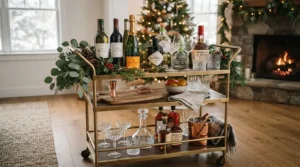
Here’s the thing about holiday hosting: the food gets the glory, the playlist gets the blame, and the glassware quietly decides whether the whole evening feels like a dinner party or a cafeteria. A wine glass is basically three parts, a bowl, a stem, and a foot, and each one changes how the table looks, how the wine smells, and how nervous you feel when Uncle Dave gestures with a full pour. The wine glass overview on Wikipedia notes that glass shape is widely believed to influence aroma, and that red wine glasses typically have rounder, wider bowls than whites.
So why this style? Classic bordeaux style wine glasses for red wine have the most forgiving personality. They hold a big pour, give a cabernet or merlot room to swirl, and look right next to the good china. They also don’t scream “fussy wine person” the way some ultra-specialized shapes do.
This guide covers seven real, widely available options. It runs from budget-friendly to splurge-worthy, and each pick gets honest analysis built on published specs and genuine review themes. You’ll also get a plan for your holiday table setting, a hosting essentials checklist, and the care rules that keep your glasses sparkling past New Year’s.
Quick Comparison: 7 Classic Bordeaux Style Wine Glasses for Red Wine at a Glance
| Product | Approx. Capacity | Material | Care | Price Tier | Best For |
|---|---|---|---|---|---|
| Libbey Signature Kentfield Balloon | Not listed (about 8.9 in tall) | Lead-free ClearFire glass | Dishwasher safe | Budget | Big guest lists |
| Lenox Tuscany Classics Bordeaux | 27 oz | Mouthblown crystal glass | Dishwasher safe (per Lenox) | Mid-range | A traditional holiday look |
| Spiegelau Authentis Bordeaux | About 22 oz (650 ml) | Crystal glass | Dishwasher safe | Mid-range | Dressy everyday dining |
| Schott Zwiesel Tritan Pure Bordeaux | About 23 oz (680 ml) | Tritan lead-free crystal | Dishwasher safe | Mid-range | Hosts worried about breakage |
| Riedel Vinum Bordeaux | About 21 oz (610 ml) | Machine-made crystal glass | Dishwasher OK; hand wash often advised | Mid-to-upper | Wine-curious beginners |
| Luigi Bormioli Talismano Bordeaux | 23.75 oz | Titanium-reinforced glass | Dishwasher safe | Mid-to-upper | Gift-worthy sets |
| Zalto Denk’Art Bordeaux | 765 ml (roughly 26 oz) | Mouth-blown lead-free crystal | Dishwasher safe per several retailers | Premium | Enthusiasts and showpiece tables |
Looking at the table, the Libbey Signature Kentfield Balloon wins on pure cost per seat, while the Lenox Tuscany Classics Bordeaux offers the biggest bowl for the traditional-table crowd. If breakage anxiety runs your hosting life, the Schott Zwiesel Tritan Pure Bordeaux is built for exactly that worry. The Zalto Denk’Art Bordeaux sits alone at the top, and it only makes sense if you’ll actually notice the difference.
💬 Just one click — help others make better buying decisions too!😊
Top 7 Classic Wine Glasses for Holiday Entertaining: Expert Analysis
Every pick below is judged on what the spec sheet means in a real dining room: pour size, stem strength, cleanup, and table presence.
1. Libbey Signature Kentfield Balloon — big-batch glassware without the big bill
When the guest list outgrows your nice set, this is the glass that rescues you. It stands roughly 8.9 inches tall and 4.3 inches wide, with a balloon-shaped bowl, thin walls, a laser-cut rim, and a pulled stem. In practice, the wide balloon gives cabernet and merlot plenty of swirl room, and the laser-cut rim gives a cleaner lip feel than a molded edge.
The lead-free ClearFire glass is made in the USA and rated dishwasher safe, which matters when you’re clearing a dozen glasses at midnight. On paper, this is more balloon than strict Bordeaux. The wide bowl lets aromas escape faster than a tapered glass would, so it suits casual, high-volume entertaining better than a quiet tasting.
Review sentiment is thin. The one retailer-page buyer comment I found called the shape fine but not a favorite, while praising the slim stem. I couldn’t verify a large review pool for this exact model. The brand’s sibling all-purpose Kentfield Estate glass has been cited as a “best overall” pick by several outlets per the manufacturer’s listing, but that is a different model.
Pros:
- ✅ Lead-free glass made in the USA
- ✅ Wide bowl gives generous swirl room
- ✅ Dishwasher safe for easy cleanup
Cons:
- ❌ Not a true tapered Bordeaux profile
- ❌ Limited verifiable review data
Expect a price of roughly $30-$50 for a set of four, so check current price. For filling out a crowded table affordably, the value verdict is strong.
2. Lenox Tuscany Classics Bordeaux — the “grandma’s good crystal” look, minus the fuss
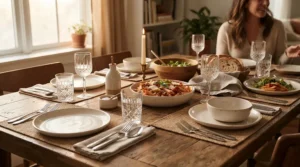
If you picture a classic holiday table, this is the silhouette in your head. Each glass is about 10.75 inches tall with a 27-ounce oval bowl, mouthblown with fire-polished rims. That height towers over most dinnerware and gives the table a formal, candlelit presence.
The big bowl means a modest pour looks generous and the wine still has room to open up. Lenox rates the set dishwasher safe and break resistant, though a glass this tall wants careful loading. Stems are the weak point in any tall stemware, so leave breathing room between pieces.
For review sentiment, the closely related Tuscany red wine set earns about 4.5 out of 5 from roughly 317 ratings on a major department-store page. Buyers praise the sturdy feel and graceful shape. The recurring complaints aren’t about the glass at all, but about shipping: broken pieces and an occasional missing glass on arrival.
Pros:
- ✅ Tall, traditional silhouette photographs beautifully
- ✅ Large 27 oz bowl for aromatic reds
- ✅ Dishwasher safe, per the manufacturer
Cons:
- ❌ Height strains shorter cabinet shelves
- ❌ Reviewers report shipping breakage
Plan on a price in the $50-$75 range for four. For a heirloom-style table, the value verdict is excellent.
3. Spiegelau Authentis Bordeaux — dressy enough for guests, tough enough for Tuesday
This is the “I want nice glasses but I will absolutely run them through the dishwasher” option. The Authentis Bordeaux holds about 22 ounces (650 ml) and stands roughly 9 inches tall, with a wide bowl, a subtly tapered profile, and a long, thin stem. That taper helps concentrate aromas toward the rim, which is the whole point of a Bordeaux shape.
The crystal glass is described as break resistant and dishwasher safe. The manufacturer says the line earned a Certificate of Excellence from a German sommelier association. That’s a manufacturer claim, not independent testing, so weigh it accordingly. What the spec sheet won’t tell you is how a thin stem holds up to a year of weeknight use, and I couldn’t find enough verified consumer reviews to say.
On balance, it’s a quiet performer. It’s less theatrical than the Lenox Tuscany Classics Bordeaux and less delicate than the Zalto Denk’Art Bordeaux, which makes it a smart workhorse for households that entertain often.
Pros:
- ✅ Tapered bowl focuses red wine aromas
- ✅ Break-resistant crystal glass
- ✅ Dishwasher safe for frequent use
Cons:
- ❌ Verified consumer reviews were scarce
- ❌ Pricing varies widely by set size
Expect roughly $15-$30 per glass depending on set size and seller. For everyday-to-holiday flexibility, it’s a solid value.
4. Schott Zwiesel Tritan Pure Bordeaux — built for hosts who flinch at every clink
If your biggest fear is the sound of a stem snapping, start here. The Pure Bordeaux holds about 680 ml (roughly 23 ounces), stands 267 mm tall with a 94 mm diameter, and weighs about 210 grams. Its angular, modern bowl is made from Tritan, a lead-free crystal that swaps lead for titanium and zirconium.
The makers claim Tritan resists chipping, scratching, and clouding after repeated dishwasher cycles. One European retailer claims about 40 percent lower breakage odds than regular glass, so treat that as a marketing figure. Still, Tritan is a staple in hotels and restaurants for a reason, and it’s why this glass suits big, rowdy dinners.
The angular shape reads contemporary rather than old-world. If your table leans traditional, the angled bowl may feel like a stylistic outlier. I couldn’t verify a large review set, but one specialty retailer lists single glasses around $25, a useful price anchor.
Pros:
- ✅ Lead-free Tritan resists chips and scratches
- ✅ Dishwasher safe with lasting clarity
- ✅ Light at about 210 grams
Cons:
- ❌ Angular bowl looks modern, not traditional
- ❌ Single-glass pricing adds up fast
Expect roughly $100-$150 for a set of six at typical retail. For durability-minded hosts, the value is very good.
5. Riedel Vinum Bordeaux — the gateway drug to varietal-specific glassware
The Vinum line was created so more people could afford varietal-specific glasses, and it’s modeled on the brand’s handmade Sommeliers range. The Bordeaux holds about 610 ml (roughly 21 ounces) and stands about 8.9 inches tall. It targets full-bodied, tannin-rich reds, and the generous bowl is meant to let the bouquet open up.
One wrinkle deserves honesty. Retailer listings conflict on the material: some describe 24 percent lead crystal, others say lead free. Check the exact listing before buying, especially if you plan to leave wine in the glass for long stretches. Several listings also suggest hand washing even though the glass is rated dishwasher safe.
On review sentiment, the Vinum Cabernet/Merlot set carries about 4.6 out of 5 stars from roughly 320 reviews on a major retail listing. Buyers call it versatile and everyday-friendly. One reviewer advised checking the stem for smoothness on arrival.
Pros:
- ✅ Strong review average across hundreds of buyers
- ✅ Bowl designed for tannic reds
- ✅ Recognizable brand makes gifting easy
Cons:
- ❌ Material listings conflict between retailers
- ❌ Hand wash often recommended
Plan on roughly $75-$95 for a pair at some big retailers. For entry-level wine nerds, the value verdict is positive.
6. Luigi Bormioli Talismano Bordeaux — gift-box polish at a middle-of-the-road price
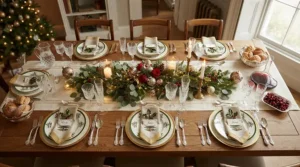
This one wears its Italian pedigree well. The Talismano Bordeaux holds 23.75 ounces and comes in sets of four. Retail listings describe a titanium-reinforced glass made with the brand’s SON.hyx technology, which the manufacturer says holds its clarity through thousands of commercial wash cycles. That’s a brand claim, but it fits the sturdy, hotel-grade positioning.
The practical upside is a glass that looks more expensive than it costs and ships in a presentable box. That makes it a natural hostess gift or a first “real” set for a newlywed table. The tradeoff is weight: titanium-reinforced glass tends to feel a bit sturdier and less feather-light than premium mouth-blown options.
A retailer page for a sibling model in the same family showed perfect marks from two reviewers, one saying the glasses look and feel expensive and hold up to hand washing. Two reviews is far too small a sample to call a trend. A larger retailer listing shows more than 200 reviews, but I couldn’t verify the rating.
Pros:
- ✅ Gift-ready presentation
- ✅ Titanium-reinforced glass for durability
- ✅ Dishwasher safe per listing
Cons:
- ❌ Heavier feel than hand-blown rivals
- ❌ Review data is limited for this exact model
Expect roughly $50-$95 for four depending on size and seller. As a gift-worthy mid-tier buy, it earns a thumbs-up.
7. Zalto Denk’Art Bordeaux — the featherweight showpiece that wine people whisper about
This is the splurge. The Denk’Art Bordeaux holds 765 ml (roughly 26 ounces), stands about 240 mm tall and 109 mm wide, and weighs only about 125 grams. It is mouth-blown, lead-free crystal made in Austria, and the bowl’s tilted curves are inspired by the angles of the Earth, according to the maker.
On paper, a conical bowl, huge capacity, and almost no weight add up to a glass that feels like holding a soap bubble. One third-party review noted the Bordeaux shape made the biggest difference compared with standard glasses. Several retailers list the glass as dishwasher safe, though other reviewers suggest hand washing, so follow the care advice that comes with your set.
The honest caveat: fragility is real. Thin, light glass breaks more easily, and replacing a $65-$105 glass hurts in a way a $5 breakage doesn’t. This is a table-centerpiece investment, not a “lend them to the teenager” purchase.
Pros:
- ✅ Remarkably light at about 125 grams
- ✅ Huge 765 ml bowl for aromatic reds
- ✅ Hand-made lead-free crystal
Cons:
- ❌ Fragile and costly to replace
- ❌ Care advice varies by retailer
Expect roughly $65-$105 per glass. For serious enthusiasts, the value verdict is “worth it only if you’ll notice.”
How to Choose Classic Wine Glasses for Holiday Entertaining
Picking glassware feels like it should be simple, and then you’re standing in an aisle comparing 14 nearly identical stems. Here’s a seven-step shortcut. Stemware is built from a bowl, a stem, and a foot, as the stemware entry on Wikipedia describes, and each step below maps to one of those parts.
- Match the bowl to the wine. For full-bodied reds like cabernet and merlot, choose a tall bowl with a gently tapered rim. It leaves room to swirl and keeps aromas from escaping.
- Check capacity against your pour. Glasses in the 21-27 ounce range work because you pour only a modest amount, leaving headspace for aroma.
- Pick a material for your cleanup tolerance. Lead-free crystal, Tritan, and titanium-reinforced glass generally handle dishwashers better than delicate hand-blown pieces.
- Judge stem and rim thickness. Thin rims feel elegant. Thicker stems survive clumsy handling. Decide which matters more for your crowd.
- Count honestly. Multiply your guest list by one and a half, then add a few spares, because breakage and wine switching are real.
- Measure your cabinet. Glasses over ten inches tall may not fit standard shelves.
- Read the care label before you commit. “Dishwasher safe” and “hand wash recommended” often appear on the same listing.
Red Wine Glass Shape: Why the Bordeaux Bowl Works
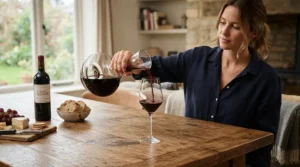
Red wine glass shape isn’t snobbery; it’s physics with a side of theater. A wider bowl exposes more wine to air, and a narrower rim helps trap the aromas that rise from it. One Saveur buying guide explains that fuller-bodied, more tannic reds call for a larger bowl and wider opening so the wine can open up. That’s the classic Bordeaux profile.
The Bordeaux shape is typically taller and less squat than a Burgundy bowl, and its moderate taper holds aromas near your nose. A Burgundy glass is wider, which suits delicate, fragrant reds like pinot noir. For a holiday table where you’ll likely pour cabernet, merlot, and maybe a blend, the Bordeaux shape is the safest all-rounder.
A fair skeptic’s note: glass shape changes the chemistry of the aromas in the headspace, but perception also depends on sight and expectation. A beautiful glass makes people slow down and pay attention. That’s a real benefit, even if some of it is psychological.
Here’s the practical translation. If you serve one red all night, the Bordeaux shape is plenty. If you serve a lighter pinot and a bold cabernet, add a few Burgundy-style glasses rather than buying a full second set.
Classic Wine Glasses for Everyday Dining
Buying classic wine glasses for everyday dining is the smartest way to justify the purchase. Holiday hosting happens a few times a year, but weeknight dinners happen constantly, and glasses that only come out for company are glasses collecting dust.
The trick is to treat durability as a feature, not a compromise. A Schott Zwiesel Tritan Pure Bordeaux or Spiegelau Authentis Bordeaux can survive the dishwasher, the teenager, and the Wednesday-night lasagna. Save the Zalto Denk’Art Bordeaux for evenings when you’re actually savoring something.
A two-tier system works beautifully. Keep four “hero” glasses for special bottles and a larger group of workhorse glasses for daily use and crowds. You can even mix them at a holiday table, as long as the shapes are similar enough that nobody notices. Store everyday glasses within easy reach, because convenience decides whether you use them.
Holiday Table Setting: A Practical Layout Guide
A holiday table setting rewards planning more than talent. Set the table the day before, because you’ll want to check the glasses under real light, and spots or fingerprints show up fast.
Step 1: Polish early. Hold each glass over steam from a kettle, then buff with a clean lint-free cloth, cradling the bowl so you don’t twist the stem.
Step 2: Place with convention. A widely followed layout puts the water glass above the dinner knife, with wine glasses to its right, arranged in the order you’ll pour. Redefine it if your table is tight, but keep the logic consistent.
Step 3: Mind the sightlines. A 10-inch glass plus a tall centerpiece can wall guests off from each other. Keep centerpieces low or slim.
Step 4: Add small markers. Stem charms or place cards help guests find their glass after wandering off for dessert.
Step 5: Stage extras. Keep spares on a tray in the kitchen, and put a decanter or a bottle coaster near the host’s seat.
Common first-night mistakes include setting glasses too close to plate edges, where elbows knock them, and crowding three glasses per person onto a small table. Two glasses per person, one for water and one for wine, is usually plenty.
Hosting Essentials: Counts, Care, and Cleanup
Hosting essentials start with arithmetic. As a rule of thumb, plan one and a half glasses per guest, plus a few spares, so refills in a fresh glass and the inevitable breakage don’t leave anyone empty-handed.
Next, build a simple kit. You’ll want a reliable corkscrew, a cloth for drips, a decanter if you’re serving young or tannic reds, a tray for carrying glasses, and a small bucket for empties. A bottle holds roughly 25 ounces, and with a standard pour well under the glass’s capacity, one bottle covers about five glasses, so plan bottle counts accordingly.
Pour about a third of the way up. That leaves room to swirl without wearing the wine, and it keeps the Lenox Tuscany Classics Bordeaux and similar big bowls from looking like soup bowls.
Cleanup is where good glasses survive or die. If you machine wash, use the top rack, leave space between pieces, and skip heavy detergent. If you hand wash, use warm water, minimal soap, and a soft cloth, supporting the bowl rather than twisting the stem. Never store glasses near strongly scented items, since lingering odors can transfer into the glass.
✨ Don’t Miss These Exclusive Deals!
🔍 Take your holiday table to the next level with these carefully selected glasses. Click on any highlighted item to check current pricing and availability. These picks will help you create a warm, polished evening your family will love!
Real-World Scenarios: Which Classic Wine Glasses Fit Your Holiday?
Different hosts need different glasses. Here are three profiles, each with a budget, a setting, and a frequency of use, plus a quick decision framework.
Scenario 1: The first-time Thanksgiving host. You’re feeding eight, on a budget around $100, and entertaining only a few times a year. Two sets of the Libbey Signature Kentfield Balloon cover everyone affordably, and the dishwasher saves your sanity.
Scenario 2: The gift-minded Christmas host. You’re setting a six-seat formal table and want something that looks the part. The Lenox Tuscany Classics Bordeaux delivers old-school presence, while the Luigi Bormioli Talismano Bordeaux adds gift-box polish.
Scenario 3: The wine enthusiast hosting four. You open one or two special bottles each month. The Zalto Denk’Art Bordeaux or Riedel Vinum Bordeaux gives the wine more attention, and the small guest list makes a premium set manageable.
Buyer’s decision framework:
- If you fear breakage, choose the Schott Zwiesel Tritan Pure Bordeaux because Tritan is built for rough handling.
- If you want a traditional look, choose the Lenox Tuscany Classics Bordeaux because the tall, rounded bowl reads classic.
- If you want an everyday-plus-holiday glass, choose the Spiegelau Authentis Bordeaux because it balances elegance with durability.
- If you want the best sensory experience, choose the Zalto Denk’Art Bordeaux because it prioritizes bowl design and weight.

Top 7 Specs, Prices, and Review Signals Compared
| Product | Height / Size | Price Range (Check Current) | Review Signal | Best For |
|---|---|---|---|---|
| Libbey Signature Kentfield Balloon | About 8.9 in tall | $30-$50 per 4 | Limited verified | Budget crowds |
| Lenox Tuscany Classics Bordeaux | About 10.75 in tall | $50-$75 per 4 | Sibling set ~4.5/5 | Traditional tables |
| Spiegelau Authentis Bordeaux | About 9.1 in tall | $15-$30 per glass | Limited verified | Everyday dining |
| Schott Zwiesel Tritan Pure Bordeaux | 267 mm tall | $100-$150 per 6 | Limited verified | Break-prone homes |
| Riedel Vinum Bordeaux | About 8.9 in tall | $75-$95 per 2 | ~4.6/5 (cabernet/merlot set) | Beginners |
| Luigi Bormioli Talismano Bordeaux | 23.75 oz | $50-$95 per 4 | Limited verified | Gifting |
| Zalto Denk’Art Bordeaux | 240 mm tall | $65-$105 per glass | Third-party praise | Enthusiasts |
Across this table, the review signal is the weakest column, which is a genuine finding. Only the Riedel set has a large, verifiable review base, so treat the rest as spec-driven picks rather than crowd-validated ones. If review volume matters to you, lean toward the Riedel Vinum Bordeaux or the related Lenox Tuscany Classics Bordeaux set, which both show hundreds of ratings.
Classic Stemmed Glasses vs Stemless Tumblers
Stemless glasses are cozy and stable, but they aren’t a true replacement for classic stemware at a holiday dinner.
| Feature | Classic Stemmed | Stemless |
|---|---|---|
| Wine temperature | Hand stays off the bowl | Hand warms the wine |
| Fingerprints | Fewer on the bowl | Visible on the bowl |
| Table presence | Tall and formal | Low and casual |
| Breakage risk | Stem can snap | Sturdier overall |
| Best For | Holiday and formal tables | Casual nights and small cabinets |
The tradeoff is simple: stems protect the wine from hand warmth and keep the bowl clean, while stemless glasses win on stability and storage. For a Lenox Tuscany Classics Bordeaux style table or any formal evening, stems are the right call. For a laid-back game night, stemless is perfectly reasonable, and nobody will judge.
Lead-Free vs Lead Crystal: A Practical Safety Guide
Crystal’s reputation for sparkle comes partly from lead, and that raises a fair question for anyone pouring wine. According to McGill University’s Office for Science and Society, lead crystal typically contains 24-32 percent lead oxide, and small amounts can leach into beverages stored for long periods. The same piece notes that serving a drink from a lead crystal decanter at a dinner party isn’t the concern; storing drinks in one is.
The practical rule is straightforward. Serve from crystal, but don’t store wine in it for days, and avoid lead crystal for children and pregnant women who would use it regularly. The easiest fix is to buy lead-free options, which is where most modern picks land. The Schott Zwiesel Tritan Pure Bordeaux and Zalto Denk’Art Bordeaux are both described as lead-free.
Because retailer listings for the Riedel Vinum Bordeaux conflict on this point, read the exact product page before buying. If you inherit vintage crystal, use it for occasional serving, not daily storage or everyday sipping.
Long-Term Cost and Maintenance: What Glasses Really Cost Per Use
Sticker price is only half the story, so here’s an illustrative example using the price ranges above. Suppose a premium glass costs about $80 and survives five years of ten uses per year. That’s roughly $1.60 per use. A budget glass at around $8 that breaks after two years of the same use costs about $0.40 per use, so on pure math, cheaper glass can win.
Where premium pays off is in how it’s used. A glass you love gets used more often, which lowers cost per use. A glass you’re afraid to wash sits in the cabinet and costs you the full price for nothing.
Maintenance costs are small but real: soft cloths, a drying rack, and sometimes rinse aid. Spend a little more on durability if you entertain often. The Schott Zwiesel Tritan Pure Bordeaux and Spiegelau Authentis Bordeaux are the strongest “buy once, host often” candidates here. Meanwhile, the Libbey Signature Kentfield Balloon makes replacement painless if a few break.
Common Mistakes When Buying Classic Wine Glasses
Even smart shoppers repeat a few predictable errors. Skipping them saves money and frustration.
- Overfilling the glass. A bowl built for aroma needs empty space. Pour about a third full.
- Ignoring cabinet height. A glass over ten inches tall, like the Lenox Tuscany Classics Bordeaux, may not clear your shelf.
- Buying too many styles. Three shapes across a table look chaotic. Stick with one Bordeaux-style set and a few Burgundy-style extras.
- Cramming the dishwasher. Glasses that touch chip and cloud, so leave space.
- Trusting “dishwasher safe” blindly. Delicate pieces like the Zalto Denk’Art Bordeaux last longer with gentler handling, regardless of what the label allows.
- Forgetting spares. Breakage happens at the worst moment, usually mid-toast.

FAQ
❓ How many wine glasses do I need for a holiday dinner party?
❓ Are classic bordeaux style wine glasses only for red wine?
❓ Can classic wine glasses go in the dishwasher?
❓ How full should I pour a red wine glass at a holiday dinner?
❓ Is crystal or regular glass better for everyday dining?
Conclusion
Choosing classic wine glasses for holiday entertaining comes down to matching the glass to the way you actually host. If you want maximum seats for minimum spend, the Libbey Signature Kentfield Balloon is the practical answer. If you want a traditional, candlelit look, the Lenox Tuscany Classics Bordeaux delivers. For households that run the dishwasher daily, the Schott Zwiesel Tritan Pure Bordeaux and Spiegelau Authentis Bordeaux offer the best balance of elegance and durability.
For gifting and polished sets, the Luigi Bormioli Talismano Bordeaux is a smart middle ground. Beginners who want a well-reviewed entry into varietal glassware should look at the Riedel Vinum Bordeaux, mindful of the conflicting material listings. And if you’re a genuine enthusiast who’ll notice the difference, the Zalto Denk’Art Bordeaux is the showpiece.
Remember what really makes a holiday table work: a thoughtful holiday table setting, a stocked hosting essentials kit, and glasses you’re not afraid to use. Pick one set, count your guests honestly, and add a few spares. The rest is just good wine and better company.
Recommended for You
- Classic Wine Glass Set: 7 Best Picks For 2026 (Budget-Proof)
- Angular Stemless Wine Tumblers For Whiskey And Wine: 7 Best Buys 2026
- Angular Wine Glasses For A Modern Bar Setup: 7 Stunning Picks (2026)
Disclaimer: This article contains affiliate links. As an Amazon Associate, I earn from qualifying purchases. If you purchase products through these links, we may earn a small commission at no additional cost to you.
✨ Found this helpful? Share it with your friends! 💬🤗
