In This Article
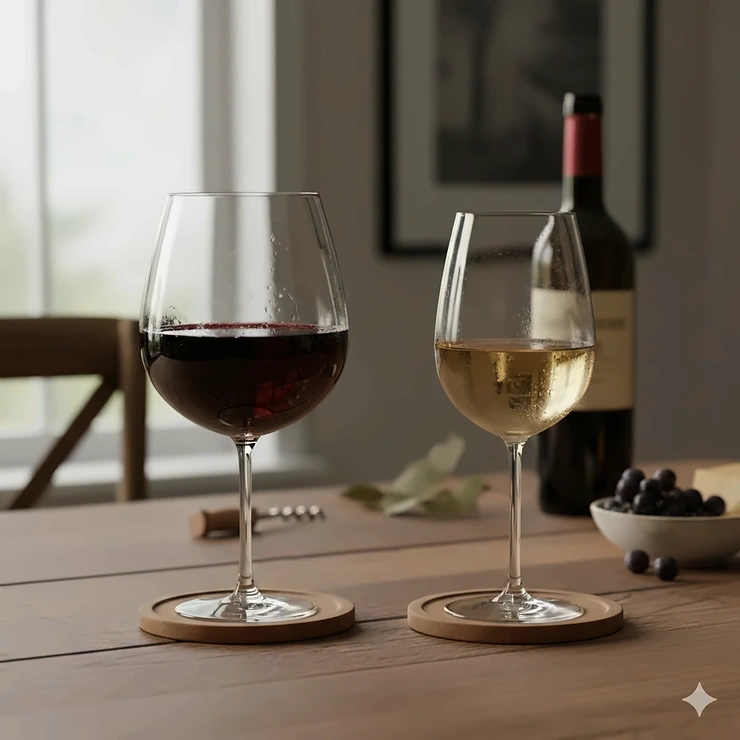
Picture this: you’ve just uncorked a spectacular bottle of Cabernet Sauvignon, only to pour it into a narrow white wine glass. The aromas seem muted, the flavors underwhelming. You might wonder if you’ve been sold a mediocre wine, but here’s the twist—your glassware just sabotaged your entire tasting experience.
The debate between red wine glass vs white wine glass isn’t just sommelier snobbery. Scientific research from Tokyo Medical and Dental University has actually proven that glass shape directly affects how ethanol vapors disperse, fundamentally changing what you smell and taste. When you understand the proper wine glass selection, you’re not just following tradition—you’re unlocking the full potential of every bottle you open.
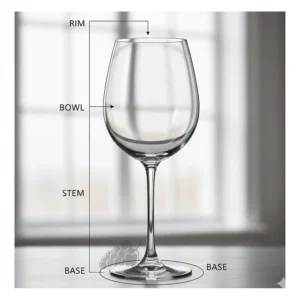
Red wine glasses typically feature larger, rounder bowls that can hold 15-25 ounces, while white wine glasses are more slender with 12-16 ounce capacities. But bowl size is just the beginning. The wine glass shape differences extend to stem length, rim diameter, and even the curve of the bowl itself. Each design element serves a specific purpose in temperature control, aeration, and aroma concentration.
Whether you’re building your first glassware collection or upgrading your current set, understanding these distinctions will transform how you experience wine. Let’s dive into what makes each glass unique and which ones deserve a spot in your cabinet.
Quick Comparison Table: Red vs White Wine Glasses
| Feature | Red Wine Glasses | White Wine Glasses |
|---|---|---|
| Bowl Size | Larger (15-25 oz) | Smaller (12-16 oz) |
| Bowl Shape | Rounder, wider opening | U-shaped, narrower opening |
| Stem Length | Shorter to medium | Longer |
| Primary Purpose | Aeration & oxidation | Preserve aromas & temperature |
| Serving Temp | 54-65°F (12-18°C) | 45-55°F (7-13°C) |
| Best For | Full-bodied, tannic wines | Crisp, delicate wines |
| Surface Area | Maximum exposure to air | Minimal exposure to air |
💬 Just one click – help others make better buying decisions too! 😊
Top 7 Wine Glasses: Expert Analysis for 2026
1. BACLIFE Hand Blown Red Wine Glasses Set
If you’re searching for artisan craftsmanship that doesn’t break the bank, BACLIFE Hand Blown Red Wine Glasses deserve serious consideration. Each 23-ounce glass in this set of four is individually mouth-blown by artisans with over 15 years of experience, resulting in crystal-clear walls as thin as paper.
Key Specifications:
- 100% lead-free crystal glass
- 23 oz capacity per glass
- Hand-blown with 27-step process
The generous bowl allows bold reds like Cabernet and Merlot to breathe properly, while the ultra-thin rim (0.8mm) creates an almost imperceptible transition from glass to mouth. Customers consistently praise the elegant appearance and how the glasses enhance wine flavors by up to 30% compared to standard glassware. At around $40-50 for a set of four, these represent exceptional value for hand-crafted stemware.
✅ Pros:
- Museum-quality craftsmanship at accessible pricing
- Perfectly balanced for easy swirling
- Gift-ready packaging with protective materials
❌ Cons:
- Delicate construction requires careful handling
- Hand-wash recommended despite being dishwasher-safe
2. LUNA & MANTHA Premium Crystal Wine Glasses
The LUNA & MANTHA Wine Glasses bridge the gap between everyday use and special occasions beautifully. Made from titanium crystal that’s been certified by European standards, these 15-ounce glasses shine with exceptional clarity and emit that signature crystal “ping” when tapped.
Key Specifications:
- Premium titanium crystal construction
- 15 oz capacity
- Available in sets of 4 or 6
What sets these apart is the seamless pulled stem—there’s literally no seam between bowl and stem, which you’ll definitely notice when you run your finger along it. The tulip shape isn’t just aesthetically pleasing; it’s scientifically designed to let wine breathe without over-oxygenating. Users report that the ultra-thin rim feels like the glass disappears when drinking, focusing all attention on the wine itself. Price ranges from $35-45 for a set of four.
✅ Pros:
- Tulip design works for both red and white wines
- Exceptionally lightweight yet durable
- 27-step hand-blown process ensures quality
❌ Cons:
- May feel too delicate for casual outdoor use
- Narrower base than some prefer
3. Riedel Wine Friendly Red Wine Glasses
When a brand has been perfecting glassware since 1756, they know a thing or two about wine. Riedel Wine Friendly glasses are the entry point into one of the most respected names in wine accessories, offering German-made precision at surprisingly democratic prices.
Key Specifications:
- Machine-made in Germany
- 23 oz capacity
- Dishwasher-safe crystal
This universal red wine glass features a generous bowl designed to suit multiple red varietals—from Pinot Noir to Zinfandel. The shape emphasizes fruit while balancing tannins, making it particularly forgiving if you’re still exploring different wine styles. At 9.72 inches tall, they have commanding presence on any table. Reviewers love that these deliver Riedel’s legendary quality without the luxury price tag, typically selling for $55-70 per set of four.
✅ Pros:
- Versatile shape works across red wine varieties
- True dishwasher-safe durability
- Riedel heritage and quality control
❌ Cons:
- Machine-made lacks the uniqueness of hand-blown
- Large size may be cumbersome in smaller cabinets
4. Spiegelau Style Crystal White Wine Glasses
Five centuries of German glassmaking expertise come together in the Spiegelau Style Crystal White Wine Glasses. Part of a brand that’s been crafting glass since the 16th century, these 15.5-ounce glasses bring professional-grade performance to home wine enthusiasts.
Key Specifications:
- Lead-free Tritan crystal
- 15.5 oz capacity
- Set of 4 glasses
The sleek silhouette isn’t just pretty—it’s engineered to enhance white wine aromatics while maintaining cooler serving temperatures. The shape works brilliantly for Sauvignon Blanc, Chardonnay, and even sparkling wines according to professional sommeliers. What really impresses is the break-resistant Tritan crystal construction, which combines elegance with practical durability. Many restaurants and hotels worldwide use Spiegelau for exactly this reason. Expect to invest $45-60 for the set.
✅ Pros:
- Professional-grade clarity and brilliance
- Genuinely break-resistant for daily use
- Transitions effortlessly from formal to casual settings
❌ Cons:
- Mid-range pricing may exceed casual users’ budgets
- Specific white wine design limits versatility
5. SCHOTT ZWIESEL Vinos Allround Wine Glasses
Here’s where versatility meets German engineering. The SCHOTT ZWIESEL Vinos Allround lives up to its name by handling red wine, white wine, and even water with equal grace. The 21-ounce capacity and 9.7-inch height create an impressive visual while the elongated stem adds sophistication to any occasion.
Key Specifications:
- Tritan crystal glass
- 21 oz capacity
- Made in Germany, dishwasher-safe
The signature of SCHOTT ZWIESEL glasses is their distinctive sound when you clink them—a clear, resonant note that signals authentic Tritan crystal. This particular shape works beautifully whether you’re pouring a bold Bordeaux or a crisp Riesling, making it ideal for those who want one set that does it all. Customers appreciate how these glasses feel substantial without being heavy, and the fact that they can survive countless dishwasher cycles. Pricing typically falls around $60-80 for four glasses.
✅ Pros:
- True all-purpose design eliminates need for multiple sets
- Exceptional dishwasher durability
- Locally sourced German materials
❌ Cons:
- May be too large for some white wine preferences
- Higher price point than budget options
6. ZWIESEL GLAS Pure Sauvignon Blanc White Wine Glasses
Sophistication meets precision in the ZWIESEL GLAS Pure Sauvignon Blanc glasses. These 14-ounce glasses showcase the Pure collection’s signature—strikingly distinctive contours that make them instantly recognizable on any table.
Key Specifications:
- Tritan Glass Protect technology
- 14 oz capacity
- Set of 6 glasses
At 9.1 inches tall with a 3.3-inch diameter, these glasses are specifically engineered for white wines, particularly Sauvignon Blanc varieties. The unique shape captures and concentrates the delicate floral and fruity notes that define quality white wines. The Tritan crystal construction means these are genuinely resilient despite their refined appearance—they’ll survive regular use and dishwasher cycles without clouding or chipping. German craftsmanship shines through in every detail. Budget around $70-90 for the six-glass set.
✅ Pros:
- Six glasses provide excellent entertaining capacity
- Specialist design maximizes white wine aromatics
- Modern aesthetic stands out from traditional shapes
❌ Cons:
- Single-varietal focus limits versatility
- Premium pricing reflects specialized engineering
7. Libbey Stemless Wine Glasses Set of 12
Value hunters, meet your match. The Libbey Stemless Wine Glasses Set of 12 delivers American-made quality at a price point that makes stocking up completely painless. You get six 16.75-ounce white wine glasses and six 17-ounce red wine glasses, providing instant readiness for any gathering.
Key Specifications:
- Made in USA
- Includes 6 white (16.75 oz) + 6 red (17 oz) glasses
- Lead-free, dishwasher-safe
Stemless designs have surged in popularity for good reason—they’re stable, space-efficient, and feel wonderfully contemporary. The red glasses feature a generous bowl that lets wine breathe, while the white glasses have a slender profile that preserves delicate aromas. What truly sets Libbey apart is durability; users report these glasses lasting 8+ years of regular dishwasher use without cloudiness or chips. At typically $40-55 for 12 glasses, the value proposition is unbeatable.
✅ Pros:
- Comprehensive set ready for red and white wines
- Stemless stability perfect for outdoor use
- Exceptional durability for the price
❌ Cons:
- Stemless design can’t prevent hand-warming
- Thicker glass than premium crystal options
Understanding Wine Glass Bowl Size: The Science Behind the Shape
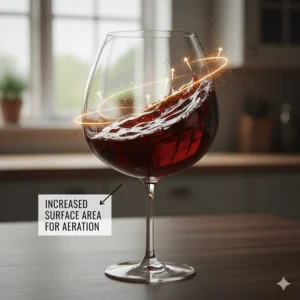
The bowl size isn’t arbitrary—it’s the result of centuries of refinement backed by modern science. When you pour wine into a glass, you’re creating a dynamic relationship between liquid, air, and aroma compounds. Red wine glasses feature larger bowls (typically 15-25 ounces) to maximize surface area contact with oxygen. This aeration process is crucial for full-bodied reds because it softens harsh tannins and allows complex flavor compounds to volatilize.
Think of it like this: tannins in red wine are basically flavor blockers when they’re too concentrated. A wider bowl provides the breathing room these wines need to mellow out. Meanwhile, white wines don’t benefit from excessive aeration—in fact, too much air exposure can actually diminish their delicate aromatics. That’s why white wine glasses sport smaller, more enclosed bowls.
The bowl shape affects more than just air exposure. It also directs where aromatic compounds travel. A study from Tokyo Medical and Dental University used specialized cameras to track ethanol vapor patterns in different glass shapes. They discovered that the classic red wine glass disperses alcohol concentration from the center to the rim, allowing you to experience wine’s bouquet without overwhelming ethanol burn. White wine glasses, with their more acute internal curve, funnel aromas directly to your nose in concentrated bursts.
Here’s something most people don’t realize: the bowl shape even influences which part of your palate first contacts the wine. Wider rims guide wine to spread across your tongue, hitting multiple taste receptors simultaneously—perfect for complex reds. Narrower openings direct wine to the middle of your palate, which is ideal for high-acid whites where you want to experience that crisp, refreshing quality front and center.
Stem Length Differences: Temperature Control Matters
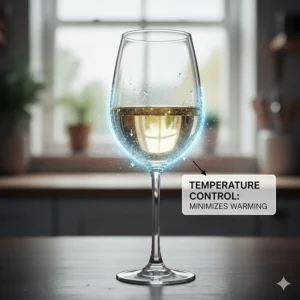
Ever wondered why white wine glasses have noticeably longer stems? It’s all about temperature management. White wines taste best when served between 45-55°F, and your hand generates enough heat to warm wine by several degrees within minutes. The longer stem on white wine glasses creates physical distance between your warm hand and the chilled wine, helping maintain that perfect serving temperature throughout your drinking experience.
Red wines, conversely, are typically enjoyed at 54-65°F—just below room temperature. At these warmer serving points, hand heat has minimal negative impact on flavor. This allows red wine glasses to feature shorter stems or even no stems at all (hello, stemless trend). Some wine enthusiasts actually prefer warming reds slightly with their hands to release additional aromatics.
The stem serves another crucial function: it provides leverage for swirling. That elegant wrist rotation you see in wine bars isn’t showmanship—it’s functional. Swirling exposes more wine to oxygen and releases volatile aroma compounds. A properly weighted stem makes swirling effortless and controlled. Try swirling a stemless glass versus a stemmed one, and you’ll immediately feel the difference.
Balance matters enormously here. A well-designed stem creates a low center of gravity that keeps the glass stable on the table while still feeling light in your hand. Poor stem design results in tippy glasses that make you nervous every time someone gestures enthusiastically during dinner conversation.
Rim Width and Opening: Directing Wine to Your Palate
The rim might seem like an afterthought, but it’s actually where the magic happens. This is the final frontier between wine and your sensory system, and its shape profoundly affects your perception. Red wine glasses feature wider rim openings—often 3-4 inches in diameter—which serves multiple purposes simultaneously.
First, the wide opening allows more aromatic compounds to escape the glass and reach your nose. Since we “taste” as much with our noses as our tongues (some researchers suggest up to 80% of flavor perception comes from smell), this expanded aroma delivery dramatically enhances the tasting experience. Second, the wider rim spreads wine across a larger area of your tongue, hitting sweet receptors on the tip, acidic receptors on the sides, and bitter receptors toward the back almost simultaneously. This creates the complex, layered flavor profiles that make great red wines so captivating.
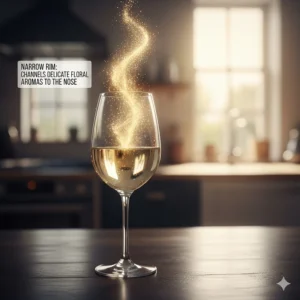
White wine glasses take the opposite approach with narrower openings (typically 2.5-3 inches). This focused aperture concentrates delicate aromatics, preventing them from dissipating too quickly. When you bring a white wine glass to your nose, you get an intense burst of floral, fruity, or mineral notes that would be lost in a wider vessel. The narrow rim also directs wine to a more specific area of your palate—usually the front and middle—where you can best appreciate acidity and fruit characteristics.
Rim thickness matters more than most people realize. Ultra-thin rims (less than 1mm) create an almost imperceptible transition from glass to mouth, putting all the focus on the wine itself. Thicker rims can feel clunky and actually interfere with your perception of the liquid. This is why hand-blown crystal glasses with laser-cut rims command premium prices—that whisper-thin edge genuinely improves the drinking experience.
Material Matters: Crystal vs Regular Glass
Step into any wine shop, and you’ll encounter a bewildering price range—from $10 glasses to $100+ stems. Material choice drives much of this variation. Traditional soda-lime glass is durable and affordable, but it can’t achieve the same thinness as crystal without becoming fragile. This thickness affects both aesthetics and function. When your lips meet a thick rim, you’re distracted by the glass itself rather than focusing entirely on the wine.
Crystal contains minerals (traditionally lead, though modern versions use titanium, zinc, or magnesium instead) that allow for thinner construction while maintaining strength. Lead-free crystal has become the industry standard, offering the clarity and delicacy of traditional crystal without health concerns. The SCHOTT ZWIESEL Tritan crystal we discussed earlier represents the cutting edge of this technology—break-resistant crystal that combines elegance with genuine durability.
Here’s the practical implication: crystal glasses feel lighter in your hand, allowing you to swirl and sip with less effort. They’re also more transparent, letting you appreciate wine’s color and clarity fully. The visual aspect of wine tasting matters more than casual drinkers might expect—color provides clues about age, variety, and even storage conditions. Premium crystal delivers this visual information with museum-quality clarity.
However, crystal comes with considerations. Even modern break-resistant versions require more care than heavy soda-lime glasses. Most crystal is technically dishwasher-safe, but hand-washing extends lifespan dramatically. The minerals that make crystal special can develop cloudiness from harsh detergents over time. If you value longevity and low maintenance, high-quality soda-lime glasses like Libbey’s offerings provide excellent compromise between performance and practicality.
Top 7 Products Comparison: Specifications at a Glance
| Product | Material | Capacity | Price Range | Best For |
|---|---|---|---|---|
| BACLIFE Hand Blown | Lead-free crystal | 23 oz | $40-50/4 | Red wine enthusiasts |
| LUNA & MANTHA | Titanium crystal | 15 oz | $35-45/4 | Versatile use |
| Riedel Wine Friendly | Crystal glass | 23 oz | $55-70/4 | Universal red wines |
| Spiegelau Style | Tritan crystal | 15.5 oz | $45-60/4 | White wine specialists |
| SCHOTT ZWIESEL Vinos | Tritan crystal | 21 oz | $60-80/4 | All-purpose use |
| ZWIESEL GLAS Pure | Tritan crystal | 14 oz | $70-90/6 | Sauvignon Blanc lovers |
| Libbey Stemless Set | Soda-lime glass | 16.75-17 oz | $40-55/12 | Budget-conscious buyers |
Common Mistakes When Choosing Wine Glasses
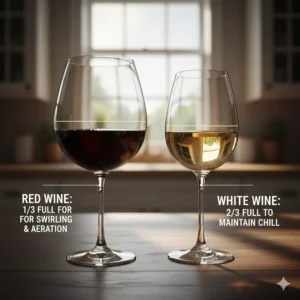
Walking into a glassware department can feel overwhelming, and that confusion leads to some predictable missteps. The most common error? Buying glasses that are too small. Many people purchase “wine glasses” that hold 8-10 ounces, which sounds reasonable until you realize proper pour sizes are 5-6 ounces for reds and 3-4 for whites. You need headspace above the wine for aromatics to develop. An 8-ounce glass filled with 5 ounces of wine leaves virtually no room for swirling or aroma concentration.
Another mistake is prioritizing matching sets over functionality. Your dinner party photos might look cohesive with identical glasses, but your Chardonnay and Cabernet aren’t experiencing optimal conditions. At minimum, invest in one set of red glasses and one set of white glasses. The incremental cost is negligible compared to the improvement in your wine enjoyment.
People also underestimate the importance of proper storage. Storing glasses upside-down in cabinets might seem logical to keep dust out, but it traps moisture and can transfer cabinet odors to the bowl—exactly where you’ll be smelling wine aromas. Store glasses upright in a clean, dry space. If you’re concerned about dust, give them a quick rinse before use.
Here’s a mistake I see constantly: using wine glasses for other beverages. Your beautiful Bordeaux glass shouldn’t double as your water glass at dinner. Residual flavors, even after washing, can interfere with wine. And please, never put wine glasses in the dishwasher with heavily soiled plates. Flying food particles can etch crystal permanently.
The Universal Glass Debate: Do You Really Need Multiple Sets?
Let’s address the elephant in the room—do you actually need specialized glasses for every wine varietal? Brands like Riedel offer Cabernet-specific, Burgundy-specific, and Chardonnay-specific shapes, which can lead to cabinets overflowing with stemware. The honest answer depends on your wine drinking habits and available storage space.
For serious wine enthusiasts who regularly drink diverse wines and have the space, varietal-specific glasses genuinely enhance the experience. A Burgundy glass’s wider bowl works magic with delicate Pinot Noirs that would be overwhelmed in a standard red wine glass. Similarly, a specialized Riesling glass captures those distinctive aromatic notes better than a generic white wine glass.
However, most people thrive with just three glass types: a universal red wine glass (like the Riedel Wine Friendly), a white wine glass (such as the Spiegelau Style), and a sparkling wine flute. This trio covers 90% of drinking situations. Add an all-purpose glass like the SCHOTT ZWIESEL Vinos if you want maximum versatility with minimum storage.
The middle path is acquiring specialized glasses as your wine education deepens. Start with basics, then add specific glasses when you notice you’re drinking certain varietals frequently. If you buy Pinot Noir weekly, a dedicated Burgundy glass makes sense. If you only drink it occasionally, your universal red glass serves perfectly well.
One consideration often overlooked: seasonal rotation. Many wine drinkers naturally gravitate toward reds in winter and whites in summer. Storing off-season glasses and rotating based on temperature can simplify your active glassware collection while still maintaining varietal-specific options.
Proper Wine Glass Selection: Matching Glass to Wine Style
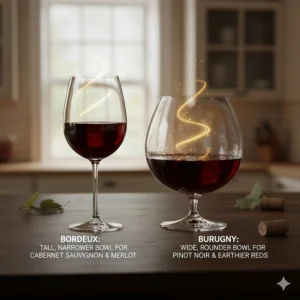
Beyond the basic red versus white distinction, certain glass shapes truly optimize specific wine categories. Full-bodied reds like Cabernet Sauvignon, Merlot, and Syrah benefit from tall glasses with broad bowls—often called Bordeaux or Cabernet glasses. The height creates distance between wine and nose, allowing harsh ethanol vapors to disperse before reaching your olfactory receptors. What remains is pure fruit, oak, and spice aromatics.
Light to medium-bodied reds tell a different story. Pinot Noir, Nebbiolo, and Grenache typically feature more delicate aromas and lighter tannin structures. The Burgundy glass design—characterized by a dramatically wide bowl and narrower opening—captures these subtle aromatics while directing wine to the tip of your tongue where you perceive sweet fruit notes. The wider bowl also provides maximum air exposure for wines that benefit from aggressive aeration.
White wines split into two primary camps. High-acid whites (Sauvignon Blanc, Albariño, Muscadet) perform brilliantly in glasses with smaller bowls and narrower openings. This design directs wine to the middle of your palate, emphasizing acidity and mineral qualities. The restricted opening prevents aromatics from dissipating too quickly, keeping those vibrant citrus and herbal notes concentrated.
Full-bodied whites—particularly oaked Chardonnay and Viognier—actually benefit from wider bowls similar to red wine glasses. The extra surface area allows oxidation to soften the alcohol presence and integrate oak flavors with fruit. Research published by wine educators consistently shows that serving full-bodied whites in oversized glasses enhances perception of richness and complexity.
Dessert wines present unique challenges. Port glasses are intentionally small with even smaller openings, concentrating sweetness onto your tongue’s tip while preventing overwhelming alcohol vapors from fortified wines. Ice wine and late-harvest Riesling glasses take a similar approach, capturing intense aromatics in a compact space.
✨ Don’t Miss These Exclusive Deals!
🔍 Take your wine appreciation to the next level with these carefully selected products. Click on any highlighted item to check current pricing and availability. These glasses will help you unlock the authentic flavor profiles your favorite wines deserve!
Caring for Your Wine Glasses: Making Them Last
Premium wine glasses represent an investment, and proper care ensures they serve you for years. Hand-washing is always preferred, even for glasses marketed as dishwasher-safe. Use warm (not hot) water and a small amount of unscented detergent. Scented dish soap leaves residues that interfere with wine aromatics—something you’ll definitely notice once you’re aware of it.
The technique matters as much as the products. Hold the glass by the bowl, never twisting bowl and stem in opposite directions. This twisting motion is how 90% of wine glasses break during washing. If you’re cleaning the bowl interior, support the base with your other hand. A soft brush or microfiber cloth works better than abrasive sponges that can create tiny scratches where bacteria hide.
Rinsing deserves attention too. Many people don’t realize that hard water leaves mineral deposits on crystal that accumulate over time, creating cloudiness. If you have hard water, finish with a distilled water rinse. Dry immediately with a lint-free cloth—air drying allows water spots to form that become increasingly difficult to remove.
Storage solutions vary by available space, but a few principles apply universally. Store glasses upright in a cabinet away from strong odors (spices, cleaning products, etc.). If you must stack glasses, place a clean cloth or paper towel between each layer to prevent scratching. Wine glass racks that hang stems from overhead mounting points look great and save counter space, though they’re better suited for everyday glasses rather than delicate crystal.
For crystal and hand-blown glasses, periodic professional cleaning might seem excessive but pays dividends. Many wine shops offer ultrasonic cleaning services that remove deposits hand-washing can’t touch. Once yearly deep cleaning maintains that pristine, just-purchased clarity indefinitely.
Benefits vs Traditional Alternatives: Glass vs Plastic vs Metal
The wine glass market now includes alternatives from plastic to stainless steel, each promoting different benefits. Plastic wine glasses solve the outdoor and poolside dilemma elegantly. Modern acrylic versions closely mimic glass clarity while remaining virtually unbreakable. They’re perfect for boats, camping, or concert venues where broken glass creates safety hazards. However, plastic can’t achieve the rim thinness that crystal offers, and experienced wine drinkers notice the difference immediately.
Stainless steel wine glasses entered the market as temperature-control solutions. Double-walled construction keeps whites cold and prevents condensation. They’re genuinely convenient for outdoor summer drinking when your Sauvignon Blanc would warm up quickly in glass. The tradeoff? You can’t see the wine’s color, which removes an entire dimension from the tasting experience. And the metal can impart subtle flavors, particularly noticeable with delicate whites.
Silicone wine glasses split the difference—flexible, unbreakable, and transparent. They’re increasingly popular for picnics and hiking. The flexibility creates its own issues though; swirling wine in a silicone glass feels awkward, and the material doesn’t provide the rigid stability that glass offers. They’re fantastic for specific situations but won’t replace proper glassware for serious drinking.
Traditional glass remains supreme for home use because it’s chemically inert (imparts no flavors), transparent (lets you see the wine), and capable of ultra-thin rim construction (maximizes sensory experience). The fragility that alternative materials aim to solve is manageable with proper care and appropriate selection—choosing break-resistant Tritan crystal or durable soda-lime glasses for everyday use.
| Type | Pros | Cons | Best Use |
|---|---|---|---|
| Traditional Glass | Optimal flavor, visual clarity | Fragile | Home entertaining |
| Tritan Crystal | Durability + elegance | Higher cost | Daily + special occasions |
| Acrylic Plastic | Unbreakable, lightweight | Can’t achieve thin rim | Outdoor events |
| Stainless Steel | Temperature control | Blocks wine visibility | Casual outdoor use |
Investment Guide: When to Splurge vs Save
Not all wine glasses merit premium investment, and understanding where to allocate your budget maximizes value. For everyday glasses—the ones you grab on Tuesday nights to watch Netflix—durable, moderately priced options like Libbey’s offerings make perfect sense. You’re not diminishing your wine experience significantly, and the reduced anxiety about breakage has real value.
Special occasion glasses justify higher investment. If you’re opening a $50+ bottle or hosting wine-loving friends, those BACLIFE hand-blown crystal glasses enhance the experience enough to warrant the expense. Think of it as paying $10-15 per glass for something you’ll use for potentially decades. Amortized over hundreds of uses, the per-use cost becomes negligible.
Here’s a smart strategy many wine enthusiasts employ: maintain two tiers of glassware. Tier one consists of durable, dishwasher-safe glasses (like SCHOTT ZWIESEL Vinos) for regular use. Tier two comprises premium hand-blown crystal (LUNA & MANTHA or BACLIFE) reserved for special wines and occasions. This approach balances practicality with having excellent glasses ready when wine quality justifies them.
Consider your drinking patterns honestly. If you rarely drink wine and primarily buy budget bottles, spending $80 on a set of glasses doesn’t align with your consumption level. Conversely, if wine is a serious hobby and you regularly purchase quality bottles, premium glassware becomes an essential tool rather than a luxury.
Quantity matters too. Singles or couples typically thrive with 6-8 glasses per type (red and white). Frequent entertainers benefit from 12+ to avoid mid-party washing sessions. Sets like Libbey’s 12-piece collection solve the quantity issue economically, providing immediate entertaining capacity without massive expenditure.
FAQ: Everything You Need to Know About Wine Glasses
❓ Can I use red wine glasses for white wine if I don't have white wine glasses?
❓ How often should I replace my wine glasses?
❓ Do stemless wine glasses affect wine taste?
❓ What's the difference between Burgundy and Bordeaux wine glasses?
❓ Are expensive wine glasses worth the investment?
Conclusion: Elevating Your Wine Experience Through Proper Glassware
The journey through red wine glass vs white wine glass distinctions reveals that glassware is far more than decorative tableware—it’s precision equipment designed to unlock wine’s full sensory potential. The science is clear: bowl size affects oxidation rates, rim width directs aromatic delivery, and stem length controls temperature. Each element works in concert to present wine exactly as winemakers intended.
Your ideal glassware collection depends on personal priorities. Budget-conscious buyers find exceptional value in sets like Libbey’s 12-piece stemless collection, providing immediate versatility without significant investment. Wine enthusiasts pursuing optimal experiences gravitate toward specialized options—BACLIFE for hand-crafted reds, Spiegelau for crisp whites, or SCHOTT ZWIESEL for all-purpose excellence.
The common thread? Quality glassware transforms ordinary drinking into genuine tasting experiences. When you’ve invested time selecting a wine, proper glasses ensure you experience everything that bottle has to offer. Start with basics—one red set, one white set—then expand as your wine journey deepens. Your palate will thank you with every sip.
Recommended for You
- 7 Best Red Wine Glass Sets 2026 (Expert-Tested & Reviewed)
- 7 Best Riedel White Wine Glasses 2026
- 7 Best Riedel Red Wine Glasses 2026
Disclaimer: This article contains affiliate links. If you purchase products through these links, we may earn a small commission at no additional cost to you.
✨ Found this helpful? Share it with your friends! 💬🤗
