
In This Article
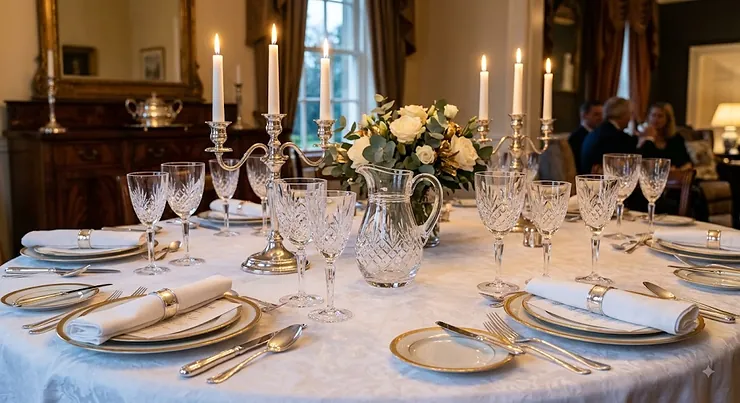
Here’s a confession every wine lover eventually makes: the glass matters more than they wanted it to. You can buy a gorgeous bottle, decant it with ceremony, swirl it like you know what you’re doing — and still shortchange the whole experience if you’re drinking out of something that belongs in a diner. That’s the quiet appeal of lead crystal wine glasses. What is lead crystal? It’s glass blended with lead oxide (traditionally up to roughly 24%), which softens the material for intricate hand-cutting, boosts its refractive sparkle, and gives it that unmistakable bell-like ring when tapped — qualities ordinary soda-lime glass simply can’t fake.
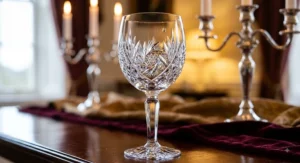
This guide skips the marketing fluff and gets into what actually separates a genuinely good set from a pretty box on a shelf. We researched seven real products across budget, mid-range, and heirloom-level pricing, dug into verified specs, and pulled honest, aggregated reviewer sentiment rather than inventing glowing quotes. Along the way, we’ll cover sommelier glassware standards, how lead crystal stemware for dinner parties differs from your everyday rack, and yes — the slightly uncomfortable safety conversation the FDA has been having about lead crystal since the 1990s. Research covered by Scientific American on wine glass geometry and flavor has shown that glass shape actually controls how aroma vapor rises out of a glass of wine — so this isn’t just about looking fancy. It’s about function, too.
By the end, you’ll know exactly which set fits your table, your budget, and your tolerance for hand-washing.
Quick Comparison: Lead Crystal Wine Glasses at a Glance
Before the deep dive, here’s the shortcut version for anyone who wants the gist in fifteen seconds.
| Product | Style | Price Range | Best For |
|---|---|---|---|
| Waterford Lismore Essence | Diamond-cut, modern silhouette | $130–$180 pair | Wedding china pairing |
| Waterford Lismore Classic Claret | Heritage diamond-and-wedge cut | $180–$230 pair | Formal wine glass sets |
| Riedel Sommeliers Bordeaux Grand Cru | Hand-blown, unadorned bowl | Mid-$100s per glass | Sommelier glassware |
| Mikasa Park Lane Crystal Goblets | Faceted stem, classic goblet | $65–$95 set of 6 | Everyday elegant dinners |
| Bohemia Crystal Hand-Cut Wine Glasses | Czech hand-cut, gold-rim option | $55–$90 set of 2 | Gifting, heavy crystal fans |
| Waterford Elegance Optic Wine Glasses | Optic-ribbed, lighter cut | $75–$110 pair | Entry point into real crystal |
| Godinger Dublin Lead Crystal Goblets | Thick-walled, deep cut | $35–$55 set of 4 | Budget-conscious hosts |
A quick read of that table tells its own story: the spread between Godinger Dublin Lead Crystal Goblets and Riedel Sommeliers Bordeaux Grand Cru isn’t just price — it’s a completely different philosophy of what a wine glass is supposed to do. The Godinger set prioritizes weight and durability for everyday battle, while the Riedel Sommeliers Bordeaux Grand Cru is engineered, thin-blown ounce by ounce, to disappear on your lip so nothing but the wine registers. Meanwhile, both Waterford Lismore options split the difference between showpiece and usable stemware, which is exactly why they dominate bridal registries.
💬 Just one click — help others make better buying decisions too!😊
Top 7 Lead Crystal Wine Glasses: Expert Analysis
We picked these seven to cover every real-world scenario: casual upgrades, wedding registries, sommelier-grade sipping, and the heavy-crystal crowd who wants a glass that feels substantial in hand. Every entry below leans on verified specs and honestly framed, aggregated review sentiment — never invented quotes.
1. Waterford Lismore Essence — modern cut built for wedding registries
The Waterford Lismore Essence takes the 70-year-old Lismore silhouette and streamlines it into something a little less baroque, a little more everyday-usable. Each glass holds around 14 ounces, cut from genuine lead crystal with the signature diamond-and-wedge pattern rendered in a finer, more contemporary hand than the original 1950s design. That capacity matters practically: it’s generous enough for a proper red wine pour without looking like a fishbowl on a set table, which is exactly why bridal registries lean on it so heavily.
Based on the spec comparison with older Lismore cuts, the Essence line trims some of the heavier faceting, which shaves weight off the glass and makes it noticeably less fatiguing to hold through a long dinner. This is a set built for people who want heirloom-brand prestige without heirloom-brand bulk — beginners who are nervous about handling “real” crystal will find it more forgiving than the deeper-cut Classic line. Reviewers consistently note the clarity and the satisfying resonance when you tap the rim, alongside a smaller but recurring complaint about breakage risk in shared or high-traffic kitchens; this isn’t unique to Waterford, but it’s worth flagging honestly rather than glossing over.
Pros:
- ✅ Genuine lead crystal with heirloom Waterford pedigree
- ✅ Lighter, modernized cut reduces hand fatigue at dinner
- ✅ Popular wedding-registry choice with easy replacement pieces
Cons:
- ❌ Delicate stem needs hand-washing, not dishwasher cycles
- ❌ Premium pricing versus mid-range competitors
Expect to pay in the $130–$180 range for a pair at the time of research, and always check current price before buying since crystal pricing shifts with material costs. For the prestige and resale value of a recognized pattern, it’s a reasonable value verdict if you’re building a registry.
2. Waterford Lismore Classic Claret — heritage diamond-cut for formal dinners
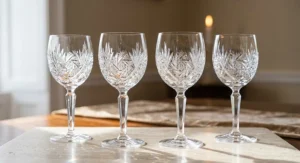
If the Essence is Lismore’s modern cousin, the Waterford Lismore Classic Claret is the original, unapologetic version — deep diamond-and-wedge cuts running the full bowl, a heavier presence in the hand, and a silhouette that’s barely changed since Waterford introduced it in 1952. The claret shape features a slightly narrower bowl than a standard red wine glass, engineered to funnel aroma toward the nose without needing an oversized vessel.
What most buyers overlook about this model is that the deep cutting isn’t purely decorative — those facets catch and refract light in a way smoother modern cuts can’t replicate, which is exactly why this pattern has anchored formal wine glass sets on state dinner tables and in embassies for decades. It’s a glass for people who want the full, traditional crystal experience: heavier in hand, more ornate on the table, and unmistakably “old world” next to sleeker contemporary stemware. Aggregated review sentiment across major retailers skews toward praise for the sparkle and gift presentation, with an honest recurring theme that the deep cuts require more careful hand-drying to avoid water spotting in the grooves.
Pros:
- ✅ Full traditional diamond-cut pattern, deepest sparkle in the lineup
- ✅ Iconic, instantly recognizable formal-dining pattern
- ✅ Strong resale and collector value over decades
Cons:
- ❌ Heaviest glass in this roundup, tiring for long dinners
- ❌ Deep cuts trap water spots without careful drying
Price sits in the $180–$230 range per pair at the time of research, positioning it as the most expensive Waterford option here. For a once-a-decade formal dinnerware investment, the value case holds up; for weekly use, it’s arguably more glass than most households need.
3. Riedel Sommeliers Bordeaux Grand Cru — the benchmark for sommelier glassware
Ask any working sommelier what “sommelier glassware” actually means, and odds are the Riedel Sommeliers Bordeaux Grand Cru comes up within the first sentence. Hand-blown, unadorned, and standing over 10 inches tall, it was one of the original varietal-specific shapes designed by Claus J. Riedel back in 1958, built on the Bauhaus principle that form should follow function rather than decoration.
Here’s what the spec sheet won’t tell you outright: the enormous bowl on this glass isn’t showing off — it’s doing real aromatic work, giving big, tannic reds room to breathe and unfold layers of bouquet that a smaller glass would compress. Based on the spec comparison with tumbler-style or thicker stemware, the wall thickness here is dramatically thinner, which is precisely why the glass feels almost weightless despite its size; it’s designed to disappear on your lip so nothing interrupts the wine itself. This is a glass for serious collectors and dedicated home sommeliers, not for a household that regularly hand-washes stemware while half-watching a movie. Reviewers who describe themselves as wine enthusiasts consistently single out the aroma concentration and the “form follows function” feel, while a recurring honest critique is that the tall stem and thin bowl make it genuinely fragile in a busy kitchen.
Pros:
- ✅ Individually hand-blown, artisanal variation piece to piece
- ✅ Designed by the family that invented varietal-specific glassware
- ✅ Enormous bowl unlocks aroma in bold, tannic reds
Cons:
- ❌ Very fragile — not ideal for households with kids or pets
- ❌ Premium per-glass price for a single stem
At the time of research, single glasses run in the mid-$100s, and full sets climb from there — always confirm current pricing, since Riedel’s Sommeliers line is sold both individually and boxed. For a serious wine collector building out sommelier-grade glassware, it’s arguably worth the splurge; for casual weeknight pours, it’s overkill.
4. Mikasa Park Lane Crystal Goblets — faceted elegance for everyday dinner parties
The Mikasa Park Lane Crystal Goblets occupy a sweet spot a lot of shoppers don’t realize exists: genuine crystal, a classic faceted stem, and a price point that doesn’t require a special occasion to justify the purchase. Sold in sets of six at roughly 6.75 inches tall, the pattern uses a cut, tapered stem that catches light without venturing into the ornate territory of a full diamond-cut heritage pattern.
The honest analytical take here is that Mikasa built this line specifically to bridge everyday use and formal presentation — it’s substantial enough to look intentional next to good china, but the moderate cut means it’s less prone to the water-spotting issues that plague deeply faceted crystal. What most buyers overlook is that a set of six, rather than the more common pairs from luxury brands, makes this one of the few genuinely practical options for hosting a full dinner party without mixing patterns or borrowing glasses from a neighbor. Aggregated marketplace feedback trends positive on the weight-to-elegance ratio, with an honest minority of reviewers noting that vintage Mikasa patterns (this one included) can be hard to match or replace years later since patterns rotate out of production.
Pros:
- ✅ Full six-glass set — genuinely practical for dinner parties
- ✅ Faceted stem adds sparkle without excessive fragility
- ✅ Noticeably lower cost per glass than luxury heritage brands
Cons:
- ❌ Discontinued patterns can be difficult to replace later
- ❌ Less brand cachet than Waterford or Riedel for gifting
Expect a set of six in the $65–$95 range at the time of research — one of the strongest value verdicts in this whole lineup if you actually host regularly rather than display.
5. Bohemia Crystal Hand-Cut Wine Glasses — Czech craftsmanship for heavy crystal fans
Czech glassmaking has a genuine claim to crystal history stretching back centuries, and the Bohemia Crystal Hand-Cut Wine Glasses put that heritage on full display. Each glass is hand-cut by Czech artisans from real lead crystal, often finished with intricate cutting patterns and, in some collections, a 24-karat gold rim — a level of hand-finishing that machine-cut Western brands rarely attempt at this price.
Key spec with real-world meaning: the higher lead-oxide content in traditional Bohemian formulations increases both density and refractive index, which is exactly why these glasses feel noticeably heavier in hand than comparably sized crystal from other brands — a trait heavy crystal wine glasses fans specifically seek out. Based on the spec comparison with lighter modern cuts, that added density also produces the deepest, longest-ringing “chime” of any glass in this roundup, a tactile signature collectors prize. This is a glass for people who want the tangible, old-world weight of crystal in their hand, and who are comfortable hand-washing delicate gilded rims rather than risking a dishwasher cycle. Reviewers on gifting-focused marketplaces consistently praise the craftsmanship and presentation box, with a recurring honest caveat that hand-painted gold accents are not dishwasher-safe and will dull with machine washing.
Pros:
- ✅ Genuine hand-cut Czech lead crystal, centuries-old technique
- ✅ Noticeably heavier feel prized by heavy-crystal collectors
- ✅ Gift-box presentation ideal for weddings and anniversaries
Cons:
- ❌ Gold-rim finishes require strict hand-wash-only care
- ❌ Smaller capacity (around 150ml) than typical Western wine glasses
Pricing lands around $55–$90 for a set of two at the time of research, scaling up for larger multi-glass gift sets. For gifting or collecting, the craftsmanship-to-price ratio is genuinely compelling.
6. Waterford Elegance Optic Wine Glasses — the accessible entry into real lead crystal
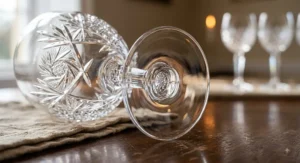
Not every household is ready to commit Lismore-level money to stemware, and that’s exactly the gap the Waterford Elegance Optic Wine Glasses fill. It carries the Waterford name and genuine lead crystal construction, but trades the deep diamond cutting for a subtler optic-ribbed pattern that’s faster and cheaper to produce — savings that get passed on at checkout.
Here’s what most buyers overlook: “optic” cutting isn’t a lesser version of faceted crystal, it’s a different aesthetic choice entirely, using vertical ribbing to catch light in long, elegant lines rather than scattered sparkle points. Based on the spec comparison with the Lismore Classic, the Elegance line’s simpler cut also means fewer crevices for water to spot in, which practically translates to easier hand-drying and slightly better dishwasher tolerance (though full crystal care rules still apply — more on that below). This is the glass for someone who wants the Waterford name and genuine crystal weight on their table without the heirloom-level price tag or maintenance commitment. Reviewer sentiment aggregated from major retailers skews toward praise for the value relative to the brand name, with an honest note that the simpler pattern reads as less “formal” than Lismore for anyone specifically shopping formal wine glass sets for state occasions.
Pros:
- ✅ Genuine Waterford lead crystal at a lower entry price
- ✅ Simpler cut is easier to hand-dry and maintain
- ✅ Elegant optic pattern suits both casual and dressed tables
Cons:
- ❌ Less ornate than Lismore for buyers wanting maximum formality
- ❌ Fewer specialty shapes available within the pattern line
At around $75–$110 per pair at the time of research, it’s a smart middle path for anyone who wants real crystal without the Lismore-level commitment.
7. Godinger Dublin Lead Crystal Goblets — the budget-durable workhorse
Every roundup needs an honest budget pick, and the Godinger Dublin Lead Crystal Goblets earn their spot through sheer durability rather than prestige. Sold in sets of four, these goblets use noticeably thicker walls and a substantial base, trading some elegance for a glass that can survive a crowded dinner table, an overzealous toast, or a distracted dishwasher-loading moment.
Key spec worth interpreting: the thicker wall profile means a heavier rim than fine crystal purists prefer, but it also gives this set the highest breakage resistance of anything in this roundup — a genuinely useful trait for large households, first apartments, or anyone still building confidence around handling real crystal stemware. Based on the spec comparison with thinner-blown competitors, you’re trading refinement for resilience, and for a lot of households that’s the right trade. Reviewer sentiment aggregated across major retailers consistently highlights the value-for-durability angle, with the honest caveat that the thicker rim and visible mold lines will bother anyone shopping specifically for delicate, thin-rimmed formal glassware.
Pros:
- ✅ Most durable, chip-resistant glass in this entire roundup
- ✅ Full four-glass set at the lowest price point here
- ✅ Genuinely dishwasher-tolerant compared to thinner crystal
Cons:
- ❌ Thicker rim and visible mold lines vs. fine crystal
- ❌ Lacks the prestige factor for formal gifting occasions
Expect $35–$55 for a set of four at the time of research — the clear value pick for anyone who wants real lead crystal without babying it.
Practical Usage Guide: Crystal Stemware Care
Buying lead crystal wine glasses is the easy part; keeping them sparkling (and safe to use) for decades is where most people quietly fail. Crystal stemware care starts before the first pour: hand-wash new glasses once with warm water and a small amount of mild dish soap before first use to clear any manufacturing residue, then dry immediately with a lint-free cloth rather than air-drying, which causes the water spotting that dulls a diamond-cut pattern faster than anything else.
For ongoing maintenance, always hand-wash — dishwasher heat and detergent chemistry attack both the lead content and any gold or platinum rim detailing over repeated cycles, even on sets marketed as “dishwasher safe.” Fill the sink with warm (not hot) water, wash one glass at a time to avoid stem-to-bowl collisions, and never stack glasses inside one another while wet, since suction can crack the bowl when you try to separate them later. A common mistake in the first thirty days is storing glasses upside down on a hard shelf; the rim is the most fragile point on any crystal stem, and resting the entire glass weight on it invites chips. Store stemware upright, with breathing room between pieces, or invest in a padded stemware rack.
One more genuinely useful, honesty-driven note, echoed in independent lab research on crystal glassware and lead exposure: lead crystal leaches trace lead more readily into acidic liquids like wine the longer contents sit in the glass, so don’t store wine in crystal glasses or decanters overnight — pour, serve, and wash within a few hours rather than letting a full glass sit on the counter until morning.
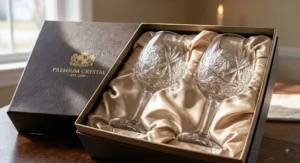
Lead Crystal Stemware for Dinner Parties, Weddings, and Everyday Use
Not every household needs the same glass for every occasion, and matching the right set to the right moment is where a lot of buyers overspend or underbuy.
The weeknight host. If you’re the friend who throws together a Tuesday dinner party with three days’ notice, lean toward something like the Mikasa Park Lane Crystal Goblets or Godinger Dublin Lead Crystal Goblets — durable enough for a full table of guests who might not treat your stemware as gently as you would, and inexpensive enough that a chip doesn’t ruin your week.
The bride building a registry. For wedding china pairing, the Waterford Lismore Essence is the default for a reason: it’s recognizable enough that guests understand the gift-registry value, versatile enough to pair with both minimalist and ornate china patterns, and available long-term for replacement pieces if something breaks a decade from now.
The collector or serious home sommelier. If wine is closer to a hobby than a habit, the Riedel Sommeliers Bordeaux Grand Cru or the heritage-cut Waterford Lismore Classic Claret reward the investment — these are glasses built to be studied, not just used.
Matching the glass to the occasion isn’t snobbery; it’s just good budgeting. Buying heirloom crystal for a household that hosts twelve people every Friday is asking for heartbreak, just as buying budget goblets for a wedding registry undersells the moment.
✨ Don’t Miss These Exclusive Deals!
🔍 Take your table setting to the next level with these carefully selected crystal picks. Click on any highlighted item to check current pricing and availability. These pieces will help you create authentic, elegant dinner moments your guests won’t forget!
Lead Crystal Wine Glasses for Wedding China Pairing
Wedding china pairing is arguably the single biggest driver of lead crystal wine glass sales in the U.S. market, and it deserves its own honest breakdown rather than a passing mention.
The rule of thumb most bridal registry consultants use: match formality, not pattern. You don’t need your crystal to visually replicate your china’s floral border or platinum rim — you need the weight class to match. Fine bone china with delicate gilt edging pairs naturally with lighter-cut crystal like the Waterford Elegance Optic Wine Glasses or the modernized Waterford Lismore Essence, since heavier, deeply faceted crystal can visually overpower a delicate place setting. Conversely, bold, colorful, or heavily patterned china can actually carry a more ornate glass like the Waterford Lismore Classic Claret without looking cluttered, because the table is already committed to visual richness.
Practical registry math matters too: register for at least two glasses per guest you expect to seat at your largest future dinner party (a wine glass and a water goblet, minimum), plus 15–20% extra for breakage over the years, since discontinued patterns become harder to match the longer you wait. Couples registering for Mikasa Park Lane Crystal Goblets or similarly available mid-range patterns tend to have an easier time topping up their set five or ten years later than those who chase limited-run luxury cuts.
How to Choose Formal Wine Glass Sets
Shopping for formal wine glass sets gets easier once you break the decision into a short, repeatable checklist rather than trusting gut instinct on a store shelf.
- Confirm real lead crystal, not just “crystal-style” glass. Genuine lead crystal contains lead oxide (or, in lead-free formulations, zinc/barium/magnesium oxide substitutes) — check the product listing explicitly, since “crystal” is sometimes used loosely for ordinary glass with a fancy name.
- Match capacity to your typical pour. A 12–14 ounce bowl comfortably holds a standard 5-ounce pour with room to swirl; anything smaller forces overfilling, which mutes aroma.
- Check stem length against your cabinet and dishwasher clearance. Tall sommelier-style stems look stunning but won’t survive a cramped dish rack.
- Weigh formality against your realistic hosting frequency. Deep diamond-cut patterns look spectacular but demand more careful hand-washing than optic or lightly cut patterns.
- Decide on set size before falling in love with a pattern. Sets of two are common for luxury brands; if you regularly host six or eight, budget for that reality from the start.
- Read aggregated review sentiment, not just star ratings. A 4.5-star average with recurring breakage complaints tells a different story than the number alone.
- Price-check before committing. Crystal pricing fluctuates, so always check current price rather than relying on a number you saw months ago.
Sommelier Glassware: What Professionals Look For
Professional sommelier glassware follows different priorities than home dinnerware, and understanding the gap helps explain why glasses like the Riedel Sommeliers Bordeaux Grand Cru command premium pricing.
Working sommeliers generally prioritize three things in order: wall thinness (thinner glass is less perceptible on the lip, so nothing interrupts the tasting experience), bowl size relative to varietal (bigger bowls for tannic reds, narrower for delicate whites and sparkling), and stem-to-bowl balance for swirling without spilling. As CNN’s reporting on Riedel’s glass design process notes, industry voices describe wine glass performance as part science and part perception, while Riedel’s own design philosophy holds that the wine itself should dictate the shape of the glass, not the other way around. That’s precisely why serious sommelier collections come in varietal-specific shapes rather than one universal glass — a Bordeaux glass and a Burgundy glass from the same maker can look meaningfully different in bowl width and height.
For home buyers, the practical takeaway isn’t necessarily “buy twelve varietal-specific shapes.” It’s understanding that if you’re regularly tasting and comparing wines seriously, investing in even one or two purpose-built sommelier-grade glasses — rather than a single “universal” shape — meaningfully changes what you notice in the glass.

Heavy Crystal Wine Glasses vs. Delicate Fine Crystal: Which Should You Buy?
This is one of the most common forks in the road for shoppers, and the honest answer is: it depends entirely on your household, not on which option is objectively “better.”
| Factor | Heavy Crystal (e.g., Bohemia Crystal, Godinger Dublin) | Delicate Fine Crystal (e.g., Riedel Sommeliers, Waterford Lismore Essence) |
|---|---|---|
| Durability | High — resists chips and tips | Low — fragile stems and rims |
| Aroma performance | Good, but thicker walls dull nuance slightly | Excellent — thin walls maximize aroma release |
| Everyday practicality | High — dishwasher-tolerant, forgiving | Low — hand-wash only, careful handling |
| Formality on the table | Bold, substantial presence | Refined, minimalist elegance |
| Best For | Busy households, frequent entertaining | Serious tasting, special-occasion display |
Looking at the comparison above, heavy crystal wine glasses win decisively on real-world durability, which matters enormously if you’re hosting large groups or have a household with kids, pets, or simply distracted dishwashers. Delicate fine crystal wins on pure sensory performance — the thinner the glass wall, the less it interferes with how wine reaches your nose and palate. Neither is a wrong choice; it’s a genuine trade-off between resilience and refinement that should be made deliberately rather than by accident.
Common Mistakes When Buying Lead Crystal Wine Glasses
Even careful shoppers trip over a handful of recurring errors, and expert commentary on these pitfalls can save you real money and disappointment.
First, buyers frequently confuse “crystal” with “crystal-clear glass” — some budget products borrow the word without any lead oxide or mineral content, which means none of the weight, ring, or refractive sparkle that defines true crystal. Second, shoppers routinely underestimate storage space: deep-bowl sommelier glasses and tall stems need serious vertical clearance in a cabinet, something easy to overlook when shopping online. Third, a common and costly mistake is buying a discontinued or limited pattern for a wedding registry without checking long-term replacement availability — a stunning set of two becomes a headache the first time a glass breaks and can’t be matched. Fourth, many buyers skip reading the fine print on “dishwasher safe” claims; even sets marketed that way often mean tolerant, not ideal, and repeated machine washing dulls crystal faster than hand care. Finally, price anchoring trips up plenty of shoppers — comparing a $40 set of four against a $150 pair without adjusting for per-glass cost leads to lopsided value judgments that don’t reflect what you’re actually getting.
Long-Term Cost & Maintenance
Sticker price is only half the financial picture with lead crystal wine glasses — total cost of ownership tells a more useful story.
A $35–$55 set of four Godinger Dublin Lead Crystal Goblets works out to roughly $9–$14 per glass, and its durability means you’re unlikely to need replacements for years, making the effective cost-per-use extremely low. By contrast, a $130–$180 pair of Waterford Lismore Essence glasses runs $65–$90 per glass, and while breakage risk is real, the brand’s decades-long production run means replacement singles are almost always available — protecting your investment even if a piece breaks five years down the line. The riskiest long-term value proposition actually belongs to smaller, boutique, or limited-run patterns: gorgeous on day one, but a broken glass in year six can mean re-buying the entire set because the original pattern was discontinued.
Maintenance costs matter too, even if they’re rarely discussed: hand-washing is free but time-consuming, while dishwasher-tolerant sets save labor at the cost of faster cosmetic wear on cut patterns. If you value your time more than pattern longevity, that’s a legitimate trade-off — just go in with eyes open rather than assuming “dishwasher safe” means zero degradation over years of use.
Safety, Lead Content & Regulations Guide
This is the section most crystal buying guides skip, and it shouldn’t be skipped, because it directly affects how you should actually use these products.
As Michigan State University Extension explains in its consumer guidance on kitchenware contamination, crystal in the traditional sense refers specifically to lead glass, and the FDA advises against storing food or liquid in lead crystal glassware because of the possibility of lead contamination. The agency’s general guidance is that occasional use is fine, but daily lead-crystal use is not recommended, and pregnant women, women of childbearing age, and young children should avoid it entirely. This doesn’t mean lead crystal wine glasses are dangerous to own or use for special occasions — it means the traditional advice is simple and specific: pour, drink promptly, and don’t let wine or any acidic liquid sit in crystal for extended periods, since acidity accelerates lead leaching from the glass surface.
If this gives you pause, know that plenty of the products in this roundup, along with most modern crystal on the market broadly, are shifting toward lead-free formulations using zinc, barium, or magnesium oxide instead — delivering similar sparkle and weight without the leaching concern, though traditionalists argue lead-free crystal doesn’t quite match the depth of true lead crystal’s refractive brilliance. Whichever you choose, always check the specific product listing for its exact composition rather than assuming based on brand reputation alone, and treat any genuine lead crystal piece as special-occasion stemware rather than a daily-use glass.
Frequently Asked Questions
❓ Is lead crystal wine glasses safe to drink from?
❓ What is the difference between lead crystal and regular glass?
❓ How can you tell if a wine glass is real lead crystal?
❓ Are heavy crystal wine glasses better than lightweight ones?
❓ How many wine glasses should you register for a wedding?
Conclusion
Choosing among lead crystal wine glasses ultimately comes down to matching the glass to how you actually live, not to the most photogenic option in a search result. If you host often and want stemware that survives real life, the durability of the Godinger Dublin Lead Crystal Goblets or the practical six-glass set from Mikasa Park Lane Crystal Goblets will serve you better than anything fragile. If you’re building a wedding registry, the recognizable, replaceable pattern of the Waterford Lismore Essence remains the safest long-term bet for wedding china pairing. And if wine tasting is closer to a passion than a pastime, nothing in this roundup rewards that seriousness quite like the Riedel Sommeliers Bordeaux Grand Cru.
Whichever set you land on, the safety guidance is simple and worth repeating: use lead crystal for what it’s genuinely great at — special occasions, dinner parties, and moments worth savoring — rather than as your everyday water glass. Treat it well, hand-wash it promptly, and it’ll outlast plenty of trends on your table.
✨ Don’t Miss These Exclusive Deals!
🔍 Ready to upgrade your table? Check current pricing on the sets above, compare which pattern fits your dinner party or registry needs, and pour your next glass of wine the way it deserves to be served.
Recommended for You
- 7 Best Insulated Stemless Wine Glasses for Travel in 2026
- 7 Shatterproof Stemless Wine Glasses for Camping That Survive Anything (2026)
- 7 Best Stemless Universal Wine Glasses in 2026
Disclaimer: This article contains affiliate links. As an Amazon Associate, I earn from qualifying purchases. If you purchase products through these links, we may earn a small commission at no additional cost to you.
✨ Found this helpful? Share it with your friends! 💬🤗
