
In This Article
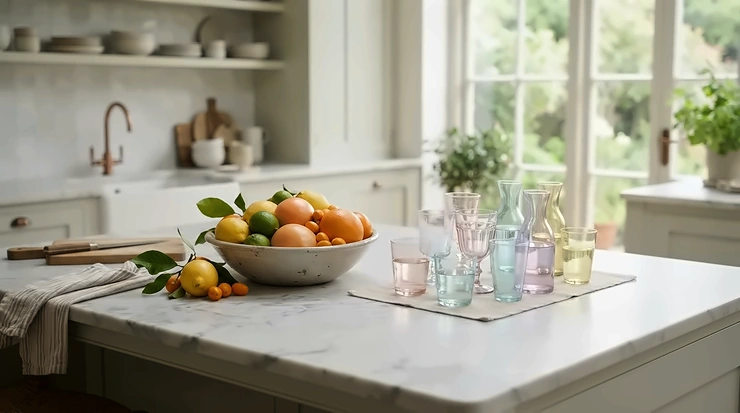
Vintage style wine glasses for grandmillennial decor are modern or reproduction stemware that borrow the colors, embossed patterns, and footed silhouettes of mid-century and Depression-era glassware. They pair those details with the layered, nostalgic look of grandmillennial interiors. You get the heirloom feel without the thrift-store gamble on lead, chips, or mismatched sets. 🍷
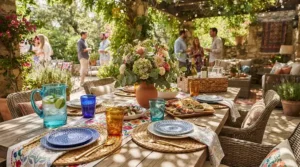
Picture a table set with a floral cloth, a scalloped-edge plate, and a row of plum, turquoise and amber goblets catching the late light. Nobody would call that table minimalist. It looks like someone’s favorite aunt hosts there, and her dinners are legendary. That is the whole appeal.
The look sits inside a bigger design shift. Grandmillennial style takes old-fashioned ingredients like chintz, needlepoint and pleated lampshades and recreates them with contemporary color. The result feels cozy and a little kitschy, but still current. Glassware is the easiest way into that world. It costs less than a sofa and needs no commitment, and it sits right at eye level when guests sit down.
This guide covers seven real, researched options from budget to premium. It also explains how to choose them, which patterns collectors chase, where the safety traps are, and how to style the whole thing. Based on the spec comparison and the reporting I dug through, the best choice depends less on price than on how you plan to use the glass.
Quick Comparison Table: 7 Vintage Style Wine Glasses at a Glance
Here is the short version before the deep dive. Prices are ranges at the time of research and may vary, so check current price before you buy.
| Product | Type & Capacity | Color Story | Price Range | Best For |
|---|---|---|---|---|
| The Pioneer Woman Adeline Footed Goblets | Footed goblet, 12 oz, set of 4 | Muted plum, turquoise, clear | Under $20 | The Pioneer Woman Adeline Footed Goblets suit first-timers on a budget |
| JoyJolt Hue Stemless Wine Glasses | Stemless, 15 oz, set of 6 | Six bright colors | High-$20s to mid-$30s | JoyJolt Hue Stemless Wine Glasses suit casual everyday use |
| Libbey Teardrop Juniper Green Goblets | Vintage goblet, about 7 in. tall | Juniper green | Roughly $20-$30 per set (resale) | Libbey Teardrop Juniper Green Goblets suit display and occasional use |
| Bormioli Rocco Romantic Stemware | Stemmed, 10.75 oz, set of 4 | Pastel green, light blue, cotton candy pink | Roughly $30-$45 | Bormioli Rocco Romantic Stemware suits Victorian-leaning tables |
| La Rochère Lyonnais Wine Glasses | Stemmed, 8 oz, set of 6 | Clear, gray, other tints | Roughly $55-$70 | La Rochère Lyonnais Wine Glasses suit bistro-style daily use |
| LSA Gems Colored Stemware | Stemmed, sets of 4 | Color families (blues, berry, amber) | Check current price | LSA Gems Colored Stemware suits coordinated color schemes |
| Estelle Colored Wine Stemware | Hand-blown, 16.5 oz | Many jewel tones | Roughly $180-$200 per set of 6 | Estelle Colored Wine Stemware suits heirloom-minded hosts |
The pattern across this table is clear. Budget picks like The Pioneer Woman Adeline Footed Goblets and JoyJolt Hue Stemless Wine Glasses give you color first and authenticity second. The mid-range Bormioli Rocco Romantic Stemware and La Rochère Lyonnais Wine Glasses deliver real pattern work. Estelle Colored Wine Stemware is where you pay for hand-blown craft. If you want the grandmillennial look on a tight budget, start left and move right only for the pieces guests will actually hold.
💬 Just one click — help others make better buying decisions too!😊
Top 7 Vintage Style Wine Glasses for Grandmillennial Decor: Expert Analysis
Every entry below follows the same logic. First what stands out, then what the specs mean in practice, then who should buy it. Review sentiment is summarized only where I could verify it. Where I couldn’t, I say so.
1. The Pioneer Woman Adeline Footed Goblets — best entry-level antique motifs
The standout here is surface detail. These 12-ounce goblets carry antique-style motifs on both the bowl and the stem, which is the exact visual shorthand that reads as “inherited” on a dinner table. They come in a muted plum, a bright turquoise and clear glass.
A 12-ounce footed goblet is a flexible size. It handles a generous wine pour, a water refill or a summer spritz, so one set does several jobs. The muted plum is the sleeper pick. It sits comfortably next to gold-rimmed china and floral linens without looking like a party store.
This is a Walmart-line product, and at the time of research it was sold mainly there, so check availability before you commit. Press coverage noted reviewers praising the vintage look and how well the colors pair with inherited china. I could not verify a larger sample of review data beyond that.
Pros:
- ✅ Antique motifs on both bowl and stem
- ✅ Plum and turquoise read as true vintage tones
- ✅ Versatile 12-ounce size for wine or water
Cons:
- ❌ Availability varies outside its main retailer
- ❌ Fewer color choices than boutique lines
Under $20 for a set of four, it is the lowest-risk way to test the look. Verdict: excellent value for a trial run.
2. JoyJolt Hue Stemless Wine Glasses — best bright-color everyday workhorse
What sets this set apart is the rainbow. The Hue set (model JG10260) comes with six colors in one box: green, yellow, purple, blue, pink and red. That makes it the easiest route to a mixed-and-matched, eclectic table in a single purchase.
The glasses hold 15 ounces and are lead-free per the manufacturer. Retail listings describe walls around one-eighth of an inch thick. In practice, that thickness means they are forgiving of dishwasher racks and clumsy hosts, which matters more than any romantic story about patina.
The tradeoff is style. A stemless tumbler is a modern shape, so the grandmillennial effect comes from the color and not from the silhouette. Pair them with a lace runner or a mismatched plate stack and the look comes together. On their own, they read as cheerful rather than antique.
Review sentiment: I found review counts on retail listings but could not verify representative review text, so I am not summarizing it here.
Pros:
- ✅ Six colors in a single set
- ✅ Thick, lead-free glass built for daily use
- ✅ Generous 15-ounce capacity
Cons:
- ❌ Stemless shape feels more modern than vintage
- ❌ Saturated colors can look playful rather than antique
The high-$20s to mid-$30s range for six makes it strong value for casual hosts.
3. Libbey Teardrop Juniper Green Goblets — the real-vintage benchmark
This one is different from everything else on the list. These are vintage Libbey goblets in juniper green, standing roughly seven inches tall, and they circulate on the secondhand market in sets of six. They are included because they show what the “real” thing costs and looks like, and they are a useful yardstick for the reproductions above.
The deep green with a teardrop-shaped stem hits the grandmillennial note precisely. Green is one of the most-requested colors in vintage glassware, and juniper is the dark, forest-leaning version that disappears into dark wood and brass.
Here is the catch. Vintage means no guarantees about composition. I could not verify what these specific pieces contain, and older colored glass sometimes uses heavy-metal colorants. Use them as display pieces or for occasional pours unless you test them. See the safety section below.
There are no verifiable new-product reviews for secondhand listings, so condition notes from each seller are your only evidence.
Pros:
- ✅ Authentic vintage character at a low price
- ✅ Tall goblet profile photographs beautifully
- ✅ Deep green pairs with wood and brass
Cons:
- ❌ Composition unknown without testing
- ❌ One-off availability, no easy replacements
Resale sets run roughly $20-$30 plus shipping. Verdict: great for display, cautious for drinking.
4. Bormioli Rocco Romantic Stemware — best Victorian-inspired embossing
The standout is the embossed, Victorian-inspired pattern, which gives each glass a grip and a pressed-glass look that mimics the old thing convincingly. The 10.75-ounce stemmed glasses come in sets of four in colors like pastel green, light blue and cotton candy pink, plus clear.
Retailers describe the color as applied externally with an organic lacquer that is food and drink safe. That is worth understanding. The tint is on the outside, so it will not tint the wine, but a surface finish is also more vulnerable to wear than color melted into the glass. Hand washing is a sensible hedge even though listings call the set dishwasher safe.
The stem gives it a real wine-glass silhouette, which is why it does more grandmillennial work than a tumbler. In pastels, it sits well with chintz, floral wallpaper and scalloped edges.
Review sentiment: retailer pages show large review counts for the Romantic line, but I could not verify what the stemware reviews say specifically.
Pros:
- ✅ Victorian-inspired embossing adds texture and grip
- ✅ True stemmed silhouette
- ✅ Soft pastel palette suits floral rooms
Cons:
- ❌ Exterior color may wear with rough handling
- ❌ Pastels only, no jewel tones
Roughly $30-$45 for four makes this a solid mid-range choice with real pattern.
5. La Rochère Lyonnais Wine Glasses — best old-world bistro pattern
This is the pick with an actual pedigree. La Rochère is a French glassmaker that retailers describe as the oldest continuously running glass factory in Europe, and the Lyonnais pattern is a modern take on a nineteenth-century design inspired by a Florentine Renaissance almond motif.
At 8 ounces and about 6.5 inches tall, the glasses are small by modern standards. That is a feature if you serve European-style pours or want tidy, bistro-sized glasses, and a drawback if you want a big goblet of red. The pressed-glass, thick-walled build is made for daily service, and retailers list the glasses as dishwasher safe. Avoid sudden temperature changes, as the maker advises.
The raised interlacing pattern does the vintage work without any color at all, though gray and tinted versions exist. Most US listings I found lean clear and gray, so check the color before you order if you want pink or amber.
I found no verifiable review text for this product.
Pros:
- ✅ Authentic historic pattern from a heritage maker
- ✅ Sturdy pressed glass for daily use
- ✅ Raised texture catches candlelight
Cons:
- ❌ Small 8-ounce pour
- ❌ Color options vary by retailer
Roughly $55-$70 for six. Verdict: best long-term value for people who will use them weekly.
6. LSA Gems Colored Stemware — best for coordinated color families
The distinctive idea here is the grouping. LSA sells Gems stemware in sets of four organized by color family, such as four shades of blue, berry or amber. That solves the biggest problem with mixed colored glassware: choosing colors that look deliberate rather than accidental.
I could not verify exact capacity, dimensions, or pricing for this line, so confirm those on the listing before you buy. What the trade press reported is the concept, and the concept is strong. A tonal set gives you the eclectic effect with built-in restraint, which suits people who love grandmillennial style but are nervous about chaos.
In practice, a blue-family set on a white tablecloth looks curated. An amber set on dark wood looks like a mid-century dining room. Both are easier to style than a rainbow.
Review sentiment is unverified for this specific line.
Pros:
- ✅ Tonal color families look intentional
- ✅ Sold as coordinated sets of four
- ✅ Works with both modern and traditional rooms
Cons:
- ❌ Specs need checking before purchase
- ❌ Less overtly “antique” than embossed patterns
Check current price. Verdict: smart for anyone who wants color without guesswork.
7. Estelle Colored Wine Stemware — best hand-blown heirloom splurge
This is the line most often credited with restarting the modern colored-glass craze. The glasses are hand-blown by artisans in Poland, stand 9.5 inches tall, hold 16.5 ounces, and come in a long list of colors that includes amethyst, emerald green, blush pink, cobalt blue and amber smoke. The brand states they are lead, cadmium and BPA-free, which is reassuring for a vintage-look glass.
The founder named the collection for her grandmother, a treasure hunter who loved finding beautiful things for the kitchen. That backstory is almost too on-brand for this topic, and it explains why these glasses feel more like jewelry than tableware.
The cost is real, and so is the care. Hand wash only. A set of six stemmed glasses runs roughly $180-$200, and single stemless replacements are available at a much lower price, which lets you build a collection gradually.
Retailer pages I checked showed no verified review text, so I am not summarizing reviewer sentiment.
Pros:
- ✅ Hand-blown craftsmanship in rich jewel tones
- ✅ Large 16.5-ounce bowl and elegant height
- ✅ Replacement singles let you grow a set slowly
Cons:
- ❌ Premium price per glass
- ❌ Hand wash only
Verdict: worth it if the glasses are the centerpiece of your table, not an everyday afterthought.
Price Range & Value Analysis
Here is how the seven compare on approximate cost per glass and upkeep, derived from the ranges above.
| Product | Approx. Cost per Glass | Care Level | Best For |
|---|---|---|---|
| The Pioneer Woman Adeline Footed Goblets | Under about $5 | Low | Budget starters |
| JoyJolt Hue Stemless Wine Glasses | Roughly $5-$6 | Low | Busy households |
| Libbey Teardrop Juniper Green Goblets | Roughly $3-$5 plus shipping | Medium (test first) | Display shelves |
| Bormioli Rocco Romantic Stemware | Roughly $7-$11 | Medium | Pastel table settings |
| La Rochère Lyonnais Wine Glasses | Roughly $9-$12 | Low | Weekly entertaining |
| LSA Gems Colored Stemware | Check current price | Medium | Tonal color schemes |
| Estelle Colored Wine Stemware | Roughly $30-$33 | High (hand wash) | Heirloom-style hosting |
Notice the gap between the first five rows and the last. Estelle Colored Wine Stemware costs roughly six times as much per glass as JoyJolt Hue Stemless Wine Glasses. That difference buys hand-blown construction and a longer color range, not extra drinkability, so it makes sense only if you value the object itself. For most people, La Rochère Lyonnais Wine Glasses hit the sweet spot, because heritage pattern plus dishwasher durability means the cost-per-use drops quickly.
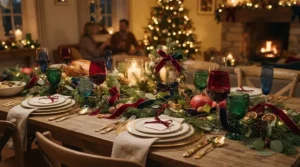
Grandmillennial Style: Why Wine Glasses Do the Heavy Lifting
Grandmillennial style is a blend of nostalgia and curation. The term is credited to writer Emma Bazilian, who described people in their mid-twenties to late thirties drawn to design trends the mainstream calls stuffy, like ruffles and embroidered linens. A designer quoted in coverage called it “new traditionalist.” That label fits, because the goal is not a museum. It is a room that feels layered and personal.
Glassware matters here because it is the one category that works at every price. A wallpaper commitment costs thousands. A set of colored goblets costs the price of dinner. You can test grandmillennial style at the table before you ever touch the walls.
There is also a design logic to it. The look depends on contrast: old shapes in fresh colors, florals next to stripes, dark wood beside pastel glass. Vintage style wine glasses for grandmillennial decor deliver that contrast in small doses. A footed goblet in plum on a pleated-napkin table says more about a home’s personality than any throw pillow.
Pinterest’s grandmillennial boards lean toward pink, green and blue, which maps neatly onto the pastel and jewel tones in this guide. Start there, and expand into amber or plum once you are comfortable.
How to Choose Vintage Style Wine Glasses for Grandmillennial Decor
Use these six steps in order. They are built to save you from the most common regrets.
- Decide how you will use them. Daily glasses need dishwasher-safe construction and thick walls. Occasional glasses can be delicate. This single question eliminates half the field.
- Pick a silhouette first, then a color. Stemmed or footed glasses read as vintage faster than stemless ones. Color is easy to adjust later, shape is not.
- Match the palette to what you already own. Plum, sage and amber blend with floral china. Cobalt and turquoise add contrast. Check the undertone against your tablecloths.
- Check the safety claims. For new glasses, look for lead-free statements from the maker. For secondhand glass, assume nothing and read the safety section below.
- Verify care instructions. Hand-blown and exterior-lacquered pieces last longer with hand washing, even when listings say otherwise.
- Plan for replacements. Brands that sell singles, like Estelle, let you replace a breakage without rebuying a set. Sets that are discontinued leave you with an odd number.
Colored Vintage Wine Glasses for Eclectic Decor
Colored vintage wine glasses for eclectic decor work on a different principle than a matched set. The goal is controlled variety. Think of it like a jazz ensemble: different instruments, one tune.
The simplest rule is a shared anchor. Pick one element that every glass has in common, such as the same height, the same stem style or the same tonal family, and let color vary. JoyJolt Hue Stemless Wine Glasses hand you variety in a single box, which makes them a natural fit. If you want a calmer version, LSA Gems Colored Stemware keeps the variation inside one color family.
Mixing eras is the other trick. A vintage green goblet like the Libbey Teardrop Juniper Green Goblets beside a modern Bormioli Rocco Romantic Stemware pastel creates a conversation across decades. Designers quoted in decor press describe buying glassware by color and style rather than maker, which gives you permission to mix freely.
Keep one neutral in the lineup, usually clear glass, so the colors read as accents and not as noise.
The Colored Glassware Trend: What Is Real and What Is Hype
The colored glassware trend is not a fad that appeared overnight. Colored glass has roots in the 1930s, and the modern revival is widely credited to Estelle Colored Glass. Trade coverage from a January 2025 gift show reported color as the defining feature of the glassware category, with delicate pastel pinks, blues and mint alongside heavier ribbed and etched styles.
Retailers have followed. A UK home-decor outlet reported IKEA adding two-toned glasses with colored stems and clear bowls to its TJÄRLEK range, framed as part of a broader shift toward bold color that Pinterest’s trend reports have highlighted. A European glassmaker’s summer 2026 press release also named coloured glassware a leading trend this season, and design coverage says designers are bringing vintage glassware trends back in 2026.
So what is hype? The claim that colored glass is a brand-new idea. What is real? The practical advantage. Color is cheap to swap, easy to store and photographs well, which is why it keeps winning.
The risk is buying purely on trend. Glasses you love in a showroom may clash with your table. If you are unsure, stick to tones already present in your home, and treat the colored glassware trend as a menu rather than a mandate.
Depression Glass Style Wine Glasses for Collectors
Depression glass style wine glasses for collectors sit at the intersection of nostalgia and treasure hunting. The original Depression glass was inexpensive, machine-pressed tableware made mainly from the early 1920s into the late 1930s. According to a University of Charleston history blog, 19 companies produced 116 patterns during its heyday, with Hocking making 24, Hazel-Atlas 15 and Indiana Glass 12.
The first pattern, Avocado, appeared in 1923 from Indiana Glass. The appeal collectors cite is the kaleidoscope of patterns and colors, especially pink, green and amber.
There is also a quality distinction. Depression glass was often made cheaply and shows imperfections like seams and bubbles, which collectors use to tell it from the finer, handmade “elegant glass” produced by companies like Fostoria, Imperial and Westmoreland. Elegant glass generally commands higher prices.
Buyer beware: some patterns have been reproduced since the 1970s, and reproductions often lack the wear that real pieces carry. If you want depression glass style wine glasses for collectors, buy from reputable dealers, learn the colors and compare against pattern guides.
If you want the look without the hunt, modern pieces like Bormioli Rocco Romantic Stemware give you pressed, embossed texture in soft tones. They are clearly modern, which also keeps your collection honest, since you are not passing off new glass as old.
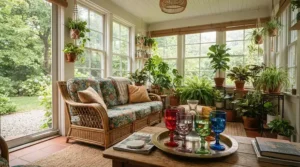
Collectible Glass Patterns Worth Learning
Collectible glass patterns are the vocabulary of this hobby, and a few names come up constantly. Popular Depression-era patterns include American Sweetheart, Cameo, Mayfair and Cherry Blossom. Jeannette Glass made Adam, Doric and Cherry Blossom pieces, while Federal Glass made Sharon.
Collectors often rename patterns informally, since manufacturers used numbers. One Indiana Glass design is known to collectors as Ballerina or Dancing Girl for the figure in its motif.
Here is how to build knowledge without overspending:
- Pick one pattern or one maker. Many collectors specialize, because the volume of material is huge.
- Learn the typical colors for each pattern. A color that was never produced is a red flag.
- Handle before you buy. Weight, seam lines and surface wear tell you more than a photo.
Even if you never buy an antique, studying collectible glass patterns improves your eye. You start to see why the raised almond design on La Rochère Lyonnais Wine Glasses works: it borrows the same pressed-glass tradition, with a story that goes back to the late nineteenth century.
Vintage Style vs. Authentic Vintage Glassware
This is the choice that shapes everything else. Authentic vintage glass has soul and risk. Vintage-style glass has predictability and modern safety claims.
| Factor | Authentic Vintage | Modern Vintage-Style |
|---|---|---|
| Character | Real wear, unique colors | Consistent, sometimes too perfect |
| Safety | Unknown composition, test first | Often labeled lead-free |
| Replacement | Hard, sets rarely complete | Easy, sets restocked |
| Care | Often fragile | Usually dishwasher-tolerant |
| Best For | Libbey Teardrop Juniper Green Goblets for display shelves | JoyJolt Hue Stemless Wine Glasses and La Rochère Lyonnais Wine Glasses for daily use |
The table reflects a simple trade. Authentic pieces such as Libbey Teardrop Juniper Green Goblets win on story and uniqueness. Modern pieces win on safety and consistency. For hosts who actually drink wine, the practical answer is usually a mix: new glasses for serving, vintage for shelves and styling.
Worth noting too: Estelle Colored Wine Stemware sits in the middle, a modern production that is hand-blown, which gives you a handmade feel without the unknowns.
Safety Guide: Lead, Cadmium and Vintage Glass
Beautiful does not mean safe. This is the section most decor blogs skip, and it matters.
Traditional glassware is mostly silica, while crystal adds lead oxide to make the glass easier to work. The Center for Environmental Health notes there are no current federal standards for how much lead can leach from crystal glassware, and the FDA has warned against storing food or drink in leaded crystal. The group also says glassware made before the 1970s likely contains lead at levels considered unsafe today.
Reporting from America’s Test Kitchen adds that lead is cumulative, so occasional use carries less risk than daily use, and that pregnant people and children face greater danger. It also flags other colorants: some green vintage glass is uranium glass, and cadmium can be used for red glass.
Practical checks:
- Feel the weight. Leaded glass tends to feel heavier than similar-sized regular glass.
- Listen to it. A long, ringing tone when tapped suggests lead crystal.
- Use a home test kit if you plan to drink from a vintage piece.
- When in doubt, display it. Keep suspect pieces for decor and serve from modern glassware.
This caution is why new lead-free options like JoyJolt Hue Stemless Wine Glasses and Estelle Colored Wine Stemware exist. You can keep the aesthetic and skip the guesswork.
Practical Usage Guide: Setup, Care and First-30-Day Tips
Buying the glasses is the easy part. Here is how to keep them looking right.
Set-up. Wash new glasses before first use, then dry with a soft cloth. For colored pieces, inspect for chips along the foot.
Weekly care. Hand-wash hand-blown and lacquered pieces with mild detergent. La Rochère’s care guidance suggests a warm-water and white-vinegar rinse to remove water spots, plus soft cloths to avoid scratches. Never move glass from hot to cold quickly.
Storage. Display glasses you love on open shelves, mantels or windowsills, which design coverage recommends for smaller collections. Store them upright, never nested, to protect rims.
First-30-day mistakes to avoid:
- Putting lacquered or hand-blown glass through the dishwasher on a hot cycle.
- Stacking glasses for storage and scratching the bowls.
- Pouring boiling liquid into thin glass.
- Mixing too many colors before you have a plan.
Treat the first month as a trial. If Bormioli Rocco Romantic Stemware or The Pioneer Woman Adeline Footed Goblets survive your routine with no wear, you have your answer about durability.
Real-World Scenarios: Which Glass Fits Which Host?
Three profiles show how the choices play out.
The first-apartment host. Budget is tight, dinner parties are casual, and the dishwasher runs nightly. The best fit is JoyJolt Hue Stemless Wine Glasses, with The Pioneer Woman Adeline Footed Goblets as a stemmed upgrade for the occasional nicer meal. Together they cost less than one boutique set.
The weekend entertainer. Eight guests every other Saturday, floral linens, and a love of cozy tables. La Rochère Lyonnais Wine Glasses handle the volume, and Bormioli Rocco Romantic Stemware adds a pastel accent row. Dishwasher tolerance matters, and both deliver.
The collector-decorator. A hutch full of glass, a taste for the hunt, and no plans to drink from the display pieces. Vintage finds like Libbey Teardrop Juniper Green Goblets fill the shelves, while Estelle Colored Wine Stemware or LSA Gems Colored Stemware handle actual pouring.
Decision shortcut: if you serve often, choose durability; if you display often, choose character; if you do both, buy two sets and let each do its job. 🥂
FAQ
❓ Are vintage style wine glasses safe to drink from?
❓ What colors work best for grandmillennial style wine glasses?
❓ How can I tell depression glass from a reproduction?
❓ Should I mix colored wine glasses or buy a matching set?
❓ How do I wash colored vintage style wine glasses?
Conclusion: Start Small, Style Boldly
Vintage style wine glasses for grandmillennial decor are one of the few decor upgrades that deliver instant personality and still fit a normal budget. The trick is matching the glass to your life. If you drink wine every week, pick durable, dishwasher-friendly options like La Rochère Lyonnais Wine Glasses or JoyJolt Hue Stemless Wine Glasses. If you love pattern and pastel, Bormioli Rocco Romantic Stemware and The Pioneer Woman Adeline Footed Goblets are the easy wins. If you want color families without chaos, LSA Gems Colored Stemware is the tidy answer, and if you want a showpiece, Estelle Colored Wine Stemware is the splurge.
For collectors and hunters, pieces like Libbey Teardrop Juniper Green Goblets show the real thing, but treat them as display until you know what they are made of. Learn a few collectible glass patterns, respect the safety rules, and your table will tell a story rather than follow a trend.
Recommended for You
- Vintage Inspired Wine Glass Set: 7 Stunning Picks For 2026
- Traditional Crystal Stemware For Wedding Gift Registry: 7 Best (2026)
- Traditional Stemware For Formal Dinner Parties: 7 Stunning Picks 2026
Disclaimer: This article contains affiliate links. As an Amazon Associate, I earn from qualifying purchases. If you purchase products through these links, we may earn a small commission at no additional cost to you.
✨ Found this helpful? Share it with your friends! 💬🤗
