
In This Article
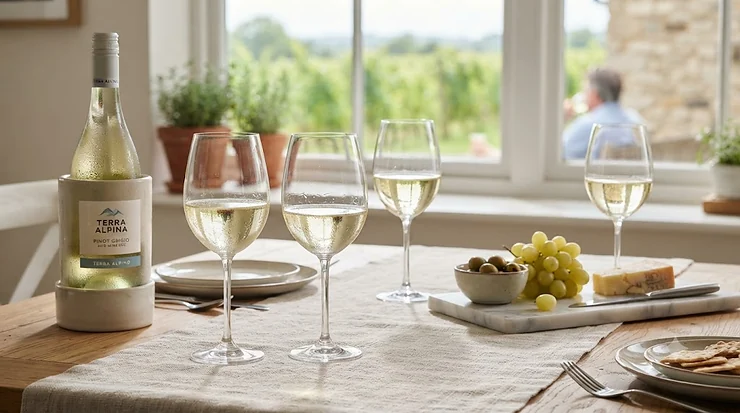
Here’s a confession most wine lovers won’t admit out loud: the glass matters more than the label sometimes gets credit for. Pinot grigio glasses are built with a narrower bowl and a tapered rim specifically to trap the wine’s fleeting citrus and stone-fruit aromas while keeping the pour cold longer — pour the same bottle into a wide-mouthed all-purpose glass and half of that character just evaporates into the room. What is a pinot grigio glass, exactly? It’s a stemmed white wine glass with a smaller, upright bowl (roughly 12-18 ounces) designed to concentrate delicate aromatics and preserve chill, unlike the broader bowls built for oaked reds
This guide exists because “any wine glass will do” is a myth that costs you flavor every single time you pour. We researched real, currently available glasses for pinot grigio — crystal heirlooms, everyday Tritan sets, and budget-friendly bundles — and pulled together honest, spec-grounded analysis rather than recycled marketing copy. According to Wikipedia’s entry on the pinot gris grape variety, pinot grigio is simply the Italian name for the same grape, and the Italian style tends to be harvested for a leaner, crisper profile than its French or German counterparts — exactly the character these narrower glasses were designed to showcase.
Whether you’re stocking a first apartment bar cart or upgrading a dinner-party set, you’ll find real comparisons, real price ranges, and genuinely useful guidance below — no fluff, no invented reviews, just what actually matters when you’re choosing pinot grigio glasses that fit your life and your budget.
Quick Comparison Table
| Glass | Capacity | Material | Best For | Price Range |
|---|---|---|---|---|
| Riedel Vinum Viognier/Chardonnay (Set of 2) | 12.4 oz | Machine-blown crystal | Purists who want varietal-correct shape | $50-$70 |
| Waterford Elegance Pinot Grigio Pair | 17.2 oz | Non-leaded crystal | Gifting and special occasions | $90-$130 |
| Luigi Bormioli Supremo Chianti/Pinot Grigio (Set of 2) | 15.25 oz | SON.hyx crystal, Made in Italy | Authentic Italian aperitivo style | $40-$60 |
| Nambé Vie Pinot Grigio (Set of 2) | 20 oz | Clear glass | Design-forward modern tables | $50-$80 |
| Lenox Tuscany Classics (4-piece set) | 16 oz | Non-lead European crystal | Everyday elegance without fuss | $40-$60 |
| ZWIESEL GLAS Pure Sauvignon Blanc (Set of 6) | 14 oz | Tritan crystal | Durable daily rotation, small households | $60-$90 |
| Libbey Vineyard Reserve (Set of 12) | Assorted (white wine bowl included) | Lead-free glass | Budget stocking and large gatherings | $25-$40 |
Looking at the lineup, the split comes down to occasion, not just price. If you host often and break glasses with some regularity, the Libbey and ZWIESEL sets absorb that risk without draining your wallet, while the Riedel and Waterford options reward the once-a-week sipper who wants the aroma-concentrating bowl shape done exactly right. The Luigi Bormioli and Lenox picks sit in a comfortable middle ground — Italian-made or Italian-inspired shape, moderate price, and enough elegance for a dinner party without needing a special-occasion excuse.
💬 Which style fits your table? Compare the full lineup below and pick the pour that matches how you actually entertain.
💬 Just one click — help others make better buying decisions too!😊
Top 7 Pinot Grigio Glasses: Expert Analysis
Choosing glasses for pinot grigio isn’t just about brand recognition — it’s about bowl shape, rim thickness, and how the glass handles a wine that’s meant to be served cold and consumed quickly. Below are seven real, currently available options spanning budget, mid-range, and premium tiers, each vetted for actual spec relevance to light, delicate white wines.
1. Riedel Vinum Viognier/Chardonnay Glasses — the varietal-correct benchmark
Riedel built this shape specifically as a light-white workhorse, and it shows the moment you pour. Riedel positions this Vinum shape as ideal for dry white wines including Chablis and lighter-style Chardonnay, with a narrow rim that directs wine flow toward the mid-palate, and the brand’s own white wine glass shape guidance recommends it for Pinot Blanc, Grigio, and Gris alongside Viognier and Chenin Blanc. At 12.4 ounces, it’s smaller than some competitors here, which matters more than people assume — a smaller bowl means less surface area for a delicate wine’s aroma to dissipate before it reaches your nose. Based on the spec comparison, this is the glass for someone who’s already invested in “the science of the shape” argument and wants a set built around it rather than a universal glass wearing a pinot grigio label. Reviewers of Riedel’s Vinum line consistently mention the tissue-thin rim as the standout feature, alongside caution that the glass is more fragile than heavier crystal alternatives. The trade-off is real: thinner glass improves the drinking experience but demands gentler handling and hand-washing over time.
Pros:
✅ Purpose-built narrow bowl concentrates delicate white aromatics
✅ Ultra-thin rim improves mouthfeel noticeably versus thick glass
✅ Backed by decades of varietal-specific glass research from Riedel
Cons:
❌ Thinner crystal is more prone to chipping than everyday glassware
❌ Smaller 12.4 oz capacity limits generous pours
Priced around $50-$70 for a set of two, this sits in the mid-range and earns its cost for anyone serious about the aroma difference — casual sippers may not notice enough to justify skipping cheaper options.

2. Waterford Elegance Pinot Grigio Wine Glass, Pair — heirloom crystal for gifting
Waterford’s Elegance line leans into ceremony, and the numbers back that up: each glass stands 8.75 inches tall with a 3.5-inch diameter and a 17.2-ounce capacity, noticeably larger than the Riedel option above. That extra volume means it’s less varietal-purist and more “one elegant glass for several crisp whites” — the brand itself markets it for Pinot Grigio, Sauvignon Blanc, Riesling, and other crisp white wines. What most buyers overlook about this model is that it’s genuinely non-leaded crystal, meaning you get the weight and clarity of traditional crystal without the lead-leaching concerns that come with older leaded stemware. The flared rim and pulled stem are pure presentation — this is a glass built to be photographed at a wedding table, not just used on a Tuesday. If your priority is a gift-worthy set rather than the tightest possible aroma concentration, this earns its premium price tag through craftsmanship and packaging alone.
Pros:
✅ Generous 17.2 oz capacity suits generous, casual pours
✅ Lead-free crystal avoids the leaching concerns of vintage crystal
✅ Arrives in Waterford’s signature gift box, ready for gifting
Cons:
❌ Larger bowl slightly dilutes aroma concentration versus narrower shapes
❌ Premium pricing makes it a poor fit for everyday, high-breakage use
Expect to pay in the $90-$130 range for a pair, positioning this firmly as a special-occasion or gift purchase rather than a daily-use set.
3. Luigi Bormioli Supremo Chianti/Pinot Grigio Wine Glasses — Italian craft, honestly priced
If you’re specifically hunting for an Italian white wine glass with real pedigree, this is the most literal answer on the list — Luigi Bormioli markets this stemglass as recommended for light and well-balanced wines, made in Italy, and produced in a lead-free crystal glass developed with anti-abrasion nanotechnology treatment on the stems. That last detail matters more than it sounds: stem chipping and cracking is one of the most common ways wine glasses die a slow death in a busy kitchen, and reinforced stems genuinely extend a set’s lifespan. At 15.25 ounces, it splits the difference between the Riedel’s tight bowl and the Waterford’s generous one — a practical middle ground for households that pour both pinot grigio and lighter reds like Chianti from the same set. Reviewers of the Supremo line frequently highlight the glass’s surprising lightness for its size, a byproduct of Bormioli’s machine-blown SON.hyx crystal process. What the spec sheet won’t tell you, but craftsmanship-focused buyers note, is that the dual Chianti/Pinot Grigio branding actually makes this a smart one-glass household solution rather than a limitation.
Pros:
✅ Genuine Italian craftsmanship at a below-luxury price point
✅ Reinforced stem technology reduces a common failure point
✅ Dual-purpose shape works for light reds and crisp whites alike
Cons:
❌ Less varietal-specific than dedicated white-only glass shapes
❌ Limited to two glasses per set, requiring multiple purchases for larger tables
Typically priced in the $40-$60 range for a pair, it’s one of the strongest value-to-craftsmanship ratios in this entire lineup.
4. Nambé Vie Pinot Grigio Wine Glasses — the design-forward pick
Nambé’s Vie collection takes a different approach entirely: the slender design coupled with a narrow opening preserves chill and holds the delicate aroma of light, crisp white wine, with an oversized body and flat foot, and notably, when filled, the wine dips slightly into the glass’s stem — a signature visual quirk of the Vie line’s engineering. Designed by Neil Cohen, this is the glass for someone who wants their bar cart to look like it belongs in a design magazine, not just hold wine competently. At a substantial 20 ounces and 10 inches tall, it’s the largest-capacity glass on this list, which practically means fewer refills during a long dinner but also a heavier presence on a crowded table. Here’s what to weigh: the stem-dip design is genuinely clever for chill retention (your hand never has to touch the bowl), but it also makes the glass more top-heavy and less forgiving if bumped. Based on the spec comparison, this is a strong pick for entertainers who care about tablescape aesthetics as much as the wine itself.
Pros:
✅ Oversized 20 oz bowl reduces mid-meal refill interruptions
✅ Stem-dip design keeps hands off the bowl, preserving chill longer
✅ Distinctive, designer-credited silhouette elevates table presentation
Cons:
❌ Top-heavy profile is more prone to tipping on uneven tables
❌ Large capacity encourages overpouring past the ideal fill line
Priced around $50-$80 for a set of two, it lands in the same tier as Riedel but trades varietal precision for visual drama.
5. Lenox Tuscany Classics Pinot Grigio Glass Set — everyday elegance, no fuss
Lenox built the Tuscany Classics collection around a simple premise: dishwasher-safe practicality without looking like it. Crafted of durable, elegant non-lead European crystal, the set is ideally suited for enjoying a crisp glass of pinot grigio, with rounded, smooth rims and a nice weight, and each glass stands 9 inches tall with a 16-ounce capacity. Reviewers of the broader Tuscany Classics range consistently mention the pleasant in-hand weight and lip feel as standout qualities, with the glass’s sturdiness noted as a practical strength for regular use. Unlike the Riedel and Waterford picks above, this set is explicitly marketed as break-resistant and dishwasher-safe — a meaningful distinction for anyone who’s tired of hand-washing crystal after every dinner party. What most buyers overlook is that a 4-piece set (rather than the standard pair) means you’re covered for a small dinner party without needing a second purchase. On paper, this is the glass for someone who wants “nice” without committing to “precious.”
Pros:
✅ Dishwasher-safe crystal removes the hand-wash-only hassle
✅ Comes as a 4-piece set, better suited to small gatherings
✅ Break-resistant construction built for regular rotation
Cons:
❌ Less varietal-tuned bowl shape than Riedel or Bormioli options
❌ 9-inch height may feel tall for shallower cabinet storage
At around $40-$60 for the set of four, the per-glass value is genuinely strong for anyone prioritizing durability over connoisseur-grade shape science.

6. ZWIESEL GLAS Pure Sauvignon Blanc White Wine Glass, Set of 6 — the durable daily-rotation set
German engineering shows up here in the form of Tritan crystal, a material built specifically to survive dishwashers and daily handling better than standard crystal. Though labeled for Sauvignon Blanc, this shape is squarely in the same “light, aromatic white” category as pinot grigio glasses, and the brand’s Pure collection is dishwasher-safe Tritan crystal glassware made in Germany. Reviewers of the Zwiesel Pure and Congresso lines consistently highlight everyday practicality — the sort of glass restaurants and hotels choose precisely because it holds up to volume use, since Schott Zwiesel’s own materials note the Congresso collection is great for everyday use and versatile enough for busy hotels and restaurants. The real value here is durability math: a set of six gives a household enough glasses to survive breakage attrition for years without needing to match odd replacements. Here’s what to weigh — the Tritan shape is slightly more generic than the varietal-specific Riedel or Bormioli bowls, trading some aroma precision for meaningfully better break-resistance.
Pros:
✅ Tritan crystal significantly outlasts standard glass in daily use
✅ Set of six covers larger households without mismatched replacements
✅ German manufacturing with a strong reputation in hospitality settings
Cons:
❌ Slightly more generic bowl shape than dedicated pinot grigio glasses
❌ 14 oz capacity is moderate, not generous, for bigger pours
Expect to pay in the $60-$90 range for the full set of six, which works out to real value per glass for a durability-focused household.
7. Libbey Vineyard Reserve Wine Glass Set of 12 — the everyday affordable wine glass
For anyone who just typed “everyday affordable wine glass” into a search bar, this is the realistic answer. Libbey’s Vineyard Reserve line bundles both red and white wine bowl shapes into a single set of twelve, giving new households or frequent hosts a complete glassware foundation without a specialty price tag. The lead-free glass construction is standard rather than crystal, which is precisely why the price stays so low — you’re trading some clarity and ring-tone brilliance for genuine everyday practicality. What the spec sheet won’t tell you, but budget-conscious buyers consistently note in reviews of Libbey’s stemware lines, is that the glass handles regular dishwasher cycles well and rarely shows the cloudiness that cheaper glassware sometimes develops over time. This is the glass for a first apartment, a backyard party where breakage is a real risk, or simply anyone who’d rather spend their wine budget on the bottle than the vessel.
Pros:
✅ Twelve-piece set covers both red and white shapes in one purchase
✅ Lowest per-glass cost of any option in this roundup
✅ Practical for parties and high-breakage-risk environments
Cons:
❌ Standard glass lacks the clarity and ring of true crystal
❌ Less varietal-specific shape than dedicated pinot grigio bowls
Typically priced around $25-$40 for the full dozen, this is the clear value leader for anyone stocking a bar from scratch.
Practical Usage Guide: Setup, Care, and First 30 Days
New glasses deserve a proper first wash before their debut — even factory-sealed crystal can carry a faint packaging residue that dulls a wine’s aroma on the first pour. Hand-wash with a drop of unscented dish soap, rinse thoroughly, and air-dry upside down on a rack rather than a towel, which can leave lint on the rim. For the first month, resist the dishwasher on any true crystal glass (Riedel, Waterford, Luigi Bormioli, Lenox) even if labeled dishwasher-safe; the top rack’s heat and water pressure are gentler once the glass has settled, but a hand-wash routine early on reduces the risk of hairline stress cracks. Tritan and standard glass sets (ZWIESEL, Libbey) tolerate the dishwasher from day one with far less worry. Store stemmed glasses upright, never resting on their delicate rims, and leave an inch of breathing room between glasses to prevent chip-inducing contact. A common first-30-days mistake is over-pouring — fill pinot grigio glasses to roughly a third of capacity, not halfway, since the extra headspace is what actually traps and concentrates the aroma you’re paying for.
Real-World Scenarios: Which Glass Fits Your Life
Picture three different wine drinkers. First, a graduate student in a 400-square-foot apartment who hosts one small get-together a month on a tight budget — the Libbey Vineyard Reserve set of 12 solves both the storage-space math and the breakage-risk problem in one purchase, leaving room in the budget for better wine. Second, a couple in their thirties who cook elaborate dinners twice a week and want their everyday glass to actually taste better without babying crystal — the ZWIESEL GLAS Pure set threads that needle, durable enough for the dishwasher, refined enough not to embarrass the meal. Third, someone shopping for a wedding or housewarming gift with a real budget to spend — the Waterford Elegance pair or the Nambé Vie set both deliver the “unwrap and gasp” moment a gift needs, backed by packaging built for the occasion. Matching the glass to the actual pattern of use, not an aspirational one, is the single biggest lever in getting real value from this purchase.
Problem → Solution: Fixing Common Pinot Grigio Glass Frustrations
Problem: Wine warms up too fast at the table. Solution: choose a narrower-bowl glass like the Riedel Vinum or Luigi Bormioli Supremo, and hold the stem rather than the bowl — body heat transferring through a wide bowl is a bigger culprit than most people realize.
Problem: Glasses keep breaking during parties. Solution: switch your entertaining set to Tritan (ZWIESEL) or standard lead-free glass (Libbey), and reserve true crystal for smaller, calmer gatherings.
Problem: Cabinet space is too tight for multiple wine glass shapes. Solution: a mid-capacity, moderately varietal-tuned glass like the Lenox Tuscany Classics or Luigi Bormioli Supremo can pull double duty across light whites and lighter reds.
Problem: Cloudy residue after repeated dishwasher cycles. Solution: this is usually hard-water mineral buildup, not a glass defect — a rinse-aid setting and occasional white-vinegar soak resolves it on most glass and Tritan sets.
Problem: A gift needs to feel special without a huge budget. Solution: the Lenox Tuscany Classics 4-piece set or Luigi Bormioli Supremo pair both deliver a boxed, giftable presentation well under $60.
How to Choose Pinot Grigio Glasses
- Start with bowl width, not brand. A narrower bowl is genuinely the best glass for light white wine because it slows aroma dispersal — this matters more than crystal versus glass, especially given how Pinot Grigio’s flavor profile leans on delicate citrus, green apple, and floral notes that fade quickly in an open bowl.
- Match capacity to your pour style. Pinot grigio glass size typically ranges from 12 to 20 ounces; smaller sizes (12-15 oz) suit purist, aroma-focused sipping, while larger sizes (16-20 oz) suit generous, casual pours.
- Decide your material honestly. Crystal offers clarity and a lighter rim feel; Tritan and standard glass trade a little of that for real durability.
- Check dishwasher compatibility against your actual habits, not the label alone — even “dishwasher-safe” crystal benefits from gentler handling long-term.
- Buy in sets that match your entertaining size, not just a pair, if you regularly host more than two guests.
- Consider stem reinforcement if you have a busy kitchen — nanotechnology-treated stems (like Luigi Bormioli’s) measurably reduce breakage at the weakest point.
- Set a realistic budget band first, then shop within it — the difference between a $30 set and a $120 pair is real, but it’s not always worth it for how you actually drink wine.
Pinot Grigio Glasses vs. All-Purpose Wine Glasses
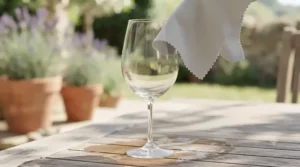
An all-purpose wine glass is built as a compromise — wide enough to aerate a red, tall enough to look formal, but not tuned to either job particularly well. Pinot grigio glasses, by contrast, sacrifice that versatility for a specific outcome: a narrower bowl and tighter rim that concentrate delicate citrus and floral aromatics rather than letting them scatter across a wide surface. In practice, this means a $15 all-purpose glass and a $30 dedicated pinot grigio glass can hold the exact same wine and produce a noticeably different first impression on the nose, even though the liquid itself hasn’t changed. The trade-off runs the other way too — an all-purpose glass genuinely is the better choice for a household that only owns one glass shape and drinks everything from cabernet to prosecco out of it, since dedicating cabinet space to single-varietal glassware only pays off once you’re pouring that varietal regularly. For anyone drinking pinot grigio or other light whites more than occasionally, though, the dedicated shape earns its keep quickly.
What to Expect: Real-World Performance
Specs on paper only tell half the story, so here’s what actually changes when you switch glasses. Chill retention is the most immediate difference — narrower-bowl glasses like the Riedel Vinum keep a pour noticeably colder for longer because there’s simply less surface area exposed to room-temperature air, while the larger Waterford and Nambé bowls will warm up faster in a warm dining room. Aroma is the second big shift: pour the same bottle side-by-side into a wide all-purpose glass and a narrow pinot grigio glass, and the narrow glass will consistently deliver a sharper, more immediate nose of citrus and green apple, since less of that volatile aroma escapes before it reaches you. Weight and balance matter more day-to-day than most buyers expect going in — a heavier crystal stem like Waterford’s feels more secure in hand but tires the wrist faster over a long dinner, while lighter Riedel or Tritan glasses feel almost weightless but require a firmer, more deliberate grip.
Long-Term Cost & Maintenance
Total cost of ownership rarely stops at the sticker price. A $100 pair of true crystal glasses that survives five years of careful hand-washing works out to roughly $10 a year per glass — genuinely reasonable for daily enjoyment. But factor in realistic breakage: crystal stemware chips and cracks more often than Tritan or standard glass, and each replacement resets that math. A $70 set of six Tritan glasses that lasts a decade under dishwasher abuse, by contrast, can end up cheaper per year of use despite the lower up-front price tag looking similar. The most cost-effective approach for most households is a hybrid one: a budget or Tritan set (Libbey or ZWIESEL) for daily rotation and parties, paired with a smaller crystal set (Riedel or Luigi Bormioli) reserved for quieter, special-occasion pours where breakage risk is lower and the aroma benefit is more likely to be appreciated.
Safety, Regulations & Lead-Crystal Compliance Guide
Lead crystal has a real, well-documented safety consideration worth understanding before you buy vintage or antique stemware. The FDA has published guidance on lead safety in glassware and ceramicware intended for use with food, noting that lead and cadmium aren’t permitted in glassware manufacturing if reasonably expected to become a component of food. The practical guidance from health experts is reassuring for occasional use: using lead crystal for a single glass of wine at a sitting isn’t going to deliver a significant amount of lead, though the recommended practice is to avoid daily use and never store liquids in lead crystal for extended periods. The good news for shoppers today is that most modern glasses marketed for wine — including every option in this roundup — are explicitly non-leaded or lead-free crystal, sidestepping the issue entirely. If you’re buying vintage stemware secondhand, that’s where the caution matters most; new production from reputable brands like Riedel, Waterford, Luigi Bormioli, and Lenox is manufactured to current lead-free standards.
Price Range & Value Analysis
| Tier | Price Range | Best Pick | Value Verdict |
|---|---|---|---|
| Budget | $25-$40 | Libbey Vineyard Reserve (12-pc) | Best cost-per-glass for stocking a first bar |
| Mid-Range | $40-$60 | Luigi Bormioli Supremo / Lenox Tuscany | Strongest craftsmanship-to-price ratio |
| Premium | $60-$130 | Riedel Vinum / Waterford Elegance | Best aroma precision and gifting appeal |
The clearest pattern here is that value doesn’t scale evenly with price — the jump from budget to mid-range buys real craftsmanship gains (reinforced stems, better rim thinness), while the jump from mid-range to premium mostly buys aroma-precision refinements and prestige packaging rather than dramatically better durability. Buyers on a tight budget genuinely aren’t sacrificing much functional performance by staying in the $25-$60 range; the premium tier is best reserved for gifting occasions or committed collectors who’ll notice the difference.
✨ Ready to Upgrade Your Pour Tonight?
🔍 Take your next glass of pinot grigio from ordinary to genuinely aromatic with a set built for the job. Click on any highlighted option above to check current pricing and availability, and pour the crisp, refreshing white wine your table deserves.
Frequently Asked Questions
❓ What is the ideal pinot grigio glass size?
❓ Can I use a regular wine glass for pinot grigio?
❓ Are Italian white wine glasses different from other white wine glasses?
❓ Is crystal or regular glass better for pinot grigio?
❓ How many pinot grigio glasses should I own?
Conclusion
The right pinot grigio glasses aren’t about chasing a prestigious label — they’re about matching bowl shape, capacity, and material to how you actually drink and entertain. If you’re stocking a first home bar or hosting parties where breakage is inevitable, the Libbey Vineyard Reserve set delivers real value without pretense. If you’re somewhere in the middle, wanting genuine craftsmanship without a luxury price tag, the Luigi Bormioli Supremo and Lenox Tuscany Classics both earn their spot on a dinner table. And if you’re buying a gift or you’re a committed enthusiast chasing the last bit of aroma precision, the Riedel Vinum and Waterford Elegance options justify their premium pricing through shape science and craftsmanship alike. Whatever you choose, the upgrade from a generic all-purpose glass to a dedicated pinot grigio glass is one of the cheapest, most immediate improvements you can make to how a bottle actually tastes at your table.
✨ Don’t Miss These Exclusive Deals!
🔍 Take your next dinner party to the next level with these carefully selected glasses. Click on any highlighted item above to check current pricing and availability — the right glass makes every crisp, refreshing pour taste just a little bit better.
Recommended for You
- 7 Best Riesling Wine Glasses in 2026: Tested & Ranked
- Sauvignon Blanc Glasses: 7 Best Picks for 2026
- Best Chardonnay Glasses 2026: 7 Top Picks
Disclaimer: This article contains affiliate links. As an Amazon Associate, I earn from qualifying purchases. If you purchase products through these links, we may earn a small commission at no additional cost to you.
✨ Found this helpful? Share it with your friends! 💬🤗
